
- 1-Understanding Dog Surgery Recovery
- 2-Steps for Post-Surgery Care
- 3-Maintaining Comfort and Rest for Your Dog
- 4-Recognizing Complications and Concerns
- 5-Recovery Supplies and Tools to Help Your Dog Heal
- 6-Real-Life Experience: Supporting Dogs Post-Surgery
- 7-When to Contact a Vet During Recovery
1. Understanding Dog Surgery Recovery
When a dog undergoes surgery, the recovery process can be as challenging for pet owners as it is for the dog. The journey to full recovery involves careful attention to their needs, comfort, and overall health. Understanding the different stages of recovery and how to approach them can make a significant difference in how well your dog heals. Post-surgery care is crucial in preventing complications and ensuring the healing process proceeds smoothly. Whether your dog has undergone an elective procedure or emergency surgery, your involvement in their recovery is vital.
2. Steps for Post-Surgery Care
Each dog’s surgery is unique, but there are essential steps every pet owner should take to care for their dog post-surgery. These steps help prevent infection, ensure proper healing, and keep your dog comfortable during their recovery.
2.1 Follow Veterinarian Instructions
Your veterinarian will provide specific instructions about post-surgery care, which may include administering medications, dietary changes, and restrictions on activity levels. Following these instructions is essential for the success of the surgery and the overall well-being of your dog.
2.2 Monitor Wound Site
After surgery, you’ll need to keep a close eye on your dog’s wound site. Ensure that the area is kept clean and dry. If you notice signs of redness, swelling, or discharge, contact your vet immediately as these could be signs of an infection.
2.3 Provide Pain Relief
Pain management is a crucial part of your dog’s recovery. Your veterinarian will likely prescribe pain medications to help keep your dog comfortable. It’s important to give these medications as instructed to avoid unnecessary discomfort.
3. Maintaining Comfort and Rest for Your Dog
Rest is one of the most important components of recovery. Here’s how you can make your dog’s environment more comfortable and conducive to healing:
3.1 Create a Quiet and Safe Space
Limit your dog’s movement by creating a quiet and comfortable space where they can rest. Use soft bedding and keep the area free from distractions, such as loud noises or other pets, to help them relax and heal.
3.2 Keep Activity to a Minimum
Although it’s tempting to allow your dog to return to their usual routine, it’s important to keep their activity level low. Follow your vet’s guidelines on exercise, which often includes limiting walks or outdoor play for a set period of time.
4. Recognizing Complications and Concerns
During your dog’s recovery, it’s essential to stay alert for any signs of complications that might require medical attention.
4.1 Watch for Infection
Infections are one of the most common complications post-surgery. If you notice your dog’s wound becoming swollen, inflamed, or leaking pus, these are signs of infection that require immediate veterinary care.
4.2 Difficulty in Eating or Drinking
If your dog is refusing to eat or drink after surgery, it could indicate pain or an issue with the recovery process. Consult your vet to rule out any complications.
5. Recovery Supplies and Tools to Help Your Dog Heal
There are various supplies that can help your dog during the recovery process, ranging from medical aids to comfort-enhancing tools. These supplies ensure your dog’s recovery is as smooth as possible.
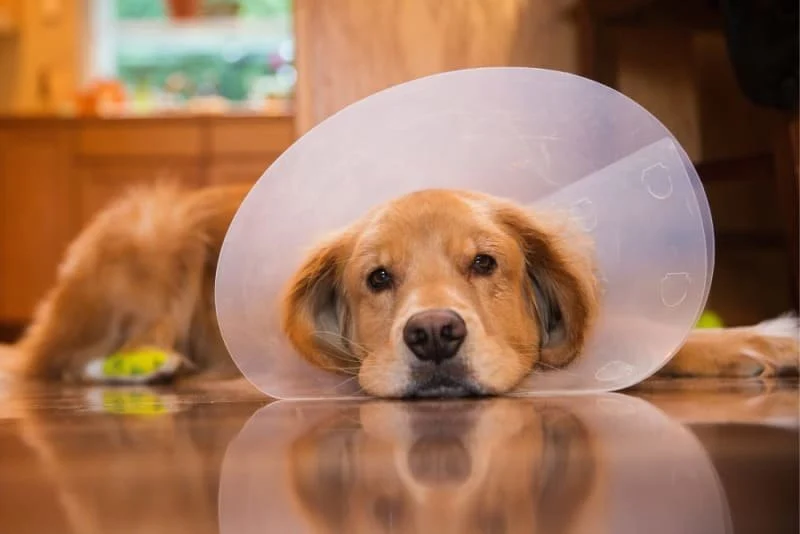
5.1 E-Collars or Recovery Suits
An e-collar or recovery suit can prevent your dog from licking or chewing at their wound, which is essential for preventing infections or delayed healing. Choose a comfortable and appropriately sized collar or suit.
5.2 Orthopedic Beds
If your dog has had surgery that affects their joints or bones, investing in an orthopedic bed can help alleviate pressure and provide the extra support needed for healing.
6. Real-Life Experience: Supporting Dogs Post-Surgery
One pet owner, Sarah, shared her experience with her dog, Max, who had knee surgery. Sarah made sure to follow her vet’s advice by limiting Max’s movement and ensuring he was comfortable with a soft orthopedic bed. She also found that providing Max with enrichment activities, like puzzle toys, helped him stay mentally engaged without putting strain on his healing leg.
7. When to Contact a Vet During Recovery
It’s important to know when to contact your veterinarian during your dog’s recovery. If your dog is showing signs of severe pain, is refusing food or water for extended periods, or if you observe any unusual behavior, don’t hesitate to call your vet. Timely intervention can prevent more serious issues from arising and ensure a smoother recovery process.



 Fairview Animal Hospital4.0 (274 reviews)
 Chaparral Animal Health Center4.0 (64 reviews)
 Ladera Pet Clinic4.0 (152 reviews)
 Countryside Veterinary Clinic4.0 (261 reviews)
 Millbrook Equine Veterinary Clinic, PC5.0 (22 reviews)
 Chuck & Don's Pet Food & Supplies4.0 (258 reviews)
 How to Spot and Treat Common Digestive Problems in Pets
 How to Provide Care for Your Pet with Diabetes
 How to Recognize and Treat Pet Coughing and Respiratory Issues
 What Every Pet Owner Should Know About Veterinary Advice
 Tips for Detecting Early Signs of Cancer in Cats
 Safe and Effective Diet Plans for Overweight Dogs Recommended by Veterinarians | Brothers Pets