

How to Care for a Pet with Special Medical Needs
Caring for a pet with special medical needs can be both rewarding and challenging. Whether your pet requires ongoing medication, a special diet, or additional medical procedures, ensuring their well-being often requires more than basic pet care. It takes patience, knowledge, and sometimes a bit of extra effort to provide the necessary care. In this guide, we will discuss essential tips on how to care for a pet with special medical needs and help you navigate the complexities involved in their care.
- 1. Understanding Special Medical Needs in Pets
- 2. Common Medical Conditions in Pets
- 3. Creating a Care Plan for Your Pet
- 4. Providing Nutrition and Medications
- 5. Supporting Your Pet’s Mental and Physical Wellbeing
- 6. Consulting with a Veterinarian
1. Understanding Special Medical Needs in Pets
Special medical needs in pets can encompass a wide range of conditions, from chronic illnesses and disabilities to recovery from surgeries or acute conditions. These pets require more than just regular food, water, and exercise. They may need specialized treatments, frequent vet visits, and careful monitoring. Understanding the nature of your pet’s medical condition is the first step in being a responsible and compassionate pet owner.
1.1 What Constitutes Special Medical Needs?
Special medical needs typically include conditions that require ongoing treatment or that impact your pet’s quality of life. These can range from illnesses like diabetes, heart disease, and arthritis to more specific conditions such as blindness, deafness, or mobility issues. Some pets may require special accommodations, such as custom orthopedic bedding or ramps to assist with movement.
1.2 The Emotional Aspect of Special Medical Needs
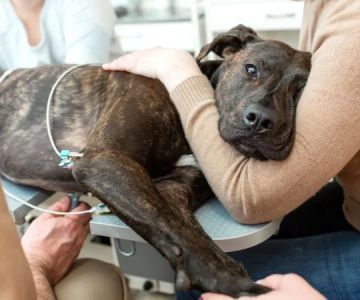
Pets with special medical needs may also experience emotional stress. They might be more anxious or less active, especially if they're in pain. It’s important to provide emotional support in addition to physical care, ensuring your pet feels loved and secure.
2. Common Medical Conditions in Pets
There are many different medical conditions that can affect pets, some of which are more common in older pets or certain breeds. Let’s explore a few of the most common conditions that require special care:
2.1 Diabetes
Diabetes is a chronic condition that affects pets’ ability to regulate their blood sugar levels. It can be managed with insulin injections, but pet owners need to be diligent about administering the medication and monitoring the pet’s diet and exercise levels.
2.2 Arthritis
Arthritis is a common condition in older pets that causes pain and stiffness in the joints. While it can’t be cured, it can be managed with pain relief medications, joint supplements, and lifestyle adjustments like reduced activity levels or ramps for easier mobility.
2.3 Heart Disease
Heart disease in pets requires careful management, often involving medications to regulate heart function and a low-sodium diet. Regular vet checkups are essential for monitoring the condition and adjusting treatments as necessary.
3. Creating a Care Plan for Your Pet
Once you understand your pet's specific medical needs, creating a care plan is crucial. This plan will guide you in providing the proper care and ensure you stay on top of your pet's health requirements. Here are some key steps in creating a care plan:
3.1 Set Up a Daily Care Routine
Daily routines are especially important for pets with special medical needs. A consistent schedule for meals, medications, and exercise can help manage your pet’s condition. Be sure to keep track of any symptoms or changes in behavior and discuss them with your veterinarian.
3.2 Organize Medication Schedules
For pets that require medication, keeping track of dosages and timings is essential. You may find it helpful to use a medication chart or reminder system, especially if your pet needs medication multiple times a day.
3.3 Provide Adequate Space
Pets with mobility issues may need accommodations such as ramps or orthopedic beds to make them more comfortable. Consider modifying your home to create safe and accessible spaces for your pet to move around with ease.
4. Providing Nutrition and Medications
Good nutrition is crucial to the health and well-being of any pet, but for pets with medical needs, it becomes even more important. Specialized diets may be required to help manage specific conditions. Here’s how you can ensure your pet receives the best care:
4.1 Consult with a Veterinarian About Diet
For pets with special medical needs, your veterinarian may recommend a specific diet to help manage their condition. Whether it’s a low-sodium diet for heart disease, a high-fiber diet for diabetes, or a hypoallergenic diet for sensitive stomachs, follow your vet’s advice and avoid feeding table scraps or human food unless approved.
4.2 Administering Medications
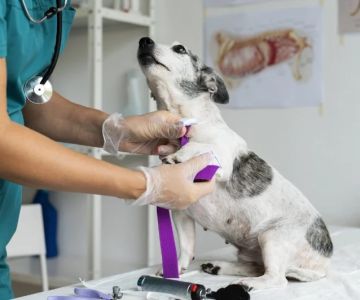
Pets with special medical needs often need medications to manage their conditions. Administering medication can be challenging, but with patience and practice, it becomes easier. Many pets will take pills with food, but if your pet is resistant, talk to your vet about other options like liquid medications or chewable tablets.
4.3 Regular Monitoring
Regular monitoring of your pet's health is essential to track progress and catch any complications early. This may include checking blood sugar levels, monitoring weight, and tracking signs of pain or discomfort. Your veterinarian will guide you on what to monitor and how often.
5. Supporting Your Pet’s Mental and Physical Wellbeing
In addition to physical health, it’s important to support your pet’s mental wellbeing. A pet with special medical needs may feel isolated or anxious, so providing enrichment and mental stimulation can improve their quality of life.
5.1 Provide Mental Stimulation
Interactive toys, puzzle feeders, and training exercises can help keep your pet’s mind sharp and reduce anxiety. Even simple games like hide-and-seek or gentle play can help maintain mental health.
5.2 Ensure Regular Social Interaction
Pets with medical needs still crave companionship. Spend quality time with your pet every day, whether it’s through cuddling, playing, or simply sitting together. Positive social interactions can reduce stress and provide comfort.
5.3 Adjust Exercise Levels
While some pets may require limited physical activity due to their medical condition, others may benefit from gentle exercise. Be sure to adjust your pet’s exercise routine based on their health and any advice provided by your vet.
6. Consulting with a Veterinarian
Regular vet visits are essential for any pet, but they are especially important for those with special medical needs. Your vet will help guide your care plan, monitor your pet’s progress, and adjust treatments as necessary. It’s important to stay proactive and keep open lines of communication with your veterinarian to ensure your pet’s ongoing health.
If you’re looking for high-quality products for your pet’s care, from special diets to mobility aids and medications, be sure to visit Brothers Pets for trusted recommendations and products designed to meet your pet’s unique needs.




 Coral Logic Aquarium LLC4.0 (250 reviews)
 Chuck & Don's Pet Food & Supplies4.0 (528 reviews)
 Hudson Veterinary Clinic4.0 (209 reviews)
 Rochester Veterinary Hospital4.0 (423 reviews)
 Allisonville Animal Hospital4.0 (178 reviews)
 Wild Bird Seed Trading Company4.0 (41 reviews)
 How to Choose the Right Dog Breeder for a Healthy Pet
 How to Keep Your Pet’s Teeth Clean and Healthy Between Vet Visits | Brothers Pets
 Beginner's Guide to Pet Behavior: Understanding Your Furry Friend
 How to Safely Trim Your Dog’s Nails at Home: A Step-by-Step Guide
 How to Care for Your Pet's Eyes and Ears
 How to Recognize and Treat Joint Pain in Older Pets: A Complete Guide