
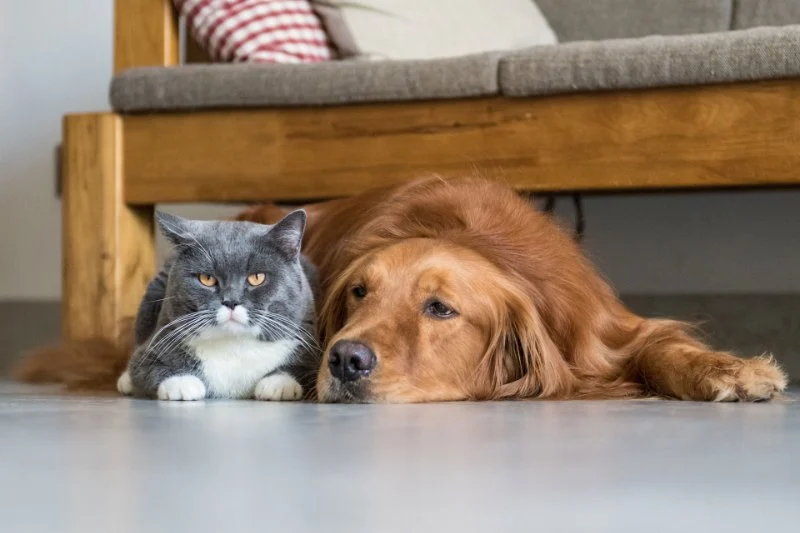
How to Manage Your Pet's Stress and Anxiety Levels
- - Understanding Pet Stress and Anxiety
- - Signs That Your Pet May Be Stressed or Anxious
- - Practical Solutions to Manage Pet Stress
- - The Role of Environment in Reducing Pet Anxiety
- - How Brothers Pets Can Help with Stress-Free Pet Care
1. Understanding Pet Stress and Anxiety
Just like humans, pets can experience stress and anxiety. These emotional responses can be triggered by various factors such as changes in their routine, new environments, separation from their owners, or even loud noises like thunderstorms and fireworks. Managing your pet’s stress is important for their well-being, as prolonged anxiety can lead to physical and behavioral problems.
Stress in pets can manifest in many forms, including destructive behavior, excessive barking, excessive grooming, or even changes in appetite. As responsible pet owners, it’s crucial to understand the underlying causes of your pet’s anxiety and find effective ways to help them feel more secure and relaxed. Whether you have a dog, cat, or other pets, managing stress is a critical part of their overall health.
2. Signs That Your Pet May Be Stressed or Anxious
Recognizing when your pet is stressed or anxious is the first step toward helping them feel better. Pets can’t express their feelings in words, but there are clear signs to look for. These can include:
2.1. Behavioral Changes
Pets under stress may show changes in behavior, such as increased irritability, barking, or meowing more than usual. They may also exhibit destructive behavior, such as chewing on furniture or scratching excessively. In cats, hiding or refusing to interact with family members can be a sign of anxiety.
2.2. Physical Symptoms
Physical signs of stress can include changes in eating or sleeping patterns, weight loss, or excessive drooling. Some pets may also develop gastrointestinal issues like diarrhea or vomiting due to stress.
2.3. Changes in Grooming Habits
Pets may lick, bite, or groom themselves excessively when stressed. In cats, over-grooming can lead to bald patches, while dogs may chew on their paws or body. If your pet’s grooming habits seem out of the ordinary, it could be an indication of anxiety.
3. Practical Solutions to Manage Pet Stress
There are several effective strategies you can use to help manage your pet’s stress and anxiety. By providing a safe, calming environment and using various techniques, you can help your pet feel more secure and relaxed.
3.1. Regular Exercise and Mental Stimulation
One of the most effective ways to manage stress in pets is by providing them with regular exercise and mental stimulation. A tired pet is a happy pet! For dogs, daily walks, runs, or playtime in the yard can help burn off excess energy and reduce stress. Puzzle toys, treat-dispensing toys, and interactive games can help engage your pet’s mind, preventing boredom and anxiety.
3.2. Create a Calming Environment
Creating a calm environment is essential for reducing pet anxiety. Set up a quiet space where your pet can retreat when they need a break. This space should be free of loud noises, clutter, or distractions. For cats, providing a hiding place or a cozy perch can offer them comfort during stressful times. You can also use calming products such as pheromone diffusers or sprays, which mimic the natural calming scents that pets release to soothe themselves.
3.3. Consistent Routine
Pets thrive on routine. A consistent schedule for feeding, playtime, walks, and bedtime helps your pet feel secure. Sudden changes in routine can be stressful for pets, especially if they’re already prone to anxiety. Try to keep changes minimal and give your pet plenty of time to adjust if necessary.
3.4. Training and Socialization
Training and socialization can help reduce anxiety in pets by increasing their confidence. For dogs, teaching basic commands and using positive reinforcement can create a sense of security. Socializing your pet with new environments, people, and other animals in a controlled manner can also help them adjust to various situations with less stress.
3.5. Calming Products
There are several calming products available that can help reduce anxiety in pets. These include anxiety vests, calming collars, and natural supplements. For example, some products contain ingredients like valerian root or chamomile, which have soothing effects on pets. In more severe cases, your veterinarian may recommend medication to help manage your pet’s anxiety.
4. The Role of Environment in Reducing Pet Anxiety
Creating a stress-free environment plays a significant role in managing your pet’s anxiety. Here are a few ways the environment can influence your pet’s stress levels:
4.1. Safe Spaces
Pets need a space where they can feel safe and secure. This could be a crate, a specific room, or even a cozy blanket in a quiet corner. Having a dedicated space allows your pet to retreat when they’re feeling anxious or overwhelmed.
4.2. Minimizing Loud Noises
Loud noises such as fireworks, thunderstorms, or loud music can trigger anxiety in pets. Consider using noise-canceling solutions like calming music, white noise machines, or even special anxiety-reducing ear muffs for pets. If possible, try to keep your pet inside during noisy events or provide them with a safe room away from the sounds.
4.3. Maintaining a Calm Demeanor
Your own behavior can also influence your pet’s stress levels. Pets are highly attuned to their owners' emotions, so staying calm during stressful situations can help your pet feel more at ease. Avoid reinforcing anxious behavior by comforting your pet excessively during moments of stress. Instead, provide reassurance calmly and gently.
5. How Brothers Pets Can Help with Stress-Free Pet Care
At Brothers Pets, we understand how important it is to keep your pet calm and stress-free. We offer a variety of products designed to help manage your pet’s anxiety, from calming supplements to anxiety vests and calming pheromone diffusers. Whether you’re looking for effective ways to relax your pet during storms or just want to create a calming environment at home, Brothers Pets has everything you need to ensure your pet feels safe and secure.
Visit Brothers Pets today for expert advice and high-quality products that will help manage your pet’s stress and anxiety!





 Lake Hickory Veterinary Hospital4.0 (412 reviews)
 Cuties Ragdoll Cat Cattery4.0 (4 reviews)
 Green Meadows Veterinary Services4.0 (146 reviews)
 Tomlinson's Feed4.0 (190 reviews)
 Hometown Veterinary Clinic5.0 (114 reviews)
 InstaVet3.0 (46 reviews)
 How to Make Your Home Safe for Curious Cats: Tips and Tricks
 Top 9 Tips for Pet Training That Actually Work
 Tips for Safe Hiking and Outdoor Activities with Dogs – Expert Advice for Adventurous Pet Owners
 Best Supplements to Support Healthy Aging in Cats: Keep Your Senior Cat Active
 Understanding Pet Dental Health: Why Oral Care Matters
 Is Your Seasonal Pet Care on Track? | Year-Round Wellness Tips for Pets