
- Why Cat Safety Is Important
- Identifying Risks in Your Home
- Creating a Cat-Friendly Space
- Practical Cat Proofing Tips
- Real-Life Examples of Cat Safety
Why Cat Safety Is Important
As a cat owner, one of your primary responsibilities is ensuring that your home is a safe and secure environment for your feline friend. Cats, especially curious ones, are naturally inquisitive and love to explore their surroundings. However, this curiosity can sometimes lead to dangerous situations if their environment isn’t properly secured. In this article, we will discuss simple yet effective ways to make your home safe for curious cats, from identifying risks to creating safe spaces for them to roam.
1. The Curious Nature of Cats
Cats are known for their playful and curious behavior. Whether they are knocking things off shelves, squeezing into tight spaces, or investigating dangerous areas like electrical outlets or kitchen counters, their exploratory nature can sometimes put them at risk. By understanding the risks and taking preventive measures, you can help keep your feline friend safe and happy.
2. Benefits of Cat-Proofing Your Home
Cat-proofing your home ensures that your pet is protected from potential hazards, reduces stress for you as a pet owner, and creates a harmonious living environment. Additionally, it prevents your curious cat from getting into trouble, potentially avoiding costly vet bills or accidents.
Identifying Risks in Your Home
The first step in making your home safe for your cat is identifying potential risks. By understanding where hazards can arise, you can take action to eliminate or reduce them.
1. Hazardous Household Items
Some common household items are dangerous for cats. These include cleaning supplies, small objects they can swallow, sharp objects, and electrical cords. Ensure that items like these are out of your cat's reach. Store cleaning supplies in locked cabinets and use cord covers to prevent cats from chewing on electrical wires.
2. Unsafe Furniture and Climbing Areas
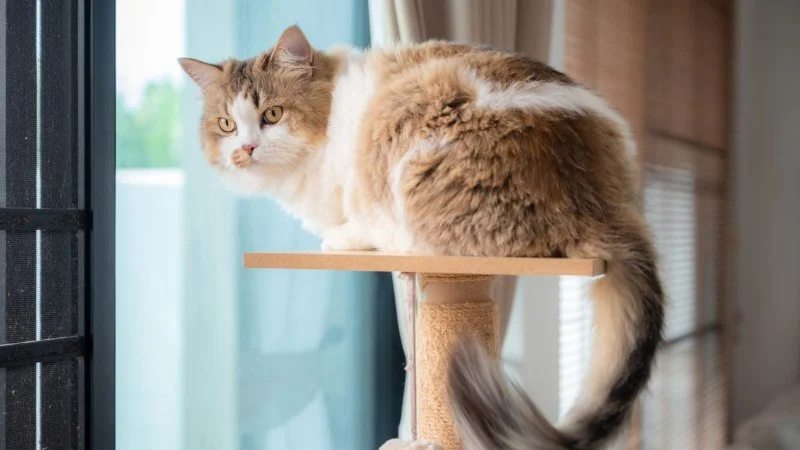
Cats love to climb, but they might find themselves in precarious situations if there aren’t proper climbing spots. Avoid placing fragile items on high shelves, and secure any furniture that could tip over if your cat jumps on it. Additionally, make sure there are safe, cat-friendly climbing areas like cat trees or shelves to satisfy their need to explore vertically.
3. Windows and Balconies
Cats are known for attempting to squeeze through windows or sit on high ledges. Ensure that windows are securely closed or screened off to prevent your cat from falling or escaping. If you have a balcony, make sure it is enclosed to keep your cat safe from accidental falls.
Creating a Cat-Friendly Space
In addition to removing hazards, it's important to create designated safe zones for your cat. These spaces will provide your feline friend with areas to play, explore, and relax without putting them in harm’s way.
1. Cat-Proofed Room
If possible, set up a room that is exclusively for your cat. This space can be filled with comfortable bedding, toys, and climbing structures. A safe room also allows your cat to retreat when they feel overstimulated, ensuring they have a quiet, secure environment when needed.
2. Interactive Play Zones
Interactive play is an essential part of keeping your cat mentally stimulated and physically active. Create designated play zones in your home with plenty of cat toys, scratching posts, and climbing structures. These play areas will keep your cat engaged while helping to prevent boredom and destructive behavior.
Practical Cat Proofing Tips
Now that you understand the risks and the importance of creating safe spaces, here are some practical tips for cat-proofing your home:
1. Secure Hazardous Items
Ensure that all harmful chemicals, small objects, and sharp items are stored in places that are inaccessible to your cat. You can install safety latches on cabinets to keep your cat out of dangerous areas like the cleaning supplies or medicine cabinet.
2. Use Cat-Proofing Products
There are several cat-proofing products available that can help protect your home. For example, furniture protectors can prevent your cat from scratching certain areas, and cord protectors can stop them from chewing on electrical cords. Investing in these products can make your life easier and keep your cat safer.
3. Monitor Their Behavior
Regularly monitor your cat’s behavior, especially when they are in new or potentially unsafe areas. Cats are very curious creatures, so keep an eye on them when they explore unfamiliar places. Early intervention can prevent accidents and ensure your cat remains safe.
Real-Life Examples of Cat Safety
Many pet owners have shared their experiences of cat-proofing their homes and the positive changes it has made in their cats’ lives. Let’s explore a couple of real-life examples:
1. Case Study: Sarah’s Safe Apartment
Sarah, a cat owner living in a downtown apartment, struggled with her curious cat, who often knocked over items and climbed dangerous areas. After taking steps to secure her apartment, including adding window screens, removing hazardous plants, and introducing cat climbing shelves, Sarah noticed a significant reduction in her cat’s risky behavior. She even created a small cat room with a comfortable bed and lots of toys, allowing her cat to have a safe space to retreat.
2. Case Study: John’s Family Home
John and his family noticed that their cat would often try to jump onto kitchen counters and explore areas that were off-limits. After cat-proofing the home, including installing safety gates and securing high shelves, John found that his cat was much more content and safer. The proactive measures allowed the cat to roam freely without causing any harm to itself or the house.
Making your home safe for your curious cat is essential for their well-being. By following these tips and creating a secure environment, you can ensure that your feline friend remains safe while still satisfying their curious nature. For more information on pet-proofing your home, visit Brothers Pets and explore the best products and services for your cat.





 VCA Auburn Animal Hospital4.0 (143 reviews)
 Sage Pet Hospital4.0 (48 reviews)
 Garner Pawsitive Preventive Care5.0 (1 reviews)
 Pets Paw Animal Hospital4.0 (295 reviews)
 Vetco Vaccination Clinic4.0 (8 reviews)
 PetVet Vaccination Clinic4.0 (33 reviews)
 Expert Advice on Pet Diseases: Recognizing, Preventing, and Managing Illness
 How to Safely Clean Your Pet’s Bowls and Toys
 How to Recognize and Treat Joint Pain in Older Pets: A Complete Guide
 The Complete Vaccination Schedule for Puppies and Kittens in the USA
 How to Help Pets Cope with Separation Anxiety: Effective Tips and Solutions
 Best Supplements to Support Healthy Aging in Cats