
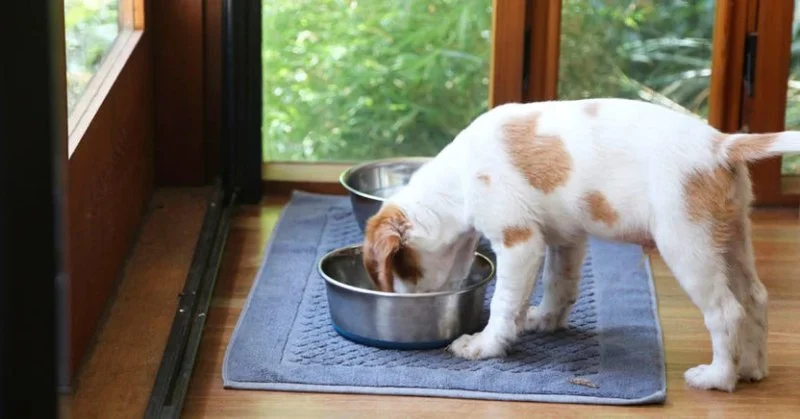
How to Safely Clean Your Pet’s Bowls and Toys
As a pet owner, keeping your furry friend’s accessories clean is essential for their health and well-being. Pet bowls and toys can accumulate bacteria, dirt, and food residue, which can lead to health issues like stomach infections and oral diseases. In this article, we’ll guide you through the best ways to clean your pet’s bowls and toys safely, using the right methods and products to ensure your pet stays happy and healthy.
- 1 - Why Cleaning Pet Accessories Is Important
- 2 - Safe Cleaning Methods for Pet Bowls
- 3 - Safe Cleaning Methods for Pet Toys
- 4 - When to Replace Pet Bowls and Toys
- 5 - Recommended Products for Cleaning Pet Accessories
1. Why Cleaning Pet Accessories Is Important
Pet bowls and toys are regularly exposed to food, saliva, and dirt, making them prime breeding grounds for bacteria and germs. Over time, these contaminants can build up and lead to health problems for your pet. Here are some reasons why regular cleaning is essential:
1.1. Preventing Infections
Dirty pet bowls and toys can harbor harmful bacteria, like Salmonella and E. coli, which can lead to stomach infections or other illnesses. Regular cleaning helps to minimize this risk, keeping your pet’s immune system strong and healthy.
1.2. Eliminating Odors
Leftover food, saliva, and dirt can cause unpleasant odors in your pet’s bowls and toys. Cleaning them regularly helps keep odors at bay and ensures that your pet’s space smells fresh.
1.3. Maintaining Oral Health
If your pet’s toys are not cleaned regularly, bacteria can build up and contribute to oral health issues like gum disease, plaque buildup, and bad breath. Keeping toys clean ensures your pet’s teeth and gums stay healthy.
2. Safe Cleaning Methods for Pet Bowls
Pet bowls, whether ceramic, stainless steel, or plastic, need to be cleaned properly to remove germs and food residue. Here are the best ways to clean them:
2.1. Wash with Hot, Soapy Water
The safest and simplest way to clean your pet’s bowl is with hot, soapy water. Use a gentle dish soap and a sponge or brush to scrub the bowl, paying special attention to any nooks where food residue may collect. After cleaning, rinse the bowl thoroughly to ensure no soap remains.
2.2. Disinfect with Vinegar or Baking Soda
If you want to disinfect your pet’s bowl, you can use white vinegar or baking soda. Both are natural, pet-safe options for removing odors and bacteria. Mix one part vinegar with two parts water and soak the bowl for 10–15 minutes before rinsing. Alternatively, sprinkle baking soda inside the bowl, scrub it with a wet sponge, and rinse thoroughly.
2.3. Avoid Harsh Chemicals
It’s important to avoid harsh chemicals or bleach when cleaning pet bowls, as these substances can be toxic if ingested by your pet. Stick to natural cleaning agents like vinegar, baking soda, or pet-safe disinfectants.
3. Safe Cleaning Methods for Pet Toys
Just like bowls, pet toys require regular cleaning to keep them safe and hygienic. Here are some tips for cleaning different types of pet toys:
3.1. Plastic and Rubber Toys
Plastic and rubber toys can be easily cleaned by soaking them in hot, soapy water for about 15 minutes. Use a brush or sponge to scrub away any dirt or saliva. For tougher stains or odors, use a mixture of baking soda and water to scrub the toy.
3.2. Fabric Toys
Fabric toys can be machine washed if they are durable enough. Wash them in a gentle cycle with mild detergent and let them air dry. If the toy cannot be machine washed, hand wash it with soap and water, then dry thoroughly to avoid mildew growth.
3.3. Chew Toys
For chew toys, it’s important to remove any debris, food, or saliva regularly. If the toy is dishwasher-safe, place it on the top rack of the dishwasher for a deep clean. Otherwise, hand wash with warm soapy water, rinse well, and let it air dry.
4. When to Replace Pet Bowls and Toys
While regular cleaning can extend the life of your pet’s accessories, there comes a time when replacement is necessary. Here are some signs that it’s time to replace pet bowls or toys:
4.1. Signs of Wear and Tear
If your pet’s bowl or toy is chipped, cracked, or broken, it’s time to replace it. Damaged accessories can harbor bacteria in cracks, and they can pose a choking hazard for your pet.
4.2. Foul Odor That Won’t Go Away
If you’ve cleaned the item thoroughly, but it still has a persistent foul odor, it may be time to replace it. Over time, plastic and rubber can absorb odors that are impossible to remove.
4.3. Changes in Your Pet’s Health
If your pet shows signs of illness or discomfort after using their bowl or toys, it could be a sign that the accessories need to be replaced. Bacteria buildup, even with regular cleaning, can still cause health issues if the item is too old.
5. Recommended Products for Cleaning Pet Accessories
To keep your pet’s accessories in top condition, you’ll need the right cleaning products. Visit Brothers Pets for a variety of safe, effective cleaning products for pet bowls, toys, and other accessories. Brothers Pets offers a range of pet-safe disinfectants, brushes, and cleaning solutions that help maintain a clean and healthy environment for your pets.


 Midcoast Animal Emergency Clinic4.0 (106 reviews)
 Petco4.0 (637 reviews)
 Animal Vision Center4.0 (80 reviews)
 Admiral Veterinary Hospital4.0 (439 reviews)
 The Welcome Waggin' In-Home Veterinary Care4.0 (177 reviews)
 Banfield Pet Hospital4.0 (231 reviews)
 How to Make Your Pet's Vet Visit Less Stressful
 Top 10 Tips for Pet Mental Health Every Pet Owner Should Know
 Expert Advice on Pet Grooming: Tips for Healthy, Happy Pets
 How to Spot and Treat Pet Ear Infections - A Complete Guide for Pet Owners
 How to Recognize and Treat Pet Allergies
 Understanding Canine Eye Disorders and Prevention: A Guide for Dog Owners