
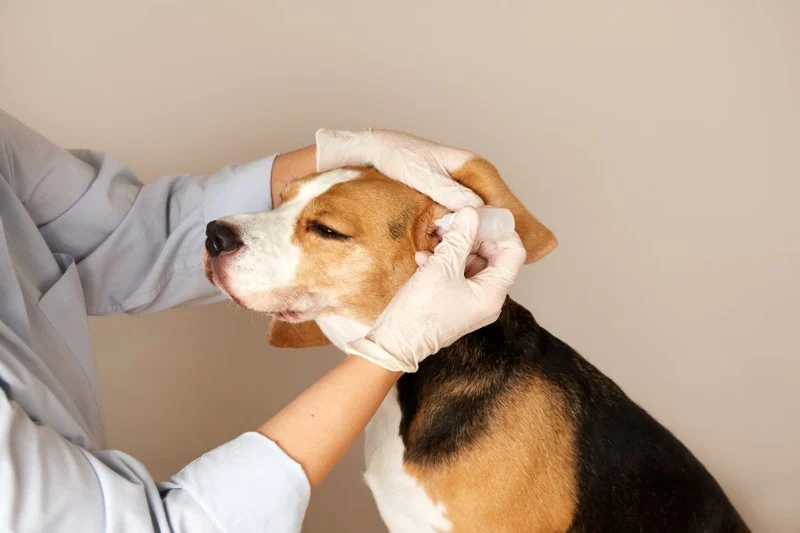
How to Recognize and Treat Ear Infections in Pets
- Understanding Ear Infections in Pets
- Common Symptoms of Ear Infections
- What Causes Ear Infections in Pets?
- Treatment Options for Ear Infections
- How to Prevent Ear Infections in Pets
- When to See a Veterinarian
- Real-Life Case Studies
Understanding Ear Infections in Pets
Ear infections in pets, particularly dogs and cats, are common and can be quite distressing for both pets and their owners. These infections often stem from various underlying causes, ranging from allergies to bacterial or fungal infections. Understanding the signs of an ear infection is crucial for early intervention, which can prevent more serious health issues down the line.
Why Pets Are Prone to Ear Infections
Pets, especially those with long or floppy ears, such as dogs like Cocker Spaniels and Beagles, are at higher risk of ear infections. The warm, moist environment inside their ears makes it an ideal breeding ground for bacteria and yeast. Additionally, ear infections may be exacerbated by allergies, ear mites, or a history of infections.
Common Symptoms of Ear Infections
Recognizing the signs of an ear infection early is essential to prevent more severe complications. Here are the most common symptoms pet owners should watch for:
- Excessive scratching or pawing at the ears
- Redness or swelling inside the ear
- Foul odor from the ears
- Discharge from the ear canal (may be yellow, green, or brown)
- Frequent head shaking or tilting
- Signs of discomfort when touching the ears
Case Study: Bella the Beagle
Bella, a six-year-old Beagle, developed an ear infection after a fun day at the beach. Her owners noticed her frequently shaking her head and scratching at her ears. A visit to the vet confirmed that Bella had a bacterial ear infection, which required antibiotics for treatment. This case highlights the importance of noticing behavior changes in pets that could indicate discomfort.
What Causes Ear Infections in Pets?
There are several potential causes of ear infections in pets. Some of the most common include:
1. Allergies
Pets with allergies (to food, pollen, dust mites, etc.) are more likely to develop ear infections. The inflammation caused by allergies can make the ear canal more susceptible to infections.
2. Ear Mites
Ear mites are tiny parasites that can cause irritation and lead to ear infections. They are particularly common in kittens and puppies.
3. Bacteria and Fungi
Bacterial and fungal infections are a leading cause of ear infections in pets. Yeast infections, for example, are common in dogs with floppy ears, as the ear environment often becomes too warm and moist.
4. Poor Hygiene
Not cleaning your pet's ears regularly can lead to a buildup of wax and debris, creating an environment for bacteria to thrive.
Treatment Options for Ear Infections
Once an ear infection is diagnosed, the treatment will depend on its cause. Here are some common treatment methods:
1. Ear Cleaning
Cleaning the ears with a pet-safe ear cleaner can help remove excess wax, dirt, and discharge, allowing any medication to be more effective.
2. Medications
If the infection is bacterial, your vet will likely prescribe antibiotics. For fungal infections, antifungal medications will be necessary. Ear drops are the most common form of treatment for ear infections.
3. Surgery
In severe cases where infections recur or do not respond to medication, surgery may be necessary to remove damaged tissue or to help improve the ear canal's drainage.
Case Study: Max the Cocker Spaniel
Max, a Cocker Spaniel, had recurrent ear infections for months. After several rounds of antibiotics, it was determined that Max's ear canal needed surgery to prevent future infections. Post-surgery, his ear health improved significantly, and he no longer suffered from the same issues.
How to Prevent Ear Infections in Pets
Prevention is always better than cure. Here are a few tips to help keep your pet’s ears healthy and infection-free:
- Regularly clean your pet’s ears with a veterinarian-recommended ear cleaner.
- Ensure your pet’s ears are dry after baths or swimming.
- Avoid excessive use of cotton swabs, which can push dirt further into the ear canal.
- Keep your pet on a healthy diet to prevent allergies.
- Regular vet checkups to monitor ear health.
When to See a Veterinarian
If you notice any signs of an ear infection, it’s best to consult with your vet as soon as possible. Early diagnosis and treatment can prevent more severe health issues, including hearing loss or chronic infections.
Real-Life Case Studies
Hearing real-life stories about pets and their ear infection journeys can help pet owners better understand how to care for their pets. For example, consider the case of a Golden Retriever, Sophie, who developed an ear infection after prolonged exposure to mold in a humid environment. Treatment involved both antibiotics and lifestyle adjustments, including improving airflow in her living space.
If you’re looking for the best products to maintain your pet’s ear health, visit Brothers Pets. We offer high-quality ear cleaners and health solutions that are gentle and effective for your furry companions.






 Jamie Moore DVM5.0 (1 reviews)
 The Veterinary Standard PLLC5.0 (28 reviews)
 Apex Vets4.0 (157 reviews)
 Veterinary Outpatient Surgical Center4.0 (4 reviews)
 Pleasant's Animal Hospital Inc4.0 (332 reviews)
 Ridge Runner Veterinary Services4.0 (239 reviews)
 Top 11 Tips for Pet Adoption: What Every New Owner Should Know
 What Every Pet Owner Should Know About Pet Aging
 Understanding Pet Grooming Tools: What You Need for Effective Care
 How to Spot Symptoms of Food Allergies in Cats: A Guide for Pet Owners
 The Importance of Dental Chews for Cats and Dogs: Keeping Pets’ Teeth Healthy
 Best Pet Carriers for Air Travel Safety and Comfort: Top Picks for Your Furry Friend