

- 1 - Why Vet Visits Are Stressful for Pets
- 2 - Preparing Your Pet for a Vet Visit
- 3 - During the Vet Visit: Tips for a Calm Experience
- 4 - How to Deal with Anxious Pets at the Vet
- 5 - Real-Life Story: A Pet's Stress-Free Vet Visit
- 6 - Recommendations from Brothers Pets for Stress-Free Vet Visits
1. Why Vet Visits Are Stressful for Pets
Vet visits are often stressful for pets due to unfamiliar smells, sights, and sounds in the veterinary office. Most pets are sensitive to changes in their routine, and the car ride to the vet alone can trigger anxiety. Additionally, pets may associate the vet visit with past discomfort or pain, such as vaccinations or treatments.
For many animals, being placed in a carrier or confined to a small room increases their anxiety. This is particularly true for cats and dogs, who are known to be territorial and may not be accustomed to new environments. Understanding the reasons behind this stress is the first step in helping your pet feel more at ease.
2. Preparing Your Pet for a Vet Visit
Preparing your pet in advance can reduce anxiety and make the vet visit less stressful. Here are some ways to help ease your pet’s nerves:
2.1 Make the Carrier a Familiar Space
If you're taking your pet to the vet in a carrier, make sure they are comfortable with it well before the appointment. Leave the carrier out in your home with familiar bedding, toys, or treats inside, allowing your pet to explore it without the pressure of an upcoming visit. This will help them associate the carrier with positive experiences instead of a trip to the vet.
2.2 Keep a Calm and Positive Attitude
Pets can pick up on their owners' emotions, so staying calm and positive is essential. If you're anxious about the vet visit, your pet may mirror that anxiety. Speak in a soothing voice and remain relaxed during the car ride to help your pet feel secure.
2.3 Try Pre-Vet Visit Socialization
If possible, visit the vet’s office before the actual appointment. Many veterinary clinics offer “meet and greet” opportunities for pets to explore the space without the pressure of an appointment. This allows your pet to get accustomed to the environment and associate the space with something less intimidating.
3. During the Vet Visit: Tips for a Calm Experience
The way you handle your pet during the vet visit plays a significant role in reducing stress. Follow these steps to ensure a calm experience:
3.1 Keep Your Pet in the Waiting Area
If possible, keep your pet in a calm position in the waiting room. Many pets find it stressful to be surrounded by unfamiliar animals. Allow them to remain in the carrier until their name is called, and avoid engaging with other pets unless necessary.
3.2 Stay Close to Your Pet
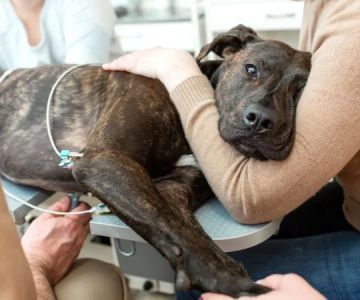
When it’s time for the examination, try to stay close to your pet, offering them reassurance through gentle petting and soothing words. If your pet is fearful of being handled by the vet, see if you can remain with them during the procedure, as your presence will help calm their nerves.
3.3 Use Calming Pheromones
Products like calming pheromone sprays or collars can help alleviate stress for pets. These products release synthetic pheromones that mimic the calming signals pets naturally produce. Many pet owners find that pheromones can reduce anxiety in their animals during vet visits.
4. How to Deal with Anxious Pets at the Vet
Some pets experience extreme anxiety at the vet, making it difficult for them to undergo even basic procedures. Here are some strategies for handling anxious pets:
4.1 Practice Desensitization
Desensitization involves gradually exposing your pet to situations that cause them anxiety, such as being handled by strangers or being in a carrier. Over time, this can help reduce their sensitivity to those triggers. Consistency is key—start training your pet well in advance of their next vet appointment.
4.2 Consult with Your Vet About Sedation
If your pet’s anxiety is severe, it may be worth discussing the option of mild sedation with your vet. Some pets may require light sedatives to calm them down during the examination or procedures. Your vet can recommend safe sedatives that suit your pet’s health and needs.
4.3 Reward Calm Behavior
Rewarding your pet’s calm behavior during the vet visit with treats or affection helps create positive associations with the visit. Even if your pet is only mildly less anxious than usual, praise them for their courage and provide small rewards to reinforce good behavior.
5. Real-Life Story: A Pet's Stress-Free Vet Visit
Sarah, a pet owner from Florida, used to dread taking her cat, Bella, to the vet. Bella would become so anxious that she would hide under furniture, refusing to enter the carrier. After some research and using the desensitization technique, Sarah started getting Bella used to the carrier by leaving treats inside and taking short trips in the car. Bella’s first vet visit after this preparation was much smoother, and Sarah was amazed at how calm her cat was during the checkup. Sarah’s experience proves that with patience and consistency, even the most anxious pets can learn to handle their vet visits with minimal stress.
6. Recommendations from Brothers Pets for Stress-Free Vet Visits
At Brothers Pets, we offer a variety of products designed to make your pet’s vet visit less stressful. From calming pheromone sprays to comfortable travel carriers, we have everything you need to prepare your pet for a relaxing visit to the vet.
Visit Brothers Pets for more information on how to reduce your pet’s anxiety and make their vet experience stress-free!





 Heather Ridge Pet Hospital4.0 (608 reviews)
 Stilwell Animal Hospital4.0 (50 reviews)
 Echo Vet Cardio5.0 (3 reviews)
 St Joseph Animal Hospital4.0 (383 reviews)
 Hollywood Feed4.0 (73 reviews)
 Sykesville Veterinary Clinic4.0 (121 reviews)
 The Benefits of Regular Exercise for Your Pet's Physical and Mental Health
 What Every Pet Owner Should Know About Pet Aging
 What Every Pet Owner Should Know About Veterinary Advice
 The Ultimate Guide to Pet Safety: Protecting Your Pet Every Day
 How to Recognize Hypothyroidism in Dogs
 How to Manage Your Pet's Stress and Anxiety Levels: Effective Tips and Strategies