
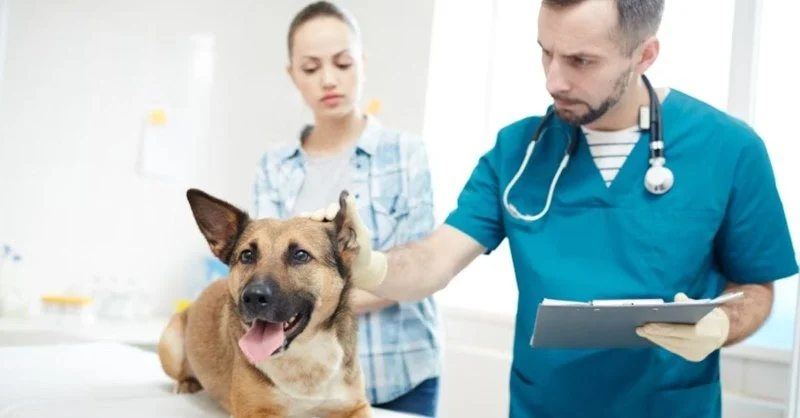
The Benefits of Regular Vet Check-Ups for Your Pet
- Why Regular Vet Check-Ups Are Crucial for Your Pet's Health
- Early Detection of Health Issues
- Preventative Care During Vet Visits
- How Regular Vet Visits Can Improve Your Pet's Longevity
- Real-Life Examples: The Impact of Regular Vet Check-Ups
1. Why Regular Vet Check-Ups Are Crucial for Your Pet's Health
Regular vet check-ups are essential for maintaining your pet's overall health and well-being. Just like humans, pets can develop health issues that may not be immediately visible. Regular visits to the vet help ensure your pet remains in good health and prevent potential health problems from becoming serious.
These check-ups allow the veterinarian to assess your pet's health comprehensively, monitor their weight, check for any abnormalities, and ensure that vaccinations and preventative treatments are up to date. Without regular check-ups, conditions like infections, dental issues, or even cancer may go unnoticed until they become harder or more expensive to treat.
2. Early Detection of Health Issues
One of the most significant benefits of regular vet check-ups is the ability to detect health problems early. Many serious health conditions in pets, such as kidney disease, diabetes, and heart issues, may not show obvious symptoms until they are in advanced stages.
2.1 Catching Problems Before They Escalate
Veterinarians are trained to recognize early signs of illness, even those that are not easily detectable by pet owners. Early detection allows for prompt treatment, which can often lead to better outcomes and more affordable care. For example, if a vet detects early-stage dental disease during a check-up, it can be addressed before it leads to tooth loss or infection.
2.2 Routine Screenings and Tests
During regular vet visits, your veterinarian will typically conduct routine screenings such as blood tests, fecal exams, and urine tests. These screenings help detect underlying health conditions that may not be visible on the surface. For example, blood tests can reveal liver or kidney issues, while a fecal exam can identify parasites that could be affecting your pet's digestive health.
3. Preventative Care During Vet Visits
Vet check-ups are not only about addressing existing health issues but also about preventing future ones. Preventative care is a cornerstone of responsible pet ownership, and regular vet visits provide an opportunity to stay ahead of potential health risks.
3.1 Vaccinations and Parasite Control
During a vet visit, your veterinarian will ensure that your pet's vaccinations are up to date. Vaccines protect your pet from serious diseases like rabies, distemper, and parvovirus. In addition to vaccinations, your vet will also check for external parasites such as fleas, ticks, and mites, and recommend appropriate treatments to prevent infestations.
3.2 Dental Care
Oral health is often overlooked, but dental problems are one of the most common health issues pets face. Regular vet visits allow the veterinarian to monitor your pet's dental health and recommend professional cleanings or treatments if necessary. Proper dental care can prevent conditions such as gingivitis, tooth loss, and infections.
4. How Regular Vet Visits Can Improve Your Pet's Longevity
One of the key benefits of regular vet check-ups is that they contribute to your pet's longevity. By addressing health issues early and ensuring preventative care, you can help your pet live a longer, healthier life.
4.1 Maintaining a Healthy Weight
Regular check-ups allow the veterinarian to assess your pet's weight and recommend dietary changes if necessary. Obesity is a common problem among pets and can lead to a variety of health issues, such as joint problems, diabetes, and heart disease. By monitoring your pet’s weight, you can make adjustments to their diet and lifestyle that will help them maintain a healthy weight and avoid these complications.
4.2 Managing Chronic Conditions
For pets with chronic conditions such as arthritis or diabetes, regular vet visits are essential for managing their health over time. Your vet will adjust treatment plans, monitor your pet's progress, and offer advice on lifestyle changes to improve their quality of life. Regular check-ups ensure that any changes in their condition are addressed promptly, preventing further complications.
5. Real-Life Examples: The Impact of Regular Vet Check-Ups
Real-life cases highlight the benefits of regular vet check-ups. For example, a dog named Bella was brought in for a routine check-up, where her vet noticed early signs of arthritis. With early intervention, Bella's pain was managed through medication, and her quality of life improved significantly. Had this issue gone unnoticed, Bella may have suffered from more severe joint damage.
Another example involves a cat named Max, who had been lethargic for a while. During a routine exam, the vet discovered that Max had a kidney infection, which could have been life-threatening if left untreated. With proper care and medication, Max made a full recovery and returned to his playful self.
For more advice and to explore a range of pet care products, visit Brothers Pets, where you can find everything from pet food and health supplements to grooming tools and accessories.



 Doctors Park Veterinary Clinic4.0 (183 reviews)
 Smokin 3D Reefer LLC0.0 (0 reviews)
 Animal Emergency Hospital of the Pee Dee3.0 (135 reviews)
 Bloomfield Animal Hospital4.0 (105 reviews)
 Petco4.0 (880 reviews)
 PetVet Vaccination Clinic0.0 (0 reviews)
 Common Mistakes in Pet Health and How to Avoid Them - Expert Tips for Healthy Pets
 Common Skin Conditions in Dogs and Their Treatments | Dog Skin Care Tips
 Top 5 Tips for Pet Behavior: Improve Training and Communication
 Beginner's Guide to Pet Fitness: Safe, Fun & Healthy Routines for All Pets
 Top 9 Tips for Pet Training Every Owner Should Know
 How to Care for Your Pet's Teeth and Gums