
- 1- Understanding Pet Dental Health
- 2- Why Dental Care is Important for Pets
- 3- Steps to Care for Your Pet's Teeth
- 4- Choosing the Right Dental Products for Your Pet
- 5- Visiting the Vet for Regular Dental Checkups
1. Understanding Pet Dental Health
Just like humans, pets need proper dental care to maintain healthy teeth and gums. Dental problems in pets, such as plaque buildup, gingivitis, and tooth decay, can cause pain, difficulty eating, and even systemic health issues. In fact, studies show that a significant number of pets suffer from untreated dental issues that could easily be prevented with proper care.
Understanding the importance of dental health for your pet is the first step in preventing long-term problems. While cats and dogs are different, both require regular dental attention to avoid serious complications. Whether your pet is a dog or a cat, keeping their teeth clean and healthy will improve their overall well-being and quality of life.
2. Why Dental Care is Important for Pets
Poor dental health can lead to a variety of serious issues. Here’s why regular dental care is essential for your pet:
- Prevent Gum Disease: Gum disease is a common condition in pets, especially as they age. It begins with the buildup of plaque, which can harden into tartar and lead to infection, inflammation, and tooth loss.
- Reduce Risk of Systemic Diseases: Bacteria from dental infections can enter the bloodstream and affect vital organs such as the heart, liver, and kidneys. This can lead to more severe health problems that affect your pet's overall health.
- Maintain Healthy Teeth: Regular dental care helps prevent cavities, fractures, and the formation of tartar, keeping your pet’s teeth strong and functional.
- Prevent Bad Breath: One of the most obvious signs of dental problems in pets is bad breath. Regular brushing and care can help keep their breath fresh and their mouths clean.
3. Steps to Care for Your Pet's Teeth
There are several steps you can take to ensure your pet’s dental health remains in top condition:
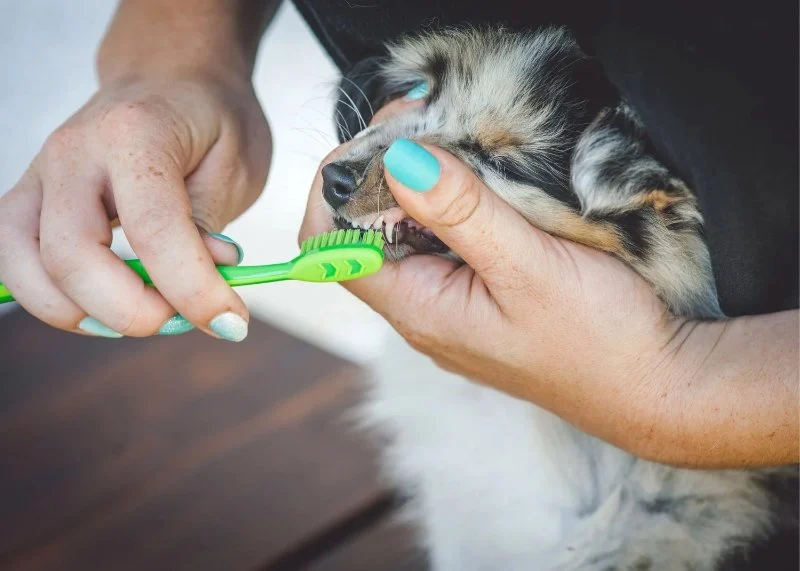
- Brushing Their Teeth: Just like humans, brushing your pet’s teeth regularly is one of the best ways to prevent plaque buildup and keep their teeth clean. Use a toothbrush and toothpaste specifically designed for pets. Aim to brush your pet’s teeth at least two to three times a week.
- Providing Dental Chews: Dental chews and treats are a great way to help reduce plaque and tartar while giving your pet a tasty reward. Look for products that are designed to clean teeth and promote healthy gums.
- Offering Dental Toys: Chew toys can help keep your pet’s teeth healthy by providing a natural way to reduce plaque buildup. Choose toys made from durable materials that are safe for chewing.
- Feeding a Healthy Diet: A balanced diet plays a crucial role in your pet’s dental health. Consider feeding your pet dry food that can help scrape away plaque as they chew. Some pet foods are specifically formulated to promote dental health.
4. Choosing the Right Dental Products for Your Pet
Selecting the right dental products can make a big difference in maintaining your pet's oral hygiene. Here are some essential items you should consider:
- Pet Toothpaste: Always use toothpaste that is made for pets. Human toothpaste can be harmful to animals. Look for flavors like poultry or peanut butter that your pet will enjoy.
- Pet Toothbrush: Invest in a pet-specific toothbrush that is designed to fit comfortably in your pet’s mouth. Options include finger brushes, soft-bristle brushes, and angled brushes for easy use.
- Dental Sprays and Water Additives: If brushing is difficult, dental sprays or water additives can help reduce plaque buildup and fight bad breath.
- Chew Toys and Dental Treats: Ensure the toys and treats you buy are designed to clean teeth effectively. Some brands offer products that are veterinarian-approved for oral health.
5. Visiting the Vet for Regular Dental Checkups
Even with regular home care, it’s essential to schedule annual dental checkups with your vet. Your vet will be able to identify potential problems early, such as gum disease or tooth decay, and can recommend the best treatment options. Some pets may require professional cleanings, which involve scaling and polishing the teeth under anesthesia.
During the visit, your vet will also check for signs of oral cancer, misalignment of teeth, and other oral health concerns that might not be obvious at home. Regular checkups will help ensure your pet’s teeth and gums remain healthy for years to come.
Incorporating dental care into your pet’s routine may take some effort, but the benefits are well worth it. If you're looking for dental products or expert advice on keeping your pet’s smile healthy, visit Brothers Pets for the best products and services tailored to your pet's needs.






 Willowbrook Veterinary Hospital4.0 (166 reviews)
 Carr Island Animal Hospital4.0 (70 reviews)
 Midway Veterinary Clinic: Jarrod Goff DVM4.0 (15 reviews)
 Main Line Veterinary Hospital4.0 (88 reviews)
 Bayparkway Aquarium4.0 (188 reviews)
 Douds Veterinary Hospital4.0 (549 reviews)
 Understanding Pet Nutrition: What to Feed Your Pet
 htmlCopy codeHow to Safely Groom Your Pet at Home
 How to Recognize and Treat Ear Infections in Pets
 Understanding Canine Hip Dysplasia and Prevention Methods
 What Every Pet Owner Should Know About Pet Behavior
 How to Spot Symptoms of Food Allergies in Cats: A Guide for Pet Owners