
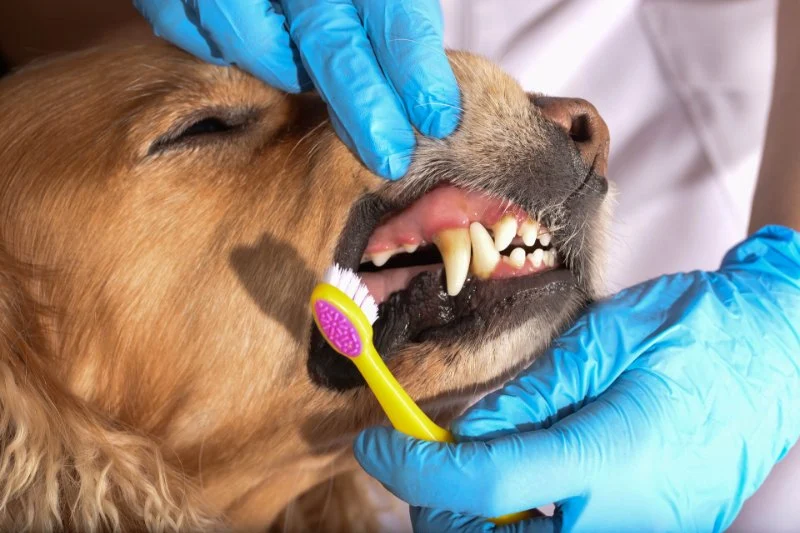
Dog Dental Care Tips to Prevent Tartar, Bad Breath, and Gum Disease
- 1 - Why Dental Care is Crucial for Dogs
- 2 - Understanding Tartar and Its Impact on Your Dog's Health
- 3 - How to Combat Bad Breath in Dogs
- 4 - Preventing Gum Disease in Dogs
- 5 - Real-Life Case: How Proper Dental Care Saved a Dog's Teeth
1 - Why Dental Care is Crucial for Dogs
Dental health is just as important for dogs as it is for humans. Poor oral hygiene in dogs can lead to a range of health problems, including tartar build-up, gum disease, and even tooth loss. In fact, studies show that 80% of dogs over the age of 3 suffer from some form of dental disease. Regular care is essential to avoid these issues and ensure your dog's overall health. A healthy mouth can lead to a longer, happier life for your furry friend.
2 - Understanding Tartar and Its Impact on Your Dog's Health
Tartar, also known as dental calculus, is a hard, yellowish deposit that forms on the teeth when plaque is left untreated. Plaque is a sticky film of bacteria that builds up on the teeth, and if not removed, it hardens into tartar. Tartar can cause a number of serious health issues, such as:
- Tooth Decay: The bacteria in tartar can lead to infections in the gums and teeth, leading to decay and tooth loss.
- Gum Disease: Tartar causes irritation and inflammation in the gums, leading to gingivitis and periodontitis, which can result in painful and swollen gums.
- Bad Breath: The bacteria in tartar release sulfur compounds that can cause foul-smelling breath.
To avoid these issues, it’s essential to regularly clean your dog’s teeth. This can be done through brushing, dental chews, or professional cleanings by a vet.
3 - How to Combat Bad Breath in Dogs
Bad breath in dogs is often a sign of poor dental hygiene. However, it could also indicate more serious health issues, such as kidney or liver disease. If your dog's bad breath persists despite regular oral care, it’s best to consult with a vet. To prevent bad breath caused by tartar and bacteria buildup, consider the following tips:
- Brush Their Teeth: Brushing your dog’s teeth regularly (at least 2-3 times a week) helps prevent plaque and tartar buildup, which are common causes of bad breath.
- Use Dental Chews: Dental chews or toys designed to clean teeth can be a great supplement to brushing. They help reduce plaque buildup and promote fresh breath.
- Regular Vet Checkups: Ensure your dog has regular veterinary checkups and professional dental cleanings to prevent any buildup of tartar that could lead to bad breath.
4 - Preventing Gum Disease in Dogs
Gum disease, also known as periodontal disease, is one of the most common dental problems in dogs. It begins with the buildup of plaque, which leads to inflammation of the gums (gingivitis). If left untreated, it can progress to periodontitis, which affects the bone structure that supports the teeth. Here are a few ways to prevent gum disease in dogs:
- Brushing Teeth: As mentioned earlier, regular brushing is the best way to prevent gum disease. Be sure to use a toothbrush and toothpaste designed for dogs.
- Regular Vet Cleanings: Professional cleanings by your vet every 6-12 months can help remove tartar that brushing may miss. These cleanings are essential for preventing gum disease.
- Healthy Diet: Feeding your dog a balanced diet and using food designed to support dental health can help reduce plaque buildup and strengthen their gums.
5 - Real-Life Case: How Proper Dental Care Saved a Dog's Teeth
Meet Bella, a 5-year-old golden retriever who suffered from bad breath and discomfort due to tartar and gum disease. Her owners initially thought the bad breath was normal but soon realized it was a sign of dental problems. After a professional dental cleaning and switching to a regular brushing routine at home, Bella’s breath improved significantly, and her gums became healthier. This story highlights how proactive dental care can save your dog from painful dental diseases and costly treatments in the future.
At Brothers Pets, we believe in the importance of proper dental care for your dog. Whether you're looking for the best dental chews, toothpaste, or grooming services, we have the products and services to keep your dog's smile bright and healthy. Visit us today to find the right dental care solutions for your furry companion.




 Banfield Pet Hospital3.0 (92 reviews)
 VIP Petcare Vaccination Clinic0.0 (0 reviews)
 Arlington Heights Veterinary Hospital - South4.0 (387 reviews)
 Marblehead Animal Hospital4.0 (38 reviews)
 School Of Fish4.0 (403 reviews)
 Columbus Veterinary Clinic4.0 (190 reviews)
 Beginner’s Guide to Veterinary Advice for New Pet Owners
 How to Spot and Treat Dehydration in Pets | Brothers Pets
 Understanding Pet Arthritis: Symptoms and Management
 Human Foods That Are Surprisingly Safe for Dogs
 How to Keep Your Pet’s Teeth Clean and Healthy Between Vet Visits | Brothers Pets
 How to Prevent and Treat Dog Ear Mites Effectively in the US