Brothers Pets
Pet Health & Care BlogPet Stores Near Me​Vet Near Me
AlabamaArizonaArkansasCaliforniaColoradoConnecticutDelawareDistrict of ColumbiaFloridaGeorgiaIllinoisIndianaIowaKansasKentuckyLouisianaMaineMarylandMassachusettsMichiganMinnesotaMississippiMissouriNebraskaNevadaNew HampshireNew JerseyNew MexicoNew YorkNorth CarolinaNorth DakotaOhioOklahomaOregonPennsylvaniaRhode IslandSouth CarolinaSouth DakotaTennesseeTexasVermontVirginiaWashingtonWest VirginiaWisconsin
Brothers PetsPet Health & Care Blog

How to Spot and Treat Anxiety and Stress in Cats: A Complete Guide

How to Spot and Treat Anxiety and Stress in Cats: A Complete Guide

1. Understanding Anxiety and Stress in Cats

Cats are known for being independent creatures, but they can still experience anxiety and stress just like humans. In fact, stress is quite common among cats, and it can manifest in a variety of ways. While some stressors, such as a change in environment or routine, are inevitable, it’s important to recognize when your cat is struggling with anxiety. Just like people, cats need support to manage their mental health.Why Cats Experience Stress and Anxiety:Cats are creatures of habit, and anything that disrupts their routine or comfort zone can cause stress. For some cats, even small changes—such as moving to a new home, the introduction of a new pet, or a trip to the vet—can lead to anxiety. Understanding the triggers of stress in your cat is the first step in helping them feel more comfortable and secure.Physical and Emotional Impact:Chronic anxiety and stress can affect a cat’s physical health, leading to behaviors like excessive grooming, changes in appetite, or even health problems like urinary issues. The emotional toll is just as significant, leading to mood swings, irritability, or withdrawal. Addressing stress and anxiety early on can help prevent long-term negative effects on your cat’s overall well-being.

2. Common Symptoms of Stress and Anxiety in Cats

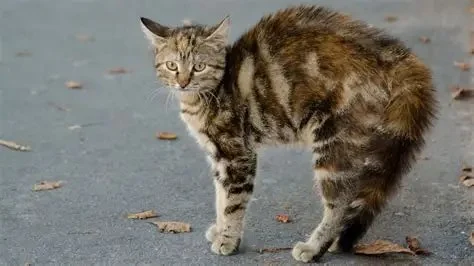
Cats may not be able to tell us when they’re stressed, but they do give us signals. Being able to spot the signs of anxiety and stress early on can make a big difference in how effectively you address the issue. Here are some common symptoms of stress in cats:1. Changes in Behavior:A stressed cat may become more reclusive, hiding more often than usual. Alternatively, some cats may become overly clingy and seek constant attention or affection. A change in your cat’s normal behavior is often one of the first signs of stress or anxiety.2. Excessive Grooming or Scratching:When stressed, some cats will groom excessively, leading to bald patches or sores. Others may resort to scratching more frequently, damaging furniture or their own skin. These behaviors can be a sign that your cat is using grooming or scratching as a coping mechanism.3. Changes in Appetite or Litter Box Habits:Stress can affect your cat’s appetite, causing them to eat less or more than usual. You may also notice changes in their litter box habits, such as urinating outside the litter box or using it less frequently.4. Aggression or Irritability:A stressed cat may become more irritable or aggressive, hissing, swatting, or growling. These signs of aggression can be directed toward other pets, people, or even objects in the home.5. Vocalizing More or Less:Some cats may meow excessively when stressed, while others may become unusually quiet. Changes in your cat’s vocalizations can be an important indicator of their emotional state.

3. Causes of Anxiety and Stress in Cats

There are many potential causes of anxiety and stress in cats. Some are environmental, while others may stem from changes in their routine or interactions with other pets. Understanding these causes will help you create a more supportive environment for your cat.1. Changes in Environment:Cats are creatures of habit, and a sudden move to a new home or changes to their living space can cause significant stress. This includes rearranging furniture, bringing in new furniture, or even changes in the scent of the house. A new home or unfamiliar smells can leave a cat feeling anxious and disoriented.2. Introduction of New Pets or People:The addition of a new pet or person to your household can be a source of anxiety for your cat. Cats can be territorial and may not react well to unfamiliar animals or humans. This is especially true if the new pet or person is more dominant or aggressive.3. Loud Noises or Changes in Routine:Loud noises, such as thunderstorms, fireworks, or construction, can cause fear and anxiety in cats. Likewise, any significant changes in routine, such as a new work schedule, a move, or travel, can create uncertainty and stress for your cat.4. Health Issues:Sometimes, underlying medical problems can contribute to your cat’s stress. Conditions like hyperthyroidism, dental disease, or pain can cause irritability or changes in behavior. If you suspect your cat’s anxiety is related to health issues, it’s important to consult with a veterinarian.5. Lack of Mental or Physical Stimulation:Cats need regular physical and mental stimulation to stay happy and healthy. Boredom can lead to stress and anxiety, so it’s important to provide toys, scratching posts, and opportunities for exploration and play. Cats that are left alone for long periods without stimulation may become anxious or destructive.

4. How to Treat Anxiety and Stress in Cats

There are several strategies you can use to help your cat cope with anxiety and stress. Treatment will depend on the severity of the stress and the underlying causes, but here are some general approaches to help ease your cat’s tension:1. Create a Safe and Comfortable Environment:Make sure your cat has a quiet, comfortable space where they can retreat when feeling overwhelmed. This might be a specific room, a cozy bed, or a high perch where they can observe the surroundings without feeling threatened. Minimizing loud noises and providing a stable environment can also help reduce anxiety.2. Gradual Introductions:If your cat is stressed due to the introduction of new pets or people, try a gradual introduction process. Allow your cat to slowly adjust to the new member of the household, providing safe spaces and monitoring interactions. This can help your cat feel more comfortable over time.3. Play and Enrichment:Providing regular playtime is essential for a cat’s mental health. Interactive toys, puzzle feeders, and new experiences can engage your cat and reduce stress. Play helps to release pent-up energy and provides mental stimulation, which can keep anxiety at bay.4. Feliway and Calming Products:Feliway is a synthetic pheromone product that mimics the natural calming pheromones cats release to mark their territory. Using Feliway diffusers, sprays, or collars can help reduce stress in cats by creating a sense of security. Additionally, there are calming treats, supplements, and oils available that can help your cat relax.5. Veterinary Assistance:In some cases, anxiety may require professional treatment. A veterinarian can rule out underlying health problems and, if necessary, prescribe anti-anxiety medications or recommend behavioral therapy. If your cat’s stress is severe or persistent, seeking professional advice is crucial.

5. Real-Life Example: Helping a Stressed Cat Find Calm

I once cared for a cat named Leo who was extremely stressed after we moved into a new apartment. At first, he was hiding under the furniture, stopped eating, and became aggressive towards other pets. I realized that the move was the cause of his anxiety, so I started by creating a quiet, cozy space for him with his favorite blanket and a scratching post. I used a Feliway diffuser in the room, and I made sure to spend more time playing with him and offering him treats.Slowly, Leo began to settle into his new environment. The safe space gave him a sense of security, and the Feliway diffuser seemed to help calm his nerves. After a few weeks, he started eating normally again, interacting with the other pets, and showing less aggression. This experience showed me how patience, a little time, and the right approach can help an anxious cat overcome stress.

Conclusion

Recognizing and addressing anxiety and stress in cats is essential for their well-being. By understanding the symptoms, causes, and effective treatments, you can help your cat lead a more relaxed and happy life. If you're unsure about your cat’s stress level or need professional products to aid in their recovery, visit Brothers Pets for expert advice and quality products tailored to your cat's needs.

Trending Blog Articles

Popular Blog Posts

Categories

Top Visited Sites

Top Pet Stores​ Searches

Trending Pet Health & Care Blog Posts