
- Understanding-hot-spots-on-dogs
- How-to-spot-and-treat-hot-spots-on-dogs
- Common-causes-and-triggers
- Real-life-cases-and-lessons-for-pet-owners
- Home-care-tips-and-when-to-see-a-vet
- Choosing-the-right-pet-care-support
1. Understanding Hot Spots on Dogs
Hot spots, also known as acute moist dermatitis, are inflamed, irritated patches of skin that can appear suddenly on dogs. They are often red, warm, and painful to the touch. These spots can spread quickly if not addressed, making them a common yet serious concern for American pet owners. Recognizing them early is essential to prevent discomfort and more extensive skin issues.
2. How to Spot and Treat Hot Spots on Dogs
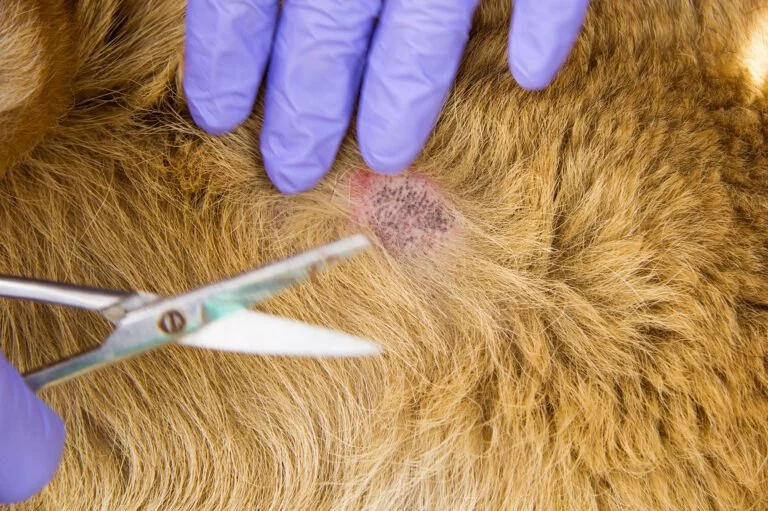
Learning how to spot and treat hot spots on dogs is a must for every responsible owner. Look for signs like excessive licking, scratching, or biting at a specific area, followed by fur loss and raw skin. Treating hot spots typically begins with gently trimming fur around the area, cleaning the wound with a pet-safe antiseptic, and applying soothing ointments. In more advanced cases, a veterinarian may prescribe antibiotics or medicated sprays to stop the infection and inflammation.
3. Common Causes and Triggers
Hot spots are often triggered by allergies, flea infestations, poor grooming, or moisture trapped in the coat after swimming or bathing. Stress and boredom can also lead to excessive licking, which worsens the problem. Understanding these triggers allows owners to take preventive measures, such as maintaining regular grooming routines and ensuring dogs are protected against fleas and ticks year-round.
4. Real-Life Cases and Lessons for Pet Owners
Consider the story of a golden retriever in Florida whose hot spots worsened after frequent swimming sessions. The owner initially thought it was a minor rash, but within days, the dog needed veterinary care for a severe skin infection. On the other hand, a family in California noticed their bulldog’s constant scratching and promptly cleaned and treated the affected area, preventing the issue from escalating. These real-life cases show how quick action makes a critical difference.
5. Home Care Tips and When to See a Vet
At-home care works best for mild hot spots. Keep your dog’s nails trimmed, provide distractions to reduce licking, and ensure the wound stays clean and dry. However, if the spot grows rapidly, oozes, or causes significant discomfort, it’s time to visit a veterinarian. Ignoring severe hot spots can lead to deeper infections that are far harder to manage at home.
6. Choosing the Right Pet Care Support
Caring for a dog with hot spots requires both knowledge and reliable resources. From soothing sprays to grooming tools, having the right products on hand is essential. Brothers Pets provides a trusted selection of pet care solutions that support owners in managing and preventing skin issues. Choosing the right guidance and supplies ensures your dog stays comfortable, healthy, and happy.




 Thompson Hills Animal Clinic: Mcneal Chad DVM4.0 (15 reviews)
 City Cat Clinic & Condos4.0 (162 reviews)
 Veterinary Small Animal Hospital (VSAH)4.0 (780 reviews)
 Complete Care Animal Hospital4.0 (89 reviews)
 Riverside Veterinary Hospital: Meachem Chandra DVM2.0 (2 reviews)
 Vetco Vaccination Clinic3.0 (3 reviews)
 How to Recognize and Treat Common Pet Illnesses and Conditions Effectively
 Expert Advice on Pet Vaccination: What Every Pet Owner Should Know
 Beginner's Guide to Pet Training for American Families
 Top 10 Tips for Pet Mental Health That Every Owner Should Know
 How to Provide Comfort and Care for Your Pet During Illness: Essential Tips for Pet Owners
 How to Recognize and Treat Common Pet Diseases: A Guide for Pet Owners