
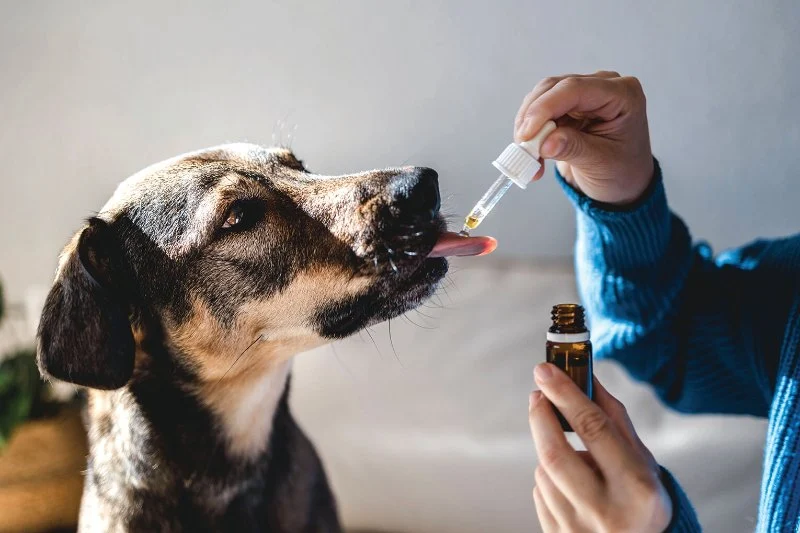
How to Recognize and Treat Common Pet Illnesses and Conditions Effectively
- 1. Recognizing Pet Illnesses and Symptoms
- 2. Common Pet Conditions and Their Treatments
- 3. When to Consult a Veterinarian
- 4. Home Remedies and Over-the-Counter Treatments
- 5. Preventing Common Pet Illnesses
1. Recognizing Pet Illnesses and Symptoms
Pets, much like humans, can suffer from a variety of illnesses, from common colds to more serious conditions. Recognizing the symptoms early on can significantly improve the chances of successful treatment. Some common signs that your pet may be unwell include:
- Changes in appetite – A sudden loss of appetite or excessive eating may indicate an underlying health problem.
- Unexplained weight loss or gain – Sudden weight fluctuations can be a sign of metabolic issues or internal infections.
- Lethargy – If your pet seems unusually tired or is not engaging in its usual activities, it may be ill.
- Vomiting or diarrhea – These symptoms often indicate digestive issues or infections.
- Coughing or sneezing – Respiratory problems can be a sign of infections, allergies, or other conditions.
It's important to note that each pet is unique, and symptoms can vary based on breed, age, and health history. Always monitor your pet closely to identify any changes in their behavior.
2. Common Pet Conditions and Their Treatments
There are several common conditions that pets, especially dogs and cats, may face. Recognizing these conditions early on can help you seek appropriate treatment. Some of the most common pet illnesses include:
- Ear infections – Common in dogs with floppy ears, ear infections are usually treated with antibiotics or antifungal medications. Regular cleaning of the ears can help prevent them.
- Fleas and ticks – These parasites can cause itching, infections, and more severe diseases. Over-the-counter flea medications, as well as regular grooming, can help manage and prevent infestations.
- Urinary tract infections (UTIs) – Pets with UTIs may exhibit symptoms like frequent urination or accidents outside the litter box. Veterinary treatment with antibiotics is usually required.
- Arthritis – Common in older pets, arthritis causes joint pain and stiffness. Treatments include anti-inflammatory medications and joint supplements.
- Gastrointestinal issues – Vomiting, diarrhea, or bloating are common signs of gastrointestinal problems. Treatment often includes diet changes, medications, or in more severe cases, surgery.
3. When to Consult a Veterinarian
While many minor illnesses can be treated at home, there are times when a veterinarian’s expertise is required. Here are some signs that it’s time to visit a vet:
- Persistent symptoms – If your pet’s symptoms, such as vomiting, coughing, or lethargy, persist for more than a day or two, it's time to consult a professional.
- Sudden severe symptoms – Sudden difficulty breathing, bleeding, or collapse requires immediate medical attention.
- Signs of pain – If your pet is limping, seems to be in pain, or refuses to move, a vet should evaluate them for injuries or conditions like arthritis.
- Behavioral changes – Significant changes in behavior, such as aggression, excessive sleeping, or hiding, may indicate an underlying illness.
4. Home Remedies and Over-the-Counter Treatments
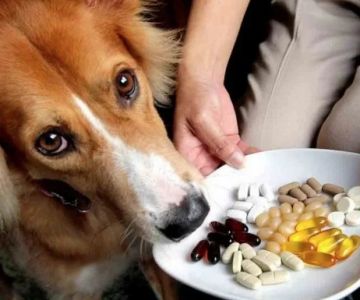
Some mild conditions can be managed at home with proper care and over-the-counter treatments. However, it’s important to always consult a veterinarian before starting any home treatments. Some safe options include:
- Diet adjustments – For gastrointestinal issues, a bland diet of boiled chicken and rice can help soothe an upset stomach.
- Flea control – Over-the-counter flea treatments, such as topical medications or flea collars, can help control flea infestations.
- Hydration – If your pet is suffering from diarrhea or vomiting, keeping them hydrated is crucial. Consider giving them water with an electrolyte solution designed for pets.
It's important to always verify with your veterinarian that any over-the-counter medications or home remedies are safe for your specific pet.
5. Preventing Common Pet Illnesses
Prevention is always better than treatment. Regular care and proactive measures can help reduce the risk of common illnesses and conditions:
- Regular checkups – Take your pet for annual veterinary checkups to catch health issues early.
- Vaccinations – Keep your pet’s vaccinations up to date to prevent infectious diseases.
- Parasite prevention – Use flea, tick, and worm preventatives to protect your pet from parasites.
- Proper nutrition – Feed your pet a balanced diet to ensure they get the nutrients they need to stay healthy.
- Exercise and mental stimulation – Regular exercise helps keep your pet in good physical condition and can reduce stress, which can lead to illness.
By following these steps, you can help ensure that your pet stays happy, healthy, and free from common illnesses.



 MainStreetVet.net5.0 (130 reviews)
 Ark Veterinary Hospital4.0 (207 reviews)
 Pet Connection4.0 (539 reviews)
 49th Street Veterinary Clinic and Pet Spa4.0 (285 reviews)
 Wallenpaupack Veterinary Clinic4.0 (625 reviews)
 Village Veterinary Care of Merton4.0 (81 reviews)
 How to Spot and Treat Stress-Related Symptoms in Pets
 Understanding Canine Eye Disorders and Prevention – Essential Information for Dog Owners
 How to Choose the Right Pet Insurance Plan | Brothers Pets
 Understanding the Importance of Year-Round Heartworm Prevention | Brothers Pets
 Tips for Maintaining Proper Hydration in Dogs: Essential Care for Your Pet
 Top 11 Tips for Parasite Prevention in Pets | Safe & Effective Methods