
- why-pet-insurance-matters-in-modern-care
- understanding-your-current-coverage
- gaps-in-coverage-you-might-not-notice
- real-story-emergency-bill-vs-insurance-policy
- how-to-reassess-and-adjust-your-plan
- finding-the-right-partners-and-resources
1. Why Pet Insurance Coverage Is More Important Than Ever
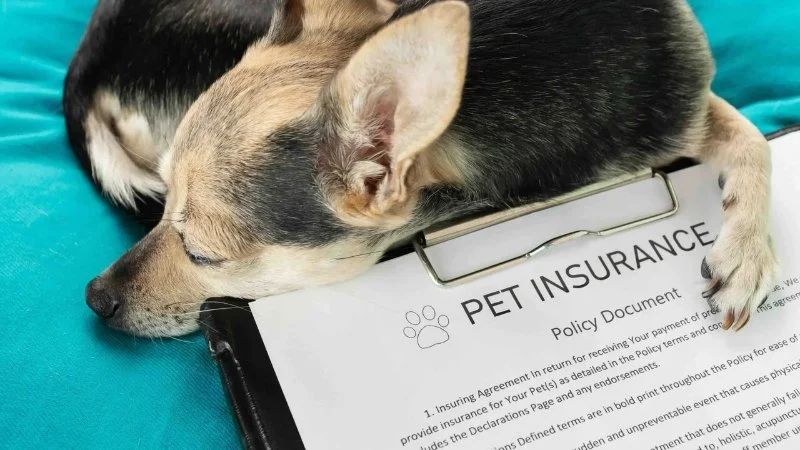
The cost of veterinary care has steadily risen, with more advanced treatments becoming available—from MRIs to cancer therapies. While this is good news for pet longevity, it means pet parents are often faced with sudden, significant bills. That’s why having reliable pet insurance coverage isn’t just smart—it’s essential.
The question is: is your pet insurance coverage really on track? A policy that seemed “good enough” last year may no longer provide the protection your furry friend needs today. From breed-specific exclusions to low annual caps, small gaps in your policy can have big consequences.
2. Taking a Closer Look at Your Existing Pet Insurance
Before you can decide if your coverage is sufficient, you need to understand exactly what it includes—and what it doesn’t. Many people sign up for pet insurance without reviewing the fine print, only to be surprised later.
2.1 What Most Policies Cover
Typical plans include accident coverage, some illness treatments, and limited diagnostics. Preventive care like vaccines and dental cleanings often require an added wellness package. It’s important to verify whether things like alternative therapies, behavioral care, or chronic condition management are included.
2.2 Age and Breed Restrictions
Some policies adjust premiums or drop coverage as your pet ages. Others exclude common hereditary conditions based on breed. If your insurance doesn’t evolve with your pet’s health needs, it might not be doing its job.
3. Hidden Gaps That Can Leave You Unprotected
Even with pet insurance in place, some expenses can fall outside your policy limits. These gaps usually show up at the worst possible time—like during a midnight emergency.
3.1 Annual and Per-Incident Caps
A $5,000 annual limit may seem generous until your pet swallows a toy and needs abdominal surgery. One major procedure could exceed your cap and leave you covering the rest out of pocket.
3.2 Waiting Periods
Most plans have waiting periods for illnesses—often 14 to 30 days—and longer delays for orthopedic conditions. That means any conditions diagnosed during that time may be denied, even if you've paid your premium.
3.3 Reimbursement Rates and Deductibles
A 70% reimbursement rate with a $500 deductible means you’ll still pay a significant chunk. Review your reimbursement structure and see if it realistically supports high-cost emergencies or long-term treatment.
4. Real Story: How a Policy Fell Short in a Critical Moment
In 2023, Stephanie W., a Boston-based pet owner, rushed her Golden Retriever Max to an emergency vet after he was hit by a cyclist. The final bill: $4,300. Her insurance policy covered accidents, but only up to $2,000 per incident.
Stephanie ended up dipping into savings to cover the difference. “I thought I was covered,” she said. “But I didn’t realize the cap was so low.” This eye-opening experience led her to switch to a more comprehensive plan that reflected Max’s active lifestyle and breed-specific risks.
5. Recalibrating Your Pet Insurance Coverage the Smart Way
If you’re unsure about your current policy, it’s time for a check-up—not just for your pet, but for your insurance too. Here’s how to start:
5.1 Match Coverage with Lifestyle and Health Profile
Is your pet active? Older? A breed with known health issues? Tailor your policy to fit real-life needs. Don’t assume a generic plan is enough—especially if you live in areas where emergency services are costly or limited.
5.2 Compare Providers Annually
Like car or health insurance, pet insurance providers change rates and benefits regularly. Take time each year to compare policies, using reputable resources or platforms to make an informed decision.
5.3 Review Exclusions Carefully
Scan your policy for any exclusions—especially around pre-existing conditions, dental work, or rehab services. Even a few clauses can dramatically change your expected payout.
6. Where to Find Help and Better Insurance Solutions
When it comes to your pet’s health, second-guessing shouldn’t be part of the plan. That’s why many pet parents trust platforms like Brothers Pets—a hub for comparing insurance providers, exploring wellness services, and finding the right product match based on your pet's age, breed, and medical history.
Whether you’re adopting a new puppy or reviewing an old policy, Brothers Pets provides access to tools and experts that simplify the process. No pushy salespeople—just personalized, data-driven recommendations that actually work for your situation.
Your pet deserves more than love—they deserve a safety net that truly supports them. Make sure your pet insurance coverage is on track today, before it’s tested tomorrow.




 Dr. Judith P. Vinson, MS, DVM4.0 (14 reviews)
 Vetco Vaccination Clinic4.0 (2 reviews)
 North Shelby County Animal Hospital4.0 (317 reviews)
 Vetco Vaccination Clinic3.0 (5 reviews)
 Boston Road Animal Clinic4.0 (167 reviews)
 PetWellClinic - Randolph Street4.0 (432 reviews)
 Best Practices for Potty Training Your Puppy Successfully
 Top 7 Tips for Pet Training: Build Positive Habits with Confidence
 Managing Senior Dog Anxiety Through Routine and Exercise
 How to Provide Proper Care for Pets with Allergies
 Traveling with Pets: Keeping Dogs and Cats Comfortable and Healthy
 How to Spot and Treat Allergies in Cats and Dogs: A Complete Guide