
- 1-Introduction to Urinary Issues in Dogs
- 2-Common Signs of Urinary Issues in Dogs
- 3-Causes of Urinary Problems in Dogs
- 4-Diagnosing Urinary Issues in Dogs
- 5-Treatment for Urinary Issues in Dogs
- 6-When to Consult a Veterinarian
- 7-How Brothers Pets Can Help
1. Introduction to Urinary Issues in Dogs
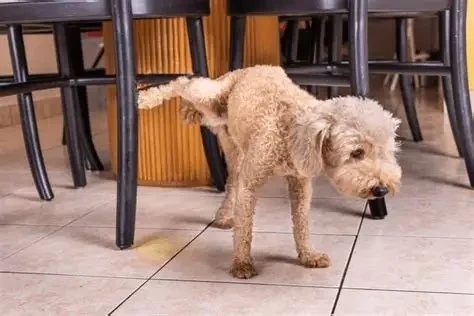
As a pet parent, it's important to keep an eye on your dog's overall health, and this includes their urinary system. Urinary issues in dogs can range from minor inconveniences to serious conditions that affect their quality of life. Recognizing the signs early can help you address the problem before it escalates. This article will guide you through understanding the causes, symptoms, and treatments for urinary issues in dogs.
2. Common Signs of Urinary Issues in Dogs
Urinary problems in dogs are often identified through specific signs that indicate discomfort or dysfunction in their urinary system. Some of the common signs to look for include:
- Frequent urination: Your dog may need to go outside more often than usual or may seem unable to hold its urine for long.
- Accidents indoors: If your dog is house-trained but starts urinating inside, this could be a sign of urinary distress.
- Blood in urine: Pink or red urine can be a sign of infection, bladder stones, or other health issues.
- Painful urination: Your dog may whine, strain, or exhibit signs of pain when attempting to urinate.
- Change in urine odor: Foul-smelling urine can be an indication of a urinary tract infection (UTI) or other issues.
- Dribbling urine: Some dogs may leak urine involuntarily due to bladder issues or neurological problems.
3. Causes of Urinary Problems in Dogs
There are several potential causes of urinary issues in dogs, ranging from infections to chronic conditions. Some of the most common causes include:
- Urinary Tract Infections (UTIs): One of the most common causes of urinary issues, UTIs can cause pain, frequent urination, and blood in the urine.
- Bladder Stones: Hard mineral deposits can form in the bladder and obstruct the flow of urine, causing discomfort and frequent urination.
- Incontinence: This can occur as dogs age, or it may be due to hormonal imbalances, especially in female dogs.
- Diabetes: Dogs with diabetes may experience excessive thirst and urination due to high blood sugar levels.
- Kidney Disease: If your dog is experiencing other symptoms like lethargy or vomiting, kidney disease might be the cause of the urinary problems.
4. Diagnosing Urinary Issues in Dogs
If you notice any of the above signs, it's important to take your dog to a veterinarian for a proper diagnosis. The vet will likely perform a physical exam and may recommend some diagnostic tests, including:
- Urinalysis: A urine test to check for infections, blood, and other abnormalities.
- Blood tests: To check for underlying health issues like kidney disease or diabetes.
- X-rays or ultrasound: To detect bladder stones, tumors, or other obstructions in the urinary tract.
5. Treatment for Urinary Issues in Dogs
The treatment for urinary issues in dogs depends on the underlying cause. Some common treatments include:
- Antibiotics: If your dog has a urinary tract infection, antibiotics may be prescribed to clear the infection.
- Medications for bladder stones: In some cases, medications can help dissolve bladder stones, but surgery may be necessary for larger ones.
- Diet changes: Special diets can help prevent or manage bladder stones or urinary tract infections.
- Incontinence medications: If incontinence is the issue, medication may help manage the condition.
6. When to Consult a Veterinarian
If you notice any signs of urinary issues in your dog, it's important to consult a veterinarian as soon as possible. Delaying treatment could lead to complications, such as kidney damage or ongoing discomfort. In cases where your dog experiences blood in their urine, painful urination, or frequent accidents, it is especially important to seek professional help.
7. How Brothers Pets Can Help
At Brothers Pets, we understand how much your dog's health matters to you. We offer a range of products and solutions to help you maintain your pet’s well-being. Whether you need special diets, medications, or advice on caring for a dog with urinary issues, we're here to support you. Visit our website to find the best products and services tailored to your dog's needs.




 Animal Medical & Surgical Hospital4.0 (144 reviews)
 Spotts View Puppies3.0 (3 reviews)
 Harper Woods Veterinary Hospital: Katlein Joel DVM4.0 (8 reviews)
 R3N3GAD3 REPTILES4.0 (64 reviews)
 All Animal Care Veterinary Hospital4.0 (378 reviews)
 Longevity Veterinary Center4.0 (384 reviews)
 The Complete Vaccination Schedule for Puppies and Kittens in the USA
 The Dos and Don'ts of Pet Grooming
 Pet Travel: What Vets Want You to Know Before You Go
 How to Recognize and Treat Arthritis in Senior Pets
 Expert Advice on Veterinary Care: Essential Tips for Pet Owners
 Pet Insurance: What Vets Want You to Know Before You Buy