
- 1. Understanding Pet Reproductive Health
- 2. Common Reproductive Issues in Pets
- 3. The Importance of Regular Veterinary Checkups
- 4. Preventive Care for Reproductive Health
- 5. Supporting Fertility in Pets
1. Understanding Pet Reproductive Health
Reproductive health is a crucial aspect of your pet's overall well-being. Just like humans, pets can face challenges with their reproductive systems, affecting their health and fertility. As a pet owner, understanding your pet's reproductive health is essential for ensuring they lead a long, healthy, and happy life. Reproductive health issues can range from hormonal imbalances to more severe conditions like infections or cancers, all of which can affect their ability to reproduce or cause discomfort. It’s important to stay informed about these issues to provide the best care for your pet.
2. Common Reproductive Issues in Pets
Pets, especially those that are not spayed or neutered, can experience various reproductive issues throughout their lives. Here are some common reproductive health problems in pets:
- Heat Cycles and Hormonal Imbalances: Female pets go through heat cycles that can lead to hormonal imbalances, causing behavioral changes, irregular cycles, or difficulty in getting pregnant.
- Pyometra: A serious infection in the uterus of unspayed female dogs and cats, pyometra can be life-threatening and often requires surgery to remove the infected uterus.
- Infertility: Male and female pets can experience infertility due to age, health conditions, or genetic factors that impact their ability to reproduce.
- Cysts and Tumors: Both male and female pets can develop reproductive system tumors or cysts, which may require medical intervention, such as surgery or hormone therapy.
3. The Importance of Regular Veterinary Checkups
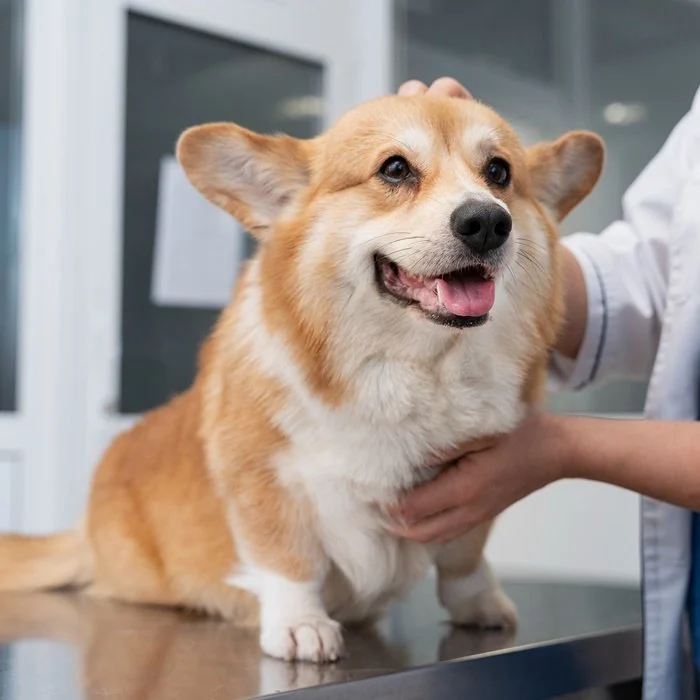
One of the most effective ways to ensure your pet's reproductive health is maintained is through regular veterinary checkups. Routine visits to the vet can help detect early signs of reproductive health issues that may not be immediately apparent. These checkups can include:
- Physical Examinations: Regular physical exams help detect any abnormalities in your pet's reproductive organs or signs of infections and diseases.
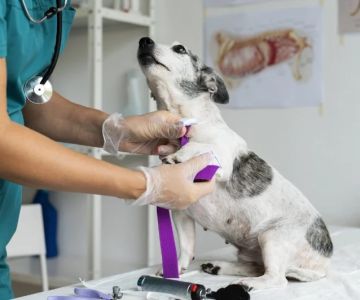
- Blood Tests: Hormonal imbalances and other reproductive-related issues can be identified through blood work, giving your veterinarian a clear understanding of your pet's overall health.
- Ultrasounds and X-rays: Imaging techniques such as ultrasounds or X-rays can detect internal issues like tumors, cysts, or other reproductive abnormalities.
4. Preventive Care for Reproductive Health
Preventive care is crucial to avoiding serious reproductive health issues in pets. Here are some important steps to take:
- Spaying and Neutering: Spaying and neutering your pet not only helps control the pet population but also reduces the risk of certain reproductive cancers and infections.
- Proper Nutrition: Ensure your pet receives a balanced diet with the right nutrients to support their reproductive health. A healthy diet can help regulate hormones and prevent obesity, which is linked to reproductive problems.
- Exercise: Regular exercise helps maintain overall health, including reproductive health. Keeping your pet at a healthy weight and encouraging physical activity can reduce the risk of reproductive health issues.
5. Supporting Fertility in Pets
If you're planning to breed your pet or if they are of breeding age, supporting fertility is important. Here are some tips for maintaining fertility in pets:
- Timing and Heat Cycles: Understanding your pet’s heat cycle can improve your chances of successful breeding. Keep track of your pet’s cycle to ensure they are bred at the optimal time.
- Regular Health Monitoring: Regular veterinary visits are even more important when breeding pets. Monitoring their reproductive health and fertility can increase the likelihood of a successful pregnancy.
- Breeding Considerations: Ensure that both the male and female are in good health before breeding. Genetic testing and health screenings can prevent passing on inherited health conditions.
For more information on caring for your pet's reproductive health or to find the best products and services for your pet, visit Brothers Pets for expert advice and recommendations.




 Piggy Pet Shop3.0 (27 reviews)
 Greenway Animal Clinic4.0 (133 reviews)
 CityVet | Frisco Lexington4.0 (78 reviews)
 Just Pets Veterinary Hospital4.0 (78 reviews)
 Valley Herd Health, LLC4.0 (16 reviews)
 Little Island Pet Store4.0 (48 reviews)
 How to Spot and Treat Liver Disease in Cats and Dogs: A Complete Guide
 Understanding Pet Parasites: Prevention and Treatment
 Preparing Your Pet for a New Baby: A Complete Guide for U.S. Families
 Common Skin Conditions in Dogs and Their Treatments | Dog Skin Care Tips
 Is Your Seasonal Pet Care on Track? | Year-Round Wellness Tips for Pets
 Top 12 Tips for Pet Diseases Every Pet Parent Should Know