
- 1. Understanding Fleas and Ticks
- 2. Preventive Measures to Protect Your Pet
- 3. Choosing the Right Flea and Tick Treatment
- 4. Natural Remedies for Flea and Tick Prevention
- 5. Real-Life Examples: Effective Protection for Pets
1. Understanding Fleas and Ticks
Fleas and ticks are more than just a nuisance; they can cause serious health issues for your pet. These external parasites can transmit diseases, cause allergic reactions, and lead to infections. Understanding the risks they pose and how they affect your pet’s well-being is crucial to protecting your furry companion.
1.1 The Risk of Fleas
Fleas are tiny, blood-sucking insects that can infest your pet and your home. In addition to causing itching and discomfort, fleas can transmit tapeworms and other parasites. Flea infestations can also lead to allergic reactions, causing your pet to suffer from hair loss, skin infections, and severe itching.
1.2 The Danger of Ticks
Ticks are another common external parasite that poses a significant threat to pets. Ticks can carry serious diseases such as Lyme disease, Ehrlichiosis, and Anaplasmosis. These diseases can lead to joint pain, fever, lethargy, and in some cases, long-term health problems. Ticks often latch onto your pet’s skin during outdoor activities, making them harder to detect.
2. Preventive Measures to Protect Your Pet
Preventing fleas and ticks from infesting your pet is far easier than treating an infestation once it occurs. Here are some important steps to take to protect your pet from these pests:
2.1 Keep Your Pet's Environment Clean
Regular cleaning of your pet’s environment is essential for flea and tick prevention. Wash your pet’s bedding, toys, and blankets regularly. Vacuum the floors and upholstery to remove any eggs, larvae, or ticks that may be hiding. This will reduce the chances of fleas and ticks making their way into your home.
2.2 Limit Outdoor Exposure
Fleas and ticks are often found in wooded or grassy areas. Limiting your pet's time in these areas can reduce the chances of them coming into contact with these pests. If you live in an area with a high tick population, be cautious when walking your dog in forests or tall grass.
2.3 Regular Grooming
Regular grooming is one of the best ways to spot fleas and ticks early. Brush your pet’s fur regularly to check for any signs of infestation. Pay special attention to areas like behind the ears, between the toes, and around the neck, where ticks and fleas are more likely to hide.
3. Choosing the Right Flea and Tick Treatment
Once you’ve identified the need to protect your pet from fleas and ticks, it’s important to choose the right treatment for their needs. Different treatments offer various benefits and effectiveness levels. Let’s take a look at some of the most common options available:
3.1 Flea and Tick Collars
Flea and tick collars are a convenient and long-lasting solution for protecting your pet. These collars release active ingredients that repel and kill fleas and ticks. Depending on the product, collars can provide protection for several months. However, it’s essential to ensure the collar fits correctly and is appropriate for your pet’s size and age.
3.2 Topical Treatments
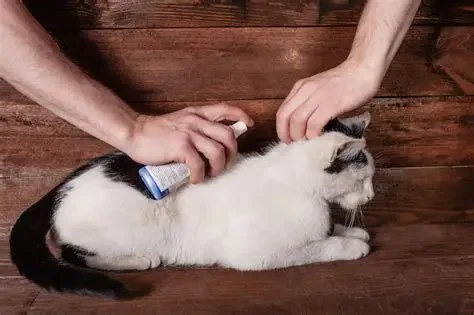
Topical treatments are applied directly to your pet’s skin, usually between the shoulder blades. These treatments offer quick protection by killing fleas and ticks on contact. They are often effective for a month, and many products also provide protection against other parasites such as mosquitoes or lice. Make sure to follow all instructions carefully and use the right dosage for your pet’s weight.
3.3 Oral Medications
Oral medications for flea and tick prevention come in tablet or chewable form. These treatments work systemically, meaning they enter your pet’s bloodstream and kill fleas and ticks when they bite your pet. Oral medications typically offer protection for a month and are often a good option for pets who dislike topical treatments or collars.
3.4 Flea and Tick Shampoos
Flea and tick shampoos can help control an infestation by killing fleas and ticks on contact. However, shampoos are generally a short-term solution and may need to be used in conjunction with other treatments for long-lasting protection. They are also ideal for pets who require frequent baths.
4. Natural Remedies for Flea and Tick Prevention
If you prefer to avoid chemicals or want to supplement conventional treatments, there are several natural remedies that can help protect your pet from fleas and ticks. While these remedies may not be as effective as traditional treatments, they can be a good complement to your pet’s overall protection plan.
4.1 Essential Oils
Certain essential oils, such as lavender, eucalyptus, and citronella, are known to repel fleas and ticks. Diluted essential oils can be sprayed onto your pet’s fur or applied to their collar. Be cautious when using essential oils, as some oils can be toxic to pets, particularly cats. Always consult with your veterinarian before using any essential oils on your pet.
4.2 Diatomaceous Earth
Diatomaceous earth (DE) is a fine powder made from the fossilized remains of marine organisms. It can be sprinkled on your pet’s fur or in areas where fleas are likely to be present. DE works by dehydrating fleas and ticks, eventually killing them. Choose food-grade DE to ensure it’s safe for pets.
4.3 Apple Cider Vinegar
Apple cider vinegar is often recommended as a natural remedy for repelling fleas. You can dilute it with water and spray it on your pet’s coat, or add a small amount to their drinking water. Apple cider vinegar can help balance your pet’s skin pH, making it less inviting to fleas and ticks.
5. Real-Life Examples: Effective Protection for Pets
Let’s take a look at a few examples of how pet owners have effectively used these methods to protect their pets from fleas and ticks:
5.1 Sarah’s Labrador and Topical Treatments
Sarah, a dog owner, found that her Labrador was constantly scratching, and after a vet visit, it was determined that her dog had fleas. Sarah started using a topical flea and tick treatment, which quickly alleviated the itching and cleared up the infestation. Since then, she applies the treatment every month, and her dog remains flea-free.
5.2 Mark’s Cat and Natural Remedies
Mark, a cat owner, was hesitant to use chemical treatments on his pet due to his cat’s sensitive skin. After discussing options with his vet, Mark started using a combination of apple cider vinegar and essential oils to repel fleas. This natural approach worked well, and Mark noticed a significant decrease in fleas and an improvement in his cat’s comfort.
Protecting your pet from fleas and ticks is essential to their health and well-being. By implementing the right preventive measures and choosing the appropriate treatment for your pet’s needs, you can keep your furry friend safe from these harmful pests. For more pet care products and services, visit Brothers Pets to find the best solutions for your pet’s health.






 Massapequa Pet Vet4.0 (189 reviews)
 UrgentVet4.0 (300 reviews)
 VCA Hanson Animal Hospital4.0 (311 reviews)
 ACTS Veterinary Care4.0 (31 reviews)
 Slaton Veterinary Hospital4.0 (106 reviews)
 DOGGIE-DRIVE-THRU..........Kitty's too!4.0 (21 reviews)
 How to Care for Pets with Special Medical Needs | Expert Tips for Pet Owners
 How to Care for Exotic Pets: Tips for Special Pet Owners
 Best Pet Carriers for Air Travel Safety and Comfort: Top Picks for Your Furry Friend
 The Best Ways to Protect Your Pet from Fleas and Ticks
 How to Keep Your Pet’s Coat Free from Mats and Tangles
 Common Allergy Symptoms in Dogs and How to Manage Them