
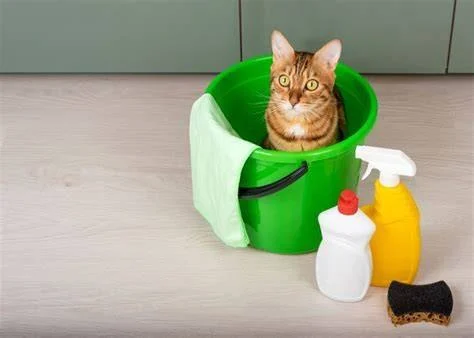
1. Why a Clean and Safe Environment is Crucial for Your Pet
Creating a clean and safe environment for your pet is essential for their health and well-being. Pets are often exposed to allergens, bacteria, and other harmful substances, which can lead to health issues if their environment isn't maintained properly. A clean space can reduce the risk of infections, allergies, and other illnesses, while a safe environment ensures that your pet stays injury-free and comfortable. Let’s explore how to create and maintain a pet-friendly space in your home.
2. How to Maintain a Clean and Safe Pet Environment
There are several steps you can take to ensure that your pet’s environment is clean, safe, and comfortable. By following these guidelines, you can help prevent unnecessary risks and provide a happy home for your furry friend.
2.1. Regular Cleaning of Pet Areas
One of the most important steps in maintaining a clean environment is regularly cleaning the areas where your pet spends the most time. This includes their bedding, food and water bowls, and toys. Wash their bedding and blankets frequently to remove dirt, hair, and potential allergens. Clean and sanitize their toys and bowls to prevent bacteria buildup, which could lead to illness.
2.2. Keep Your Pet’s Space Free from Odors
Pets, especially dogs and cats, can produce odors that accumulate over time. Keeping your pet’s space odor-free not only makes it more pleasant for them but also for your family. Use pet-safe air purifiers and deodorizers, and ensure that your pet’s area has proper ventilation. If your pet is using a crate or a designated room, make sure it’s aired out regularly to prevent odors from lingering.
2.3. Proper Disposal of Waste
Proper waste disposal is key to maintaining a clean environment. For dogs, make sure to clean up after walks and dispose of waste immediately. For cats, clean the litter box daily and replace the litter regularly to prevent odors and bacteria. This is essential for keeping the space hygienic and avoiding health risks for both your pet and family members.
3. Ensuring a Safe Environment for Your Pet
A safe environment goes hand-in-hand with cleanliness. Pets can sometimes get into trouble by chewing on unsafe items or encountering hazards in their environment. Here’s how to keep your pet safe:
3.1. Remove Potential Hazards
Inspect your home for any potential hazards that could harm your pet. This includes sharp objects, toxic plants, chemicals, and electrical cords. Keep dangerous items out of your pet’s reach, and be cautious when using household cleaners, as some may contain ingredients that are harmful to animals. Use pet-safe products whenever possible.
3.2. Provide a Safe, Designated Space
Designating a specific area for your pet can help them feel secure and prevent them from wandering into unsafe areas. This could be a crate, a pet bed, or a playpen. Having a dedicated space also makes cleaning easier and ensures your pet has a comfortable, safe place to relax.
3.3. Monitor Temperature and Humidity
Pets are sensitive to temperature changes, so it’s important to keep their environment comfortable. Make sure the temperature in your home is appropriate for your pet’s breed and size. For example, some pets, like short-haired dogs, may need extra warmth during cold months. Consider using a fan or air conditioning in warmer weather and provide blankets or warm bedding when it’s cold.
4. Creating a Pet-Friendly Outdoor Environment
If your pet spends time outdoors, ensuring their safety extends beyond the indoor environment. An outdoor space should be free from toxic plants, sharp objects, and areas where your pet could escape. Here’s how to keep your outdoor space safe:
4.1. Fence the Yard
If your pet spends time outside, make sure your yard is securely fenced to prevent them from wandering off. Check the fence regularly for gaps or holes that could allow your pet to escape. If you have a dog that likes to dig, ensure the fence goes deep enough into the ground to prevent escapes.
4.2. Keep Outdoor Areas Free from Chemicals
If you use fertilizers or pesticides in your yard, make sure they are pet-safe. Many common lawn care chemicals can be harmful to animals. Look for natural or organic alternatives that won’t put your pet’s health at risk. Additionally, always keep your pet away from areas that have been recently treated with chemicals until they are dry or safe for contact.
4.3. Safe Outdoor Toys
Provide safe outdoor toys for your pet to play with. Avoid toys with small parts that could be chewed off and swallowed, as this could pose a choking hazard. Always supervise your pet during outdoor playtime to ensure they are safe and not engaging in potentially dangerous behavior.
5. Real-Life Example: Sarah’s Pet Care Journey
Sarah, a dog owner, struggled with keeping her home clean and safe for her pet, Max, after adopting him. Max had a habit of chewing on household items, and the mess in his living space made it hard for Sarah to maintain a clean environment. After consulting with pet care experts, Sarah introduced a routine of regular cleaning, designated areas for Max’s toys and food, and pet-safe products around the house. She also set up a safe outdoor area for Max with a secure fence and pet-safe plants. Over time, Sarah noticed Max became more relaxed and happier in his environment, and Sarah found it much easier to maintain a clean and safe space for him.
6. Why Choose Brothers Pets for Your Pet Care Needs?
If you're looking for products and expert advice to help keep your pet's environment clean and safe, visit Brothers Pets. We offer a wide range of pet care products, from cleaning supplies to safe pet toys, to help you create a healthy and comfortable space for your pet. Our team is dedicated to providing high-quality solutions to ensure your pet’s well-being.




 Alta View Veterinary Clinic4.0 (355 reviews)
 Carnforth Veterinary Clinic5.0 (18 reviews)
 Turning Stone Animal Hospital4.0 (342 reviews)
 Suburban Veterinary Clinic4.0 (376 reviews)
 Thunder Road Animal Hospital4.0 (115 reviews)
 Dr. William Truesdale4.0 (284 reviews)
 What to Do If Your Pet Has a Cut or Wound: First Aid Tips
 Signs of Allergic Reactions to Vaccines in Pets
 The Importance of Regular Parasite Prevention for Pets: Protect Your Furry Friend
 Understanding Pet Allergies: Symptoms and Treatment Options | Brothers Pets
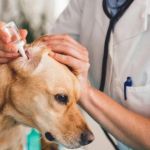 How to Safely Administer Ear Drops to Your Pet
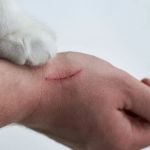 How to Prevent Dog Bites and Cat Scratches: Safety Tips for Families