
- understanding-lyme-disease-in-dogs
- symptoms-of-lyme-disease-in-dogs
- diagnosing-lyme-disease-in-dogs
- treatment-options-for-lyme-disease
- preventing-lyme-disease-in-dogs
- real-life-case-studies-of-lyme-disease
1. Understanding Lyme Disease in Dogs
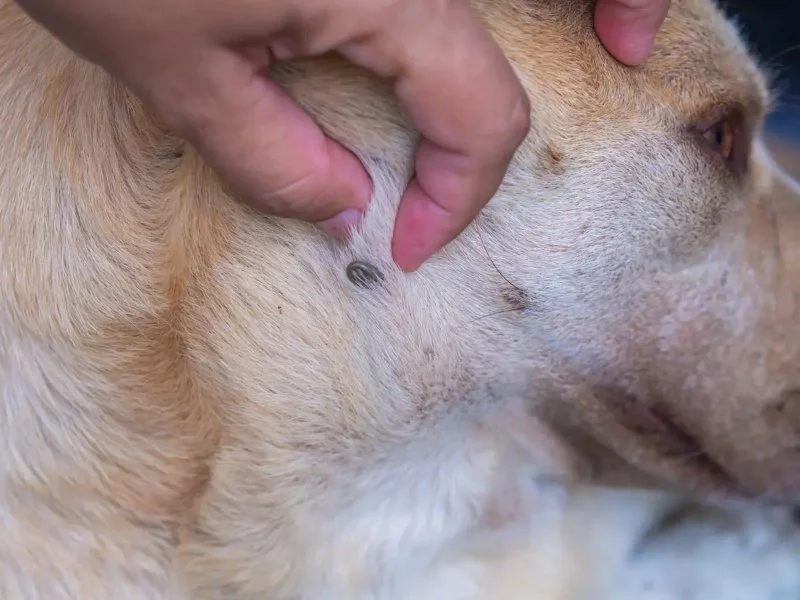
Lyme disease is a serious tick-borne illness that can affect dogs, causing a range of health issues. The disease is caused by the bacterium *Borrelia burgdorferi*, which is transmitted to dogs through the bite of an infected black-legged tick, also known as the deer tick. Lyme disease is common in certain geographic areas, particularly in wooded or grassy environments where ticks are prevalent.
1.1 How Lyme Disease Affects Dogs
Once the bacteria enter a dog's bloodstream, they can spread throughout the body, including the joints, kidneys, heart, and nervous system. If left untreated, Lyme disease can lead to severe complications, including kidney failure and long-term joint damage. Understanding the risk factors and early symptoms is key to ensuring timely treatment and preventing complications.
1.2 Risk Factors
Dogs that spend a lot of time outdoors, especially in areas where ticks are common, are at a higher risk of contracting Lyme disease. Certain breeds, such as Labrador Retrievers and German Shepherds, may also be more susceptible to the disease. It's important to monitor your dog for signs of Lyme disease if they live in or visit areas known for tick activity.
2. Symptoms of Lyme Disease in Dogs
Recognizing Lyme disease in dogs early is crucial for successful treatment. While some dogs may show symptoms right away, others might not display noticeable signs until weeks or even months after being bitten by an infected tick. Here are the most common symptoms of Lyme disease in dogs:
2.1 Lameness and Joint Pain
One of the hallmark signs of Lyme disease in dogs is lameness, often affecting one or more legs. This is caused by the bacteria attacking the dog's joints, leading to inflammation and pain. Lameness can be intermittent, meaning the dog may walk normally at times but limp at others.
2.2 Swollen Joints
Swelling in the joints is another common symptom. The inflammation caused by the bacteria can result in painful, swollen joints, which may make your dog reluctant to move or play. In some cases, the swelling may be visible and feel warm to the touch.
2.3 Fever
A fever is another common symptom, as the body reacts to the infection. Dogs with Lyme disease may appear lethargic, tired, and less interested in their normal activities. If you notice your dog feels warmer than usual or shows signs of discomfort, a fever could be present.
2.4 Loss of Appetite and Weight Loss
Lyme disease can cause a dog to lose its appetite, which may result in weight loss. This can be a sign of a more serious infection and should prompt a visit to the veterinarian if the symptoms persist for more than a couple of days.
2.5 Kidney Problems
In severe cases, Lyme disease can lead to kidney issues, which may not be immediately obvious. Symptoms like increased thirst, frequent urination, and lethargy could indicate kidney damage. This is a critical complication and requires prompt veterinary intervention.
3. Diagnosing Lyme Disease in Dogs
If you suspect your dog has Lyme disease, a visit to the veterinarian is essential for proper diagnosis and treatment. The vet will perform a physical examination and may order several tests to confirm the presence of *Borrelia burgdorferi* bacteria in your dog's system.
3.1 Blood Tests
Blood tests are commonly used to diagnose Lyme disease in dogs. The most common test is the Lyme ELISA (enzyme-linked immunosorbent assay), which detects antibodies to the bacteria. If the test is positive, further diagnostic procedures may be needed to confirm the infection.
3.2 Urine Tests
If kidney problems are suspected, your vet may conduct a urine test to check for signs of kidney damage. This is particularly important if your dog is showing symptoms like excessive thirst or urination.
4. Treatment Options for Lyme Disease
Fortunately, Lyme disease is treatable, especially when caught early. The treatment plan typically includes antibiotics to target the *Borrelia burgdorferi* bacteria and reduce the symptoms of the disease.
4.1 Antibiotics
The most common antibiotic used to treat Lyme disease in dogs is doxycycline. This medication is effective in eliminating the bacteria and can help reduce symptoms such as fever and joint pain. The treatment typically lasts between 4 to 6 weeks, depending on the severity of the infection.
4.2 Pain Management
If your dog is experiencing joint pain or inflammation, your veterinarian may prescribe pain relievers or anti-inflammatory medications to alleviate discomfort. This can help your dog regain mobility and feel more comfortable during recovery.
4.3 Supportive Care
In more severe cases, especially if kidney damage is present, your dog may need supportive care, such as fluid therapy, to prevent dehydration and manage kidney function. Monitoring your dog's overall health during treatment is essential to ensure recovery.
5. Preventing Lyme Disease in Dogs
While Lyme disease is treatable, prevention is always the best option. Here are some effective strategies to protect your dog from Lyme disease:
5.1 Tick Prevention
One of the most effective ways to prevent Lyme disease is to minimize your dog’s exposure to ticks. Use tick prevention products, such as topical treatments, collars, or oral medications, that kill ticks before they can transmit the disease. Be sure to consult with your vet about the best tick prevention strategy for your dog.
5.2 Regular Tick Checks
After outdoor activities, especially in tick-prone areas, check your dog for ticks. Pay close attention to areas where ticks are likely to attach, such as the ears, paws, and underbelly. Removing ticks promptly can reduce the risk of Lyme disease transmission.
5.3 Vaccination
In certain areas, there are Lyme disease vaccines available for dogs. While not 100% effective, the vaccine can reduce the risk of infection if your dog is exposed to ticks. Speak with your veterinarian to determine if this vaccine is right for your dog based on your location and lifestyle.
6. Real-Life Case Studies of Lyme Disease
Many dog owners have faced Lyme disease with their pets, and their experiences can provide valuable insight into the diagnosis, treatment, and prevention of the disease. Here’s a real-life case:
6.1 Case Study: Max the Labrador
Max, a 4-year-old Labrador Retriever, started limping and appeared lethargic after a hiking trip. His owner, concerned about his symptoms, took him to the vet, where he was diagnosed with Lyme disease after a blood test. Max received a 6-week course of doxycycline and pain management for his joint issues. After treatment, Max returned to his normal energetic self, and his owner learned the importance of tick prevention and regular vet checkups.
If you want to ensure your dog’s health and safety from Lyme disease, visit Brothers Pets for expert advice, prevention products, and more. Taking preventative measures can help protect your dog from this potentially serious illness.






 North Avenue Animal Hospital4.0 (218 reviews)
 Jefferson Animal Clinic4.0 (401 reviews)
 Banfield Pet Hospital4.0 (253 reviews)
 Dearborn Animal Clinic4.0 (289 reviews)
 PetShield0.0 (0 reviews)
 Friends Fur-Ever Pet Food & Supplies4.0 (295 reviews)
 How to Identify and Treat Allergic Dermatitis in Cats | Expert Tips
 How to Improve Your Puppy & Kitten Care: Essential Tips for New Pet Owners
 How to Calm Anxious Pets During Fireworks: Expert Tips for Pet Owners
 How to Spot and Treat Kidney Disease in Pets
 How to Spot and Treat Pet Ear Infections - A Complete Guide for Pet Owners
 Understanding Canine Diabetes and Dietary Needs | Managing Your Dog’s Health