

Understanding Flea Infestations
Fleas are one of the most common pests that affect pets, especially cats and dogs. These tiny parasites thrive on the blood of their hosts, causing irritation and potential health problems. Fleas can multiply rapidly, leading to full infestations that can spread not only on pets but throughout the home. Understanding how fleas infest pets is crucial in preventing and dealing with these pests effectively.
Fleas are highly adaptable, and they can survive on various animals, including wild animals and even humans in extreme cases. A flea infestation can be frustrating for both pets and pet owners. Fleas can lead to discomfort, skin infections, and even more severe health conditions if left untreated.
Common Signs of Flea Infestation
Detecting fleas early is essential to preventing a widespread infestation. Some of the common signs that your pet may have fleas include:
1. Scratching and Itching
Excessive scratching and itching are one of the first signs that your pet might be dealing with fleas. Fleas bite into the skin to feed on blood, causing irritation. If you notice your pet scratching more than usual, particularly around the neck, back, or tail, it’s time to check for fleas.
2. Visible Fleas or Flea Dirt
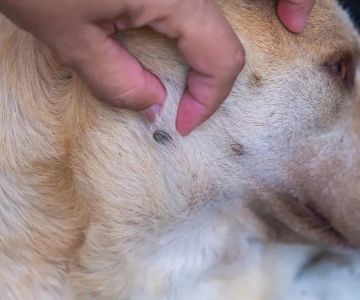
Flea dirt, which looks like tiny black specks on your pet's coat, is a telltale sign of fleas. Fleas themselves may be visible on your pet’s fur, particularly around areas like the ears, tail, and belly. To check for flea dirt, rub a damp paper towel over your pet's coat—if you see small, dark specks, they could be flea droppings (digested blood).
3. Hair Loss or Hot Spots
Fleas can cause your pet to scratch, lick, or bite excessively, leading to hair loss and hot spots—areas of irritated, inflamed skin. If left unchecked, flea bites can result in secondary infections, which can make the problem worse.
4. Anemia
In severe cases, flea infestations can lead to anemia, especially in puppies or kittens. Since fleas feed on blood, a large number of fleas can cause significant blood loss, leading to symptoms like lethargy, pale gums, and weakness.
How to Treat Flea Infestations in Pets
If you suspect that your pet has fleas, it’s important to take action immediately. Here are some steps you can take to treat flea infestations effectively:
1. Treat the Pet with Flea Treatments
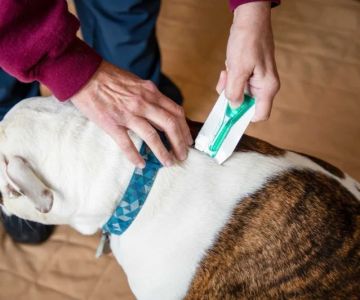
Start by using flea treatments designed for pets. These treatments come in various forms, including topical treatments, oral medications, and flea collars. Ensure that the treatment you choose is appropriate for your pet’s age, weight, and health condition. Follow the instructions carefully to ensure it is effective and safe.
2. Bathe Your Pet
A bath with a flea shampoo can help remove fleas from your pet’s fur. Flea shampoos are specifically designed to kill fleas and soothe your pet's irritated skin. After bathing, comb through your pet’s fur with a fine-toothed flea comb to remove any remaining fleas or eggs.
3. Wash Bedding and Toys
Fleas can live in your pet’s bedding, toys, and other personal items. Wash these items in hot water to kill fleas and their eggs. Vacuum your home thoroughly, paying special attention to areas where your pet spends most of its time, such as their bed, carpets, and furniture.
4. Consult Your Veterinarian
If the infestation is severe or if your pet is showing signs of anemia or secondary infections, it’s important to consult a veterinarian. A vet can prescribe stronger medications and recommend additional treatments to help manage the infestation and ensure your pet’s health.
Preventing Flea Infestations
While treating fleas is important, preventing them from returning is essential for long-term peace of mind. Here are some tips to keep fleas at bay:
1. Year-Round Flea Prevention
Many flea treatments are designed for long-term prevention. Consider using flea preventatives year-round to keep your pet safe, even during the off-season. Your veterinarian can recommend the best flea prevention plan based on your pet’s needs.
2. Regular Cleaning and Vacuuming
Keep your home clean by vacuuming regularly, especially in areas where your pet spends the most time. Regular cleaning removes flea eggs, larvae, and adult fleas from the environment. Wash your pet’s bedding weekly to prevent fleas from re-infesting.
3. Limit Exposure to Fleas
Limit your pet’s exposure to areas where fleas are likely to be present, such as tall grasses, wooded areas, or places where other animals may be infested. If your pet spends a lot of time outside, regular flea treatments are even more important.
Recommended Products for Flea Control
Using the right products can make a big difference in controlling flea infestations. At Brothers Pets, we offer a wide range of effective flea treatments and prevention products. Here are some options to consider:
1. Topical Flea Treatments
Topical flea treatments are applied directly to your pet’s skin and are effective in killing fleas and preventing re-infestation. Popular options include brands like Frontline and Advantage, which offer monthly treatments that protect your pet from fleas, ticks, and other pests.
2. Oral Flea Medications
Oral flea medications, such as Capstar and Comfortis, are another option for flea control. These medications are ingested by your pet and work to kill fleas quickly. Oral medications are convenient and fast-acting, making them a great choice for pets with severe infestations.
3. Flea Collars
Flea collars provide long-lasting protection against fleas by releasing ingredients that repel and kill fleas. They are easy to use and provide continuous protection for several months.
For more information and to find the right flea prevention products for your pet, visit Brothers Pets. We offer expert advice and top-rated products to help you keep your pet flea-free.




 Primary Pet Care4.0 (584 reviews)
 Doc·Side Veterinary Medical Center4.0 (377 reviews)
 Hanover Animal Hospital4.0 (207 reviews)
 Merry Forest Animal Hospital4.0 (50 reviews)
 Lakeside Veterinary5.0 (119 reviews)
 Passionate Paws Animal Hospital4.0 (303 reviews)
 The Ultimate Guide to Safe Dog Toys for Chewers
 How to Deal with Pet Allergies in a Multi-Pet Household
 How to Prevent and Treat Urinary Tract Issues in Cats and Dogs
 How to Help Your Pet Cope with the Loss of a Companion
 Easy Homemade Cat Toys That Promote Exercise | Fun & Healthy Ideas for Your Cat
 What You Need to Know About Pet Insurance: Choosing the Right Plan