
Managing Feline Diabetes Through Diet and Monitoring
- 1. Introduction to Feline Diabetes
- 2. The Importance of Diet in Managing Feline Diabetes
- 3. Monitoring Blood Sugar Levels: Key to Control
- 4. Recommended Foods for Diabetic Cats
- 5. How to Track Your Cat’s Health Progress
- 6. Working with Your Veterinarian for Optimal Care
- 7. Case Study: Managing Feline Diabetes Successfully
- 8. Tips for Keeping Your Cat Comfortable
- 9. Conclusion and Next Steps
1. Introduction to Feline Diabetes
Diabetes in cats is becoming more common, especially among older cats. Just like in humans, feline diabetes occurs when the body is unable to regulate blood sugar levels. Understanding how to manage feline diabetes is essential for maintaining your cat's quality of life. This article will explore the best strategies for managing diabetes in cats, including the role of diet and consistent monitoring.
2. The Importance of Diet in Managing Feline Diabetes
One of the most important aspects of managing feline diabetes is adjusting your cat's diet. A balanced, low-carb, high-protein diet can help regulate blood sugar levels and reduce insulin resistance. Avoid feeding your cat sugary treats or high-carbohydrate foods, as these can spike their blood sugar levels. Consult with your veterinarian to design a tailored diet plan that suits your cat’s specific health needs.
3. Monitoring Blood Sugar Levels: Key to Control
Regularly monitoring your cat’s blood sugar levels is crucial to managing their diabetes effectively. Your veterinarian may recommend using a glucose meter or continuous glucose monitor. Monitoring helps identify trends in blood sugar fluctuations and enables you to adjust treatment plans as needed. Regular checkups will help ensure that your cat's diabetes is under control.
4. Recommended Foods for Diabetic Cats
There are several specialized cat foods designed specifically for diabetic pets. These foods often feature a low-glycemic index and are rich in fiber and protein, which help maintain steady blood glucose levels. Look for high-quality wet food options or ask your veterinarian for specific brand recommendations that fit your cat’s health profile.
5. How to Track Your Cat’s Health Progress
To track your cat’s health, it’s important to keep a close eye on their weight, energy levels, and overall behavior. Keep a diary of their food intake, insulin injections, and any noticeable changes in their behavior or physical condition. This information will be valuable to your veterinarian for adjusting the treatment plan as needed.
6. Working with Your Veterinarian for Optimal Care
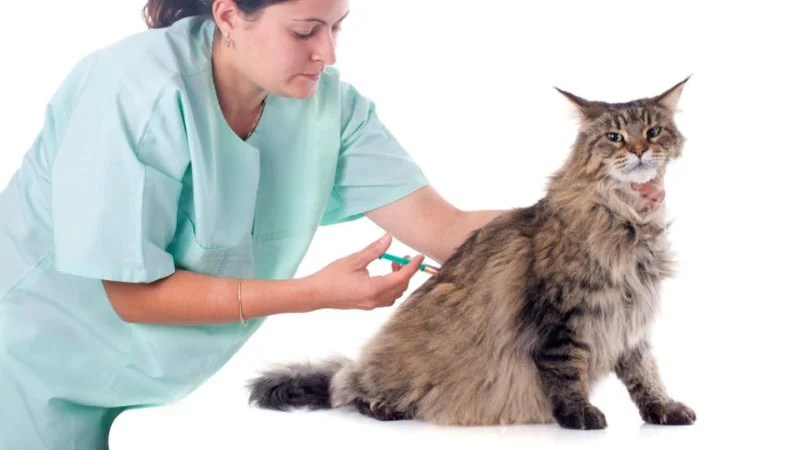
Regular veterinary visits are essential to managing feline diabetes. Your vet will conduct necessary tests and monitor your cat’s progress. They may recommend insulin injections, dietary adjustments, and other treatments based on your cat’s health status. Working closely with your veterinarian ensures the best possible care for your cat.
7. Case Study: Managing Feline Diabetes Successfully
Consider the case of “Whiskers,” a 10-year-old tabby cat diagnosed with diabetes. By adjusting her diet, implementing regular insulin injections, and consistently monitoring her blood sugar levels, her owner was able to keep Whiskers’ condition under control. This case highlights the effectiveness of a balanced approach that includes proper nutrition and regular veterinary care.
8. Tips for Keeping Your Cat Comfortable
Managing feline diabetes can be overwhelming, but it’s important to ensure that your cat stays comfortable throughout the process. Provide a quiet, calm environment for your cat to relax and recover. Offer them their favorite cozy spots to rest, and use stress-reduction techniques like gentle petting to ease their anxiety.
9. Conclusion and Next Steps
Managing feline diabetes involves consistent care, diet management, and regular monitoring. With the right approach, you can help your cat live a long and happy life. Always stay in close communication with your veterinarian and stay informed about the latest treatments and dietary recommendations for diabetic cats.





 Veterinary Dermatology of Richmond4.0 (63 reviews)
 Chesapeake Veterinary Referral Center (CVRC)4.0 (76 reviews)
 Denton Veterinary Center4.0 (1430 reviews)
 Ashton Animal Clinic4.0 (243 reviews)
 Little Island Pet Store4.0 (48 reviews)
 Augusta Animal Hospital4.0 (157 reviews)
 The Dos and Don'ts of Pet Behavior: A Practical Guide for Pet Owners
 Why Pet Insurance Can Save You Thousands in Emergency Vet Bills
 How to Prevent Obesity in Small Dog Breeds: Tips for a Healthy Weight
 Best Ways to Treat and Prevent Hot Spots on Dogs and Cats
 How to Identify and Treat Allergic Dermatitis in Cats | Expert Tips
 How to Recognize and Treat Hyperthyroidism in Cats