
- 1. What is Hypothermia in Pets?
- 2. How to Recognize Hypothermia in Pets
- 3. How to Treat Hypothermia in Pets
- 4. Preventing Hypothermia in Pets During Cold Weather
- 5. When to See a Veterinarian for Hypothermia
1. What is Hypothermia in Pets?
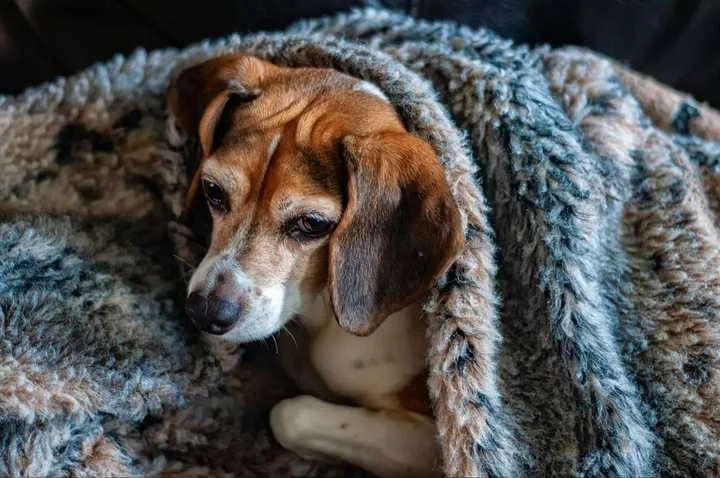
Hypothermia in pets occurs when their body temperature drops below normal levels, typically due to prolonged exposure to cold weather. Unlike humans, pets may not instinctively seek warmth or take shelter when exposed to extreme temperatures. When this happens, the body’s normal processes slow down, and organs can be damaged if the condition is not addressed quickly.
Understanding hypothermia is crucial for pet owners, especially during the winter months or when your pet spends a significant amount of time outdoors. Symptoms can range from mild to severe, and early detection and intervention are key to ensuring your pet's health and safety.
2. How to Recognize Hypothermia in Pets
Recognizing the symptoms of hypothermia in pets is vital for preventing serious health issues. The most common signs to watch for include:
- Shivering: A common early sign that your pet is cold.
- Weakness or lethargy: Pets may appear tired, slow, or disoriented.
- Cold ears, paws, or tail: These areas may feel cold to the touch.
- Pale or blue gums: A sign that oxygen is not circulating properly.
- Shallow breathing: Difficulty breathing may occur as the body struggles to stay warm.
- Unresponsiveness: In severe cases, pets may stop responding to stimuli or become unconscious.
If you notice any of these signs, it's important to act quickly to warm up your pet and seek veterinary assistance if necessary. The earlier you intervene, the better your pet’s chances of recovery.
3. How to Treat Hypothermia in Pets
If you suspect your pet has hypothermia, you can take immediate steps to help them recover:
- Move your pet to a warmer environment: Bring them indoors or into a heated vehicle to protect them from further cold exposure.
- Wrap your pet in warm blankets: Use blankets, towels, or a pet heating pad to gradually warm their body. Avoid direct contact with heating pads or hot water bottles to prevent burns.
- Offer warm, non-alcoholic fluids: Gently offer your pet warm (not hot) water or broth, but avoid forcing them to drink if they are too weak or disoriented.
- Gradually warm your pet: Avoid rapid warming, as it can cause shock. Warm your pet slowly, starting from their chest and working towards their paws and tail.
Be sure to monitor your pet closely during this process. If your pet does not improve or shows severe symptoms such as difficulty breathing or unresponsiveness, seek immediate veterinary care.
4. Preventing Hypothermia in Pets During Cold Weather
Preventing hypothermia is often easier than treating it. Here are a few tips to protect your pets during colder months:
- Limit outdoor exposure: Avoid letting your pet stay outside for long periods when the temperature is low. Short walks and potty breaks are fine, but make sure they are not exposed to the cold for too long.
- Dress your pet warmly: Consider using pet clothing such as sweaters or jackets to help keep your pet warm, especially for smaller dogs or those with short fur.
- Provide shelter: If your pet spends time outside, make sure they have access to a warm, dry, and sheltered area to protect them from wind and rain.
- Check their paws: Snow and ice can get stuck in your pet’s paws, causing discomfort and possible frostbite. After outdoor play, check and clean their paws to remove ice or salt.
By taking these precautions, you can help ensure that your pet remains safe and comfortable during the colder months.
5. When to See a Veterinarian for Hypothermia
If you’ve noticed signs of hypothermia and your pet’s condition doesn’t improve after trying at-home remedies, it’s important to contact a veterinarian right away. In severe cases, hypothermia can lead to organ failure or even death, so it’s better to be safe than sorry.
Veterinarians have the proper tools to assess your pet’s body temperature, provide intravenous fluids, and perform other necessary treatments to help stabilize your pet's condition. If you’re unsure whether your pet needs veterinary care, don’t hesitate to call for advice.
By understanding the signs of hypothermia and acting quickly, you can prevent serious complications and keep your pet safe during the winter. To learn more about pet care and find trusted veterinary services, visit Brothers Pets.



 Dermatology for Animals - Long Island5.0 (4 reviews)
 Oceana Veterinary Clinic4.0 (259 reviews)
 PetVet Vaccination Clinic0.0 (0 reviews)
 CÉLISTAIL0.0 (0 reviews)
 Royal Treatment Veterinary Center, Wilmette5.0 (2 reviews)
 Fish Happens4.0 (326 reviews)
 How to Provide Comfort and Care for Your Pet During Illness: Essential Tips for Pet Owners
 The Ultimate Guide to Veterinary Advice
 Safe and Effective Diet Plans for Overweight Dogs Recommended by Veterinarians | Brothers Pets
 Top 7 Tips for Pet Safety Every Owner Should Know
 How to Handle Pet Emergencies: A Step-by-Step Guide
 Preventing Tartar, Bad Breath, and Gum Disease in Dogs | Dog Dental Care Tips