
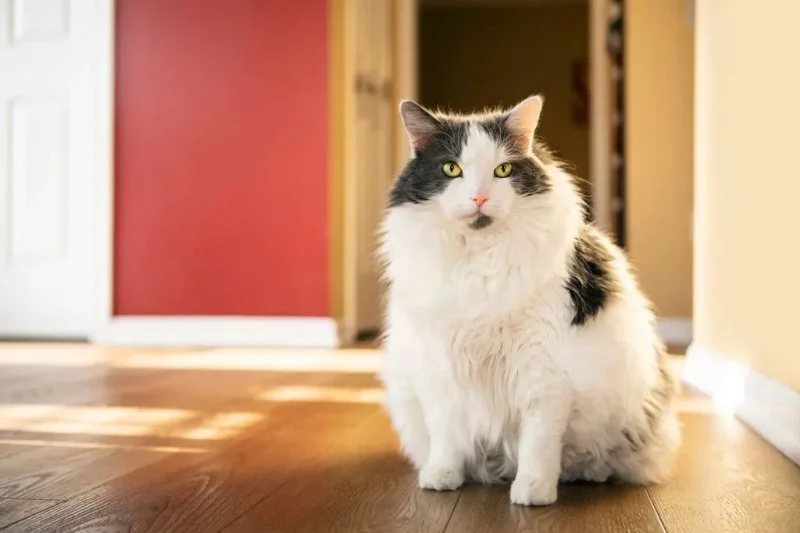
- Understanding Obesity in Indoor Cats
- Signs Your Indoor Cat May Be Overweight
- Preventive Measures for Obesity in Cats
- How to Manage Obesity in Indoor Cats
- The Role of Diet and Exercise in Preventing Obesity
- When to Consult Your Vet
- Brothers Pets: Your Resource for Pet Health and Wellness
Understanding Obesity in Indoor Cats
Obesity is a common but preventable condition in indoor cats. Just like in humans, when a cat consumes more calories than it burns, it leads to excess weight gain. Unlike outdoor cats, who engage in more physical activities, indoor cats have a tendency to lead sedentary lives, making them more prone to obesity. Left unmanaged, obesity can lead to serious health issues such as diabetes, arthritis, and heart disease.
Signs Your Indoor Cat May Be Overweight
Recognizing the signs of obesity in your indoor cat is the first step in preventing further complications. Some common signs that your cat may be overweight include:
- Visible fat rolls: Check around the belly, thighs, and chest for noticeable fat deposits.
- Lack of energy: Overweight cats may become lethargic and may not be as playful as they once were.
- Difficulty jumping or climbing: Excess weight can hinder your cat's ability to jump or climb with ease.
- Breathing difficulties: Overweight cats may pant or have trouble breathing, especially after mild exertion.
Preventive Measures for Obesity in Cats
The best way to handle obesity is to prevent it in the first place. Here are some effective measures you can take to keep your indoor cat healthy and prevent weight gain:
- Provide balanced meals: Feed your cat a balanced, portion-controlled diet based on their age, weight, and activity level.
- Limit treats: Treats should make up no more than 10% of your cat’s daily caloric intake.
- Interactive play: Engage your cat in daily play sessions with toys, such as feather wands or laser pointers, to keep them active.
- Encourage movement: Set up a cat tree or scratching posts to encourage climbing and jumping.
How to Manage Obesity in Indoor Cats
If your cat is already overweight, there are several steps you can take to manage their weight and improve their overall health:
- Consult your vet: Your vet can assess your cat’s health and create a personalized weight-loss plan.
- Switch to a weight-management diet: Specially formulated weight-control cat food can help your cat lose weight safely.
- Exercise routine: Start slow with exercise, gradually increasing playtime and movement to help burn calories.
- Monitor food intake: Measure out your cat’s food to ensure they’re eating the right amount each day.
The Role of Diet and Exercise in Preventing Obesity
Diet and exercise are the most important factors in managing and preventing obesity in cats. A healthy diet, with the right balance of nutrients and portion control, is essential. Pairing a healthy diet with regular physical activity helps keep your cat fit and prevents excess weight gain. You can use toys, playtime, and even puzzle feeders to make exercise fun and engaging for your cat.
When to Consult Your Vet
If you’re concerned about your cat’s weight, or if you’ve noticed any of the signs of obesity, it’s important to consult your vet. A vet can assess your cat’s overall health, run necessary tests, and provide guidance on diet, exercise, and lifestyle changes to help your cat achieve and maintain a healthy weight. Regular check-ups are essential to monitor progress and address any health concerns early on.
Brothers Pets: Your Resource for Pet Health and Wellness
At Brothers Pets, we understand the importance of keeping your pets healthy and happy. Whether you're looking for advice on managing your cat’s weight, or you need high-quality pet food and toys to help with their fitness, we offer a wide range of products and services. Visit us today to learn more and find the best resources for your cat’s health and wellness!





 Kingfish Aquarium Services4.0 (8 reviews)
 Puppy Time3.0 (2 reviews)
 Sunshine Animal Hospital4.0 (504 reviews)
 PetVet Vaccination Clinic0.0 (0 reviews)
 Bonnie Brown, VMD, CCRP, CCRT0.0 (0 reviews)
 Bourbon County Veterinary Clinic0.0 (0 reviews)
 Easy Homemade Cat Toys That Promote Exercise | Fun & Healthy Ideas for Your Cat
 The Dos and Don'ts of Pet Behavior: A Practical Guide for Pet Owners
 Top 10 Tips for Pet Mental Health That Every Owner Should Know
 How to Care for Your Pet During Hot Weather: Essential Tips for Pet Owners
 Top 11 Tips for Pet Adoption Every Future Owner Should Know
 How Annual Wellness Exams Can Add Years to Your Pet’s Life in the US