
- 1. The Importance of Keeping Your Cat’s Coat Healthy
- 2. Key Factors That Affect Your Cat’s Coat Health
- 3. Grooming Tips to Keep Your Cat’s Coat Shiny
- 4. Nutritional Tips to Support a Healthy and Shiny Coat
- 5. Common Cat Coat Problems and How to Solve Them
- 6. Why Choose Brothers Pets for Your Cat’s Coat Care
1. The Importance of Keeping Your Cat’s Coat Healthy
Your cat’s coat is more than just a beautiful feature of their appearance—it’s a reflection of their overall health. A shiny, well-maintained coat indicates that your cat is healthy and well taken care of, while a dull, dry, or matted coat can signal potential health issues such as poor diet, stress, or even underlying medical conditions.
Keeping your cat’s coat healthy is essential not just for aesthetics, but also for their comfort and well-being. A clean and healthy coat protects them from the elements, regulates their body temperature, and helps prevent skin infections. In this article, we’ll explore how to maintain a shiny and healthy coat for your cat, including grooming techniques, diet recommendations, and common issues to watch out for.
2. Key Factors That Affect Your Cat’s Coat Health
Several factors can impact your cat’s coat health. Understanding these factors will help you take the right steps to maintain a shiny, smooth fur coat for your cat:
- Genetics: Just like people, cats have different fur types. Some cats have naturally shinier coats due to their breed, while others may have more coarse or thinner fur.
- Diet: A balanced diet is essential for healthy skin and fur. If your cat is lacking essential nutrients, it can result in a dull, dry coat.
- Grooming: Regular grooming is key to keeping your cat’s coat free from tangles, mats, and dirt. Cats who are not groomed regularly may develop a lackluster coat.
- Health Conditions: Underlying health issues, such as allergies, parasites, or thyroid imbalances, can affect the quality of your cat’s coat.
- Environmental Factors: Seasonal changes and extreme weather conditions can also impact your cat’s coat. For example, a winter coat may become thicker during cold months, while summer weather might lead to shedding.
By addressing these factors, you can ensure your cat’s coat stays healthy and beautiful all year round.
3. Grooming Tips to Keep Your Cat’s Coat Shiny
Proper grooming is essential to maintaining a shiny, healthy coat for your cat. Here are some expert tips from pet care professionals on how to groom your cat for optimal fur health:
- Brush Regularly: Brushing your cat’s coat regularly helps remove dead hair, dirt, and tangles. Long-haired cats may need more frequent brushing to prevent mats, while short-haired cats benefit from brushing at least once a week to maintain a sleek coat.
- Use the Right Brush: The type of brush you use depends on your cat’s coat length. Use a fine-toothed comb or soft-bristle brush for short-haired cats, and a wide-toothed comb or slicker brush for long-haired breeds.
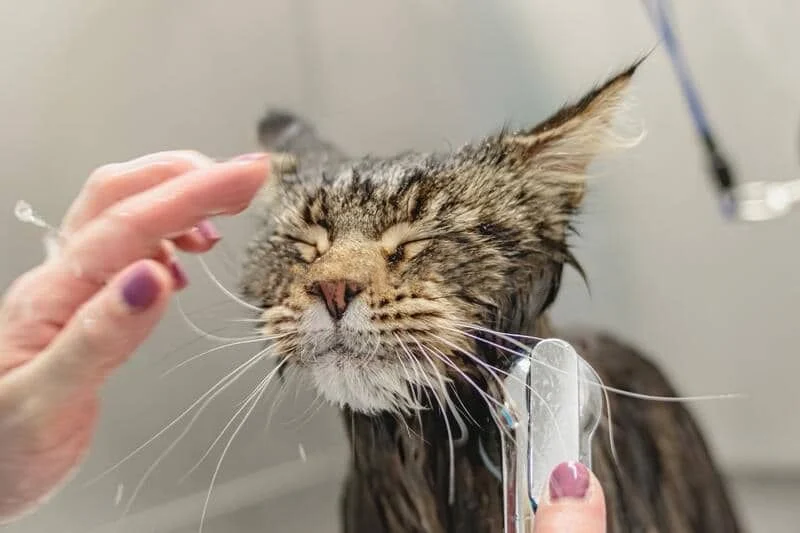
- Bathtime (Occasionally): Although cats generally groom themselves, occasional baths can help keep their coat shiny. Use a cat-friendly shampoo, and ensure that the water is warm, not hot, to avoid discomfort.
- Keep Their Ears Clean: Dirty ears can affect overall health, which in turn can affect your cat’s coat. Use a damp cloth to wipe their ears regularly.
- Check for Ticks and Fleas: Parasites like ticks and fleas can cause significant damage to your cat’s coat. Regularly check your cat’s fur and skin for signs of fleas or other pests.
Regular grooming not only helps keep your cat’s coat shiny but also allows you to spot potential health issues early, such as skin infections or lumps that need attention.
4. Nutritional Tips to Support a Healthy and Shiny Coat
Diet plays a crucial role in the health of your cat’s coat. A well-balanced diet ensures that your cat gets the necessary nutrients for healthy skin and fur. Here are some nutritional tips for promoting a shiny coat:
- Omega-3 and Omega-6 Fatty Acids: These essential fatty acids are critical for healthy skin and coat. Look for cat food that contains fish oils or flaxseeds, which are high in Omega-3 fatty acids, and chicken or sunflower oil for Omega-6.
- High-Quality Protein: Protein is essential for hair growth and overall skin health. Choose cat food with high-quality protein sources like chicken, turkey, or fish.
- Vitamins and Minerals: Ensure your cat’s food includes vitamins like A and E, which help maintain healthy skin and a shiny coat. Zinc is also vital for preventing hair loss and promoting healthy fur.
- Hydration: Proper hydration is essential for your cat’s skin health. Always provide fresh water for your cat and consider adding wet food to their diet for additional hydration.
By feeding your cat a well-balanced diet with these key nutrients, you can support their coat’s natural shine and vitality.
5. Common Cat Coat Problems and How to Solve Them
Even with the best care, some cats may face coat-related issues. Here are some common problems and how to address them:
- Shedding: Excessive shedding can be a problem, especially during seasonal changes. Regular grooming, a balanced diet, and ensuring your cat is free from parasites can help control shedding.
- Matted Fur: Matted fur is common in long-haired cats and can cause discomfort. Regular brushing and using detangling sprays can prevent mats from forming.
- Dry, Flaky Skin: Dry skin can result from environmental factors or a lack of essential fatty acids. Adding Omega-3 supplements to your cat’s diet and using moisturizing cat shampoos can help alleviate dry skin.
- Hot Spots: Hot spots are irritated, inflamed areas of skin that can develop from itching or allergies. If your cat has hot spots, visit the vet for proper treatment, which may include topical medications or a change in diet.
If your cat is experiencing any of these problems, it’s important to take action early to prevent more serious issues down the line.
6. Why Choose Brothers Pets for Your Cat’s Coat Care
If you want the best products to maintain your cat’s coat health, look no further than Brothers Pets. We offer a range of high-quality grooming tools, supplements, and nutrition products designed to support your cat’s coat and skin health. From shampoos and conditioners to brushes and Omega-3 supplements, we have everything you need to keep your cat looking and feeling their best.
Visit Brothers Pets today to explore our products and provide your cat with the care they deserve!




 Hampton Cove Animal Hospital & Covepets4.0 (508 reviews)
 Harmony Animal Hospital3.0 (345 reviews)
 Belton Veterinary Clinic4.0 (1622 reviews)
 Forest Home Animal Clinic: Erica Peck, DVM0.0 (0 reviews)
 Wet Pets LLC4.0 (321 reviews)
 Vanderloo & White Animal Hospital4.0 (112 reviews)
 How to Prevent and Treat Allergies in Pets
 Benefits of Omega-3 Fatty Acids for Pets: Boosting Health and Wellness
 The Dos and Don'ts of Pet Behavior: A Practical Guide for Pet Owners
 How to Create a Pet-Friendly Home for Your Furry Friends
 The Ultimate Guide to Pet Safety: Protecting Your Pet Every Day
 How to Encourage Healthy Eating Habits in Puppies – Brothers Pets