
- 1-Understanding-Feline-Hyperthyroidism
- 2-Common-Symptoms-and-Warning-Signs
- 3-Diagnosing-Hyperthyroidism-in-Cats
- 4-Treatment-Options-for-Feline-Hyperthyroidism
- 5-Medication-Management-and-Monitoring
- 6-Dietary-Considerations-and-Nutritional-Support
- 7-Surgical-and-Radioactive-Therapies
- 8-Preventing-Complications-and-Follow-Up-Care
- 9-Home-Care-Tips-for-Hyperthyroid-Cats
- 10-Long-Term-Health-Strategies
1. Understanding Feline Hyperthyroidism
Feline hyperthyroidism is one of the most common endocrine disorders in older cats, caused by an overproduction of thyroid hormones. These hormones regulate metabolism, so excessive levels can lead to weight loss, increased appetite, and cardiovascular stress.
1.1 Causes of Hyperthyroidism
The primary cause is usually a benign tumor of the thyroid gland. Environmental factors and dietary influences may also contribute. Understanding the root cause is crucial for determining the appropriate treatment strategy.
2. Common Symptoms and Warning Signs
Early recognition of symptoms allows for prompt intervention.
2.1 Physical Symptoms
Weight loss despite increased appetite, unkempt fur, rapid heartbeat, and hyperactivity are common indicators of feline hyperthyroidism.
2.2 Behavioral Changes
Some cats may display restlessness, increased vocalization, or changes in litter box habits. Observing your cat’s behavior closely can help identify early warning signs.
3. Diagnosing Hyperthyroidism in Cats
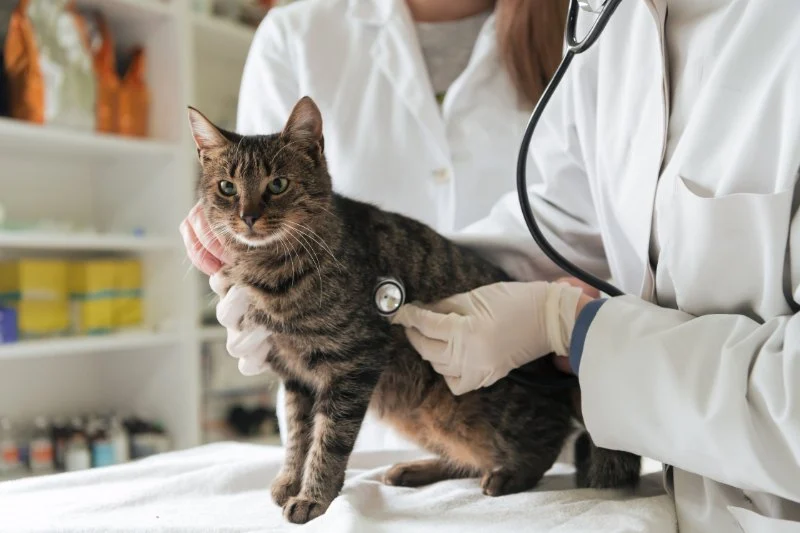
Diagnosis involves a combination of physical examination, blood tests, and sometimes imaging.
3.1 Blood Tests
Measuring total and free T4 hormone levels is the standard diagnostic approach. Elevated T4 levels typically confirm hyperthyroidism.
3.2 Additional Diagnostics
In some cases, ultrasound or scintigraphy may be used to identify thyroid nodules and assess the extent of disease.
4. Treatment Options for Feline Hyperthyroidism
Treatment can be tailored to the cat’s age, overall health, and severity of symptoms.
4.1 Medical Therapy
Antithyroid medications, such as methimazole, are commonly prescribed to control hormone production. Regular monitoring is required to ensure proper dosing and minimize side effects.
4.2 Nutritional Therapy
Prescription diets low in iodine can support thyroid health and may be effective in controlling hormone levels in some cases.
5. Medication Management and Monitoring
Long-term medication requires careful attention.
5.1 Dosing and Compliance
Follow veterinary instructions closely and maintain a consistent schedule. Abrupt changes can destabilize hormone levels and affect overall health.
5.2 Routine Blood Work
Periodic T4 checks help track treatment effectiveness and adjust dosing as needed.
6. Dietary Considerations and Nutritional Support
Proper nutrition complements medical therapy. Feeding a high-quality diet supports weight maintenance and overall wellness. Consulting with your veterinarian ensures dietary choices are safe for cats with hyperthyroidism.
7. Surgical and Radioactive Therapies
For some cats, more definitive interventions may be appropriate.
7.1 Thyroidectomy
Surgical removal of the affected thyroid gland can offer a permanent solution, but carries surgical risks.
7.2 Radioactive Iodine Therapy
This treatment selectively destroys overactive thyroid tissue with minimal impact on surrounding structures. It is highly effective but may be less accessible depending on location.
8. Preventing Complications and Follow-Up Care
Monitoring heart health, kidney function, and blood pressure is essential, as hyperthyroidism can exacerbate other conditions.
9. Home Care Tips for Hyperthyroid Cats
Ensure your cat has access to clean water, a balanced diet, and a low-stress environment. Tracking weight, appetite, and behavior changes helps detect early signs of treatment issues.
10. Long-Term Health Strategies
Consistent veterinary care, monitoring, and adjusting treatment plans over time are key to maintaining your cat’s health. Brothers Pets offers resources and products to support hyperthyroid cats, from nutritional support to monitoring tools, ensuring optimal quality of life for your feline companion.




 Eternity Animal Healthcare4.0 (157 reviews)
 Banfield Pet Hospital3.0 (147 reviews)
 West Russell Animal Hospital4.0 (902 reviews)
 Silver Bluff Animal Hospital4.0 (359 reviews)
 Vetco Total Care Animal Hospital4.0 (213 reviews)
 Cat Care of Fayette4.0 (222 reviews)
 What Every Pet Owner Should Know About Pet Travel
 Preventing and Treating Separation Anxiety in Dogs and Cats
 How to Spot and Treat Digestive Problems in Cats
 How to Help Pets Cope with Separation Anxiety: Effective Tips and Solutions
 How to Prevent and Treat Dog Ear Mites Effectively in the US
 How to Prevent and Treat Giardia in Pets