
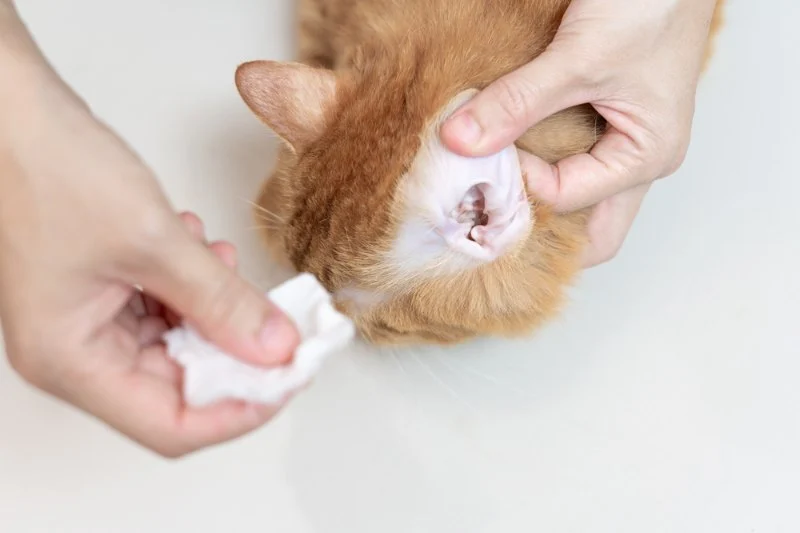
1. Understanding Your Pet’s Ear Anatomy and Common Issues
Pet ears are delicate structures consisting of the external ear (pinna), ear canal, and middle ear. Dogs and cats have differences in ear shape and hair density, affecting susceptibility to infections, wax buildup, and debris accumulation.
1.1 Anatomy of the External Ear
The pinna directs sound waves into the ear canal. Upright ears (common in German Shepherds and Huskies) allow airflow, while floppy ears (Cocker Spaniels, Basset Hounds) can trap moisture and debris, increasing infection risk.
1.2 Common Ear Health Issues
- Excessive wax buildup leading to discomfort and odor.
- Otitis externa (outer ear infection) caused by bacteria or yeast.
- Parasite infestations, such as ear mites in cats and puppies.
- Allergic reactions that trigger inflammation and scratching.
2- Recognizing Signs of Ear Problems
Early detection of ear issues is crucial to prevent complications.
2.1 Physical Symptoms
Watch for redness, swelling, discharge, or foul odor coming from the ear. Frequent scratching or head shaking indicates irritation.
2.2 Behavioral Changes
Pain or discomfort can cause your pet to become irritable, lethargic, or avoid touching of the ear region.
2.3 Veterinary Confirmation
Always consult a veterinarian if symptoms persist or worsen. Early professional intervention can prevent chronic infections and hearing loss.
3- Choosing the Right Ear Cleaning Tools and Solutions
Select appropriate tools to clean ears safely without causing injury.
3.1 Ear Cleaning Solutions
Use veterinarian-approved solutions specifically formulated for pets. Avoid hydrogen peroxide or alcohol, which can irritate sensitive ear tissue.
3.2 Cleaning Tools
- Soft cotton balls or pads for gentle wiping.
- Ear wipes designed for pet use.
- Optional ear syringes for larger dogs, used carefully to avoid canal injury.
3.3 Hands-on Preparation
Keep your pet calm with gentle restraint. Having a second person can improve safety and reduce stress for both pet and owner.
4- Step-by-Step Guide to Cleaning Your Pet’s Ears Safely
Follow these steps for effective and safe ear cleaning.
4.1 Inspection
Examine the ear for debris, redness, or discharge. If infection is suspected, defer to a veterinarian.
4.2 Application of Cleaning Solution
Gently lift the ear flap and apply a small amount of solution into the canal. Massage the base for 20–30 seconds to loosen wax and debris.
4.3 Wiping and Drying
Use a cotton ball or pad to wipe out loosened wax. Avoid inserting objects deep into the ear canal. Ensure the ear is dry to prevent moisture-related infections.
4.4 Reward and Positive Reinforcement
Rewarding your pet with praise or a treat reinforces calm behavior and reduces resistance during future cleanings.
5- Frequency and Maintenance Tips
The cleaning schedule depends on ear type, activity level, and predisposition to infections.
5.1 General Guidelines
For most pets, cleaning every 2–4 weeks is sufficient. Floppy-eared or water-loving dogs may require more frequent attention.
5.2 Seasonal Considerations
Summer swimming or humid climates can increase infection risk, requiring closer monitoring and more frequent cleaning.
5.3 Consistent Routine
Regular maintenance helps prevent buildup and reduces the need for veterinary intervention.
6- Special Considerations for Dogs vs. Cats
Species-specific anatomy and behaviors influence ear care approaches.
6.1 Dogs
Breeds with long, floppy ears require thorough, gentle cleaning and careful drying to avoid trapped moisture. Active dogs may also accumulate more debris outdoors.
6.2 Cats
Cats are sensitive to handling. Use minimal restraint and focus on outer ear cleaning. Ear mites are more common in kittens and indoor-outdoor cats, requiring veterinary treatment if present.
7- Real-Life Case Studies and Owner Experiences
Practical examples demonstrate effective ear care.
7.1 Bella the Spaniel
Bella, a 5-year-old Cocker Spaniel, frequently developed ear infections. Her owner adopted a weekly cleaning routine with a veterinarian-approved solution recommended by Brothers Pets. Over six months, infection frequency dropped significantly, and Bella was more comfortable and active.
7.2 Oliver the Siamese Cat
Oliver had recurring ear mite issues. Regular cleaning combined with preventive topical treatments reduced irritation and scratching. Positive reinforcement during cleaning kept Oliver calm and cooperative.
8- Common Mistakes to Avoid
Avoid errors that could harm your pet’s ears or worsen conditions.
8.1 Using Cotton Swabs Inside the Canal
Inserting swabs can push debris deeper, cause injury, or perforate the eardrum. Stick to outer ear cleaning.
8.2 Over-Cleaning
Excessive cleaning can strip natural protective oils, leading to irritation or infection. Follow recommended schedules.
8.3 Ignoring Signs of Infection
Do not treat redness, swelling, or foul odor at home without veterinary advice. Early intervention prevents chronic problems.
9- Brothers Pets Recommendations and Resources
For expert guidance, high-quality cleaning solutions, and product recommendations, Brothers Pets provides a curated selection of pet ear care products. Their platform helps owners maintain healthy, clean ears while reducing the risk of infection and discomfort. Access tips, tutorials, and trusted supplements specifically designed for dogs and cats.
By establishing a safe, regular ear cleaning routine, using appropriate products, and monitoring your pet’s health, owners can ensure optimal ear hygiene, comfort, and overall wellbeing.


 Sea Dog Pet Boutique4.0 (50 reviews)
 Aquaholic Aquariums LLC4.0 (229 reviews)
 Stanton Veterinary Clinic4.0 (61 reviews)
 Schweikhardt Doug DVM4.0 (10 reviews)
 Healthy Pets Animal Hospital4.0 (586 reviews)
 Petco4.0 (506 reviews)
 Raw Food Diets for Pets: Pros, Cons, and Veterinary Opinions
 What Every Pet Owner Should Know About Seasonal Pet Care
 How to Introduce a New Puppy to Older Dogs: Tips for a Smooth Transition
 Signs Your Senior Cat May Have Kidney Problems
 How to Teach Your Pet to Respond to Basic Commands | Brothers Pets
 How to Choose the Right Pet Products for Your Pet's Needs