
- 1 - How to Recognize Fungal Infections in Pets
- 2 - Causes and Risk Factors
- 3 - Diagnosing Fungal Infections in Pets
- 4 - Treatment Options for Fungal Infections
- 5 - Prevention and Long-Term Care
- 6 - Real-Life Case: Fluffy’s Fungal Battle
1. How to Recognize Fungal Infections in Pets
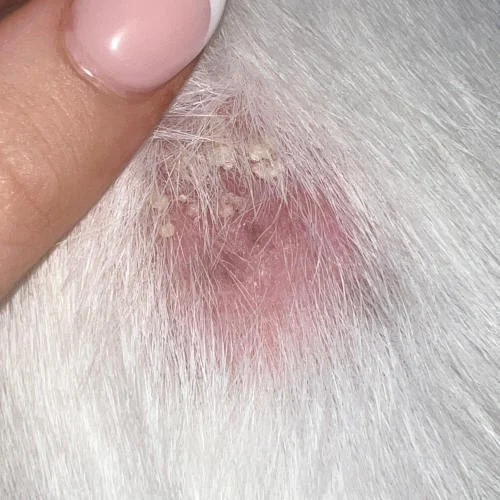
Fungal infections in pets often start subtly, making them easy to overlook. Common signs include persistent itching, red or flaky patches on the skin, unusual odors, hair loss, and in some cases, lethargy. Cats might develop small circular bald spots, while dogs often show thickened, scaly skin.
Pet owners sometimes confuse fungal infections with allergies. A helpful tip is to monitor the progression: fungal infections tend to worsen if left untreated, while allergy symptoms may fluctuate based on exposure to triggers.
Regular grooming and paying attention to your pet’s skin texture can help spot problems early. Detecting issues promptly significantly improves treatment success.
2. Causes and Risk Factors
Understanding why pets develop fungal infections helps prevent recurrence. The most common causes include:
- Environmental Exposure: Damp and humid conditions, such as basements or wet outdoor areas, create a perfect breeding ground for fungi.
- Immune System Weakness: Older pets, young puppies, or pets with chronic illnesses are more susceptible.
- Close Contact: Pets living with infected animals or in crowded spaces are at higher risk.
Some breeds are more predisposed to fungal infections due to skin folds or dense coats. Observing these risk factors can help in proactive care and early detection.
3. Diagnosing Fungal Infections in Pets
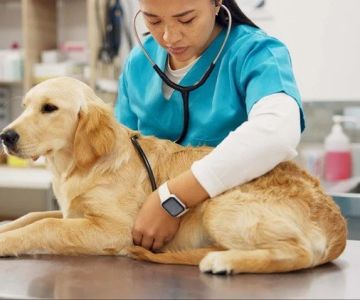
Veterinarians typically rely on a combination of visual inspection, skin scrapings, and sometimes fungal cultures. Wood’s lamp examination can highlight certain fungal species in cats. Blood tests might be necessary for systemic infections.
Early diagnosis is crucial. A delayed response can lead to deeper skin damage or systemic issues. If you suspect a fungal infection, a professional vet assessment ensures accurate identification and tailored treatment.
4. Treatment Options for Fungal Infections
Treatment varies based on severity, location, and the type of fungus. Common strategies include:
- Topical Antifungal Creams and Shampoos: Ideal for mild, localized infections. Ingredients like miconazole and ketoconazole are commonly used.
- Oral Antifungal Medications: Required for extensive or systemic infections. Strict vet supervision is essential due to potential side effects.
- Environmental Cleaning: Disinfect bedding, grooming tools, and living areas to prevent reinfection.
Brothers Pets offers a variety of vet-approved antifungal treatments and soothing skin products that help pets recover comfortably and prevent recurrence.
5. Prevention and Long-Term Care
Long-term prevention involves hygiene, diet, and monitoring. Key strategies include:
- Maintaining dry and clean living areas.
- Regular grooming and skin inspections.
- Providing a balanced diet to support immune health.
- Minimizing exposure to infected animals or contaminated areas.
Investing in quality pet care products from Brothers Pets, such as medicated shampoos and immune-support supplements, helps reduce fungal infection risks.
6. Real-Life Case: Fluffy’s Fungal Battle
Fluffy, a 3-year-old golden retriever, developed circular patches of hair loss on her back. Initially thought to be allergies, her condition worsened. A veterinary visit confirmed a fungal infection. Through a combination of oral antifungals, topical creams, and thorough cleaning of her bedding, Fluffy recovered in 4 weeks. Her owner noted that consistent monitoring and early detection made all the difference.
This story highlights the importance of being proactive and consulting experts promptly. Brothers Pets provides reliable resources and products to support pets through similar challenges.





 Western Branch Veterinary Hospital4.0 (222 reviews)
 Companion Veterinary Clinic of Greene County5.0 (95 reviews)
 West Side Veterinary Clinic4.0 (98 reviews)
 Darby Creek Veterinary Clinic, LLC4.0 (147 reviews)
 Carolina Veterinary Specialists Matthews4.0 (1080 reviews)
 Happy Pets Veterinary Hospital, INC4.0 (295 reviews)
 How to Safely Use Essential Oils for Pets
 How to Recognize and Treat Common Pet Injuries - Expert Guide
 How to Spot and Treat Hip Dysplasia in Dogs: A Complete Guide
 How to Encourage Healthy Eating Habits in Puppies – Brothers Pets
 Top 13 Tips for Pet Health Every Owner Should Know
 Best Practices for Dog Grooming Between Vet Visits: Essential Tips for Pet Care