
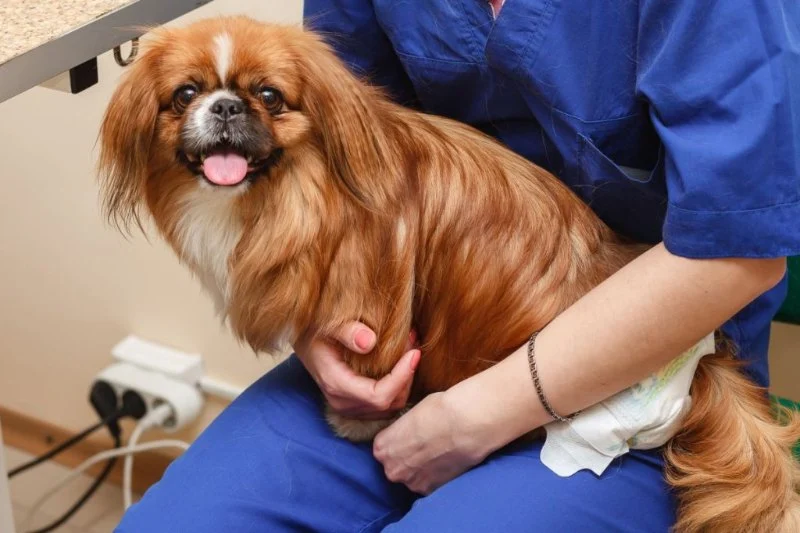
1. What is a Urinary Tract Infection (UTI) in Pets?
A urinary tract infection (UTI) in pets refers to an infection that affects the urinary system, which includes the kidneys, bladder, ureters, and urethra. UTIs are common in both cats and dogs and can cause significant discomfort, pain, and even serious complications if left untreated. Understanding what a UTI is, its causes, and how to treat it is essential for ensuring your pet’s health.
UTIs in pets occur when bacteria, fungi, or other pathogens invade the urinary tract, leading to infection. Though relatively common, these infections can be difficult to spot, especially in pets who are skilled at hiding their discomfort. Recognizing the signs early on can make a huge difference in your pet’s recovery.
2. How to Spot the Symptoms of UTIs in Pets
Spotting a UTI in your pet can be challenging, but there are several key symptoms to watch for. If your pet is exhibiting any of these signs, it’s important to take them to the veterinarian as soon as possible for a proper diagnosis and treatment plan.
- Frequent Urination: If your pet is urinating more frequently than usual or seems to be trying to urinate without success, it could indicate a UTI. They may also strain or have difficulty urinating.
- Blood in Urine: One of the most noticeable signs of a UTI is the presence of blood in the urine. If your pet’s urine appears pink, red, or rusty, it’s important to see a vet right away.
- Increased Thirst: A pet with a UTI may drink more water than usual due to dehydration caused by the infection.
- Cloudy or Strong-Smelling Urine: UTIs can cause the urine to appear cloudy or have a strong, foul odor.
- Behavioral Changes: Pets with UTIs may become more irritable, anxious, or lethargic. They may also urinate outside the litter box (in cats) or have accidents in the house (in dogs).
- Vomiting or Loss of Appetite: In more severe cases, pets may experience nausea or lose their appetite due to the discomfort caused by the infection.
3. Common Causes of Urinary Tract Infections in Pets
Understanding the causes of UTIs can help in both preventing and treating the condition. Several factors can contribute to a UTI in pets, including:
- Bacterial Infections: The most common cause of UTIs in pets is a bacterial infection, usually from bacteria that enter the urinary tract from the outside (via the urethra). E. coli is one of the most common bacteria responsible.
- Bladder Stones: Pets with bladder stones are at higher risk for UTIs, as the stones can irritate the bladder and provide a breeding ground for bacteria.
- Urinary Retention: When pets are unable to fully empty their bladder, bacteria can build up and lead to infection. This can be due to anatomical issues, neurological problems, or stress.
- Weakened Immune System: Pets with compromised immune systems (due to diseases, age, or medications) are more susceptible to infections, including UTIs.
- Underlying Health Conditions: Conditions like diabetes, kidney disease, and obesity can make pets more vulnerable to urinary tract infections.
4. How to Treat a UTI in Pets
Once your pet has been diagnosed with a UTI, your veterinarian will recommend a treatment plan. Treatment generally includes a combination of medications and supportive care to help your pet recover fully. Here’s what you can expect:
- Antibiotics: The primary treatment for a UTI is a course of antibiotics. Your vet will prescribe the appropriate antibiotic based on the bacteria causing the infection. It’s important to follow the prescribed dosage and complete the entire course of medication to prevent the infection from returning.
- Pain Management: UTIs can be painful, so your veterinarian may also prescribe pain relievers or anti-inflammatory medications to make your pet more comfortable during their recovery.
- Increased Water Intake: Encourage your pet to drink plenty of water to flush out the bacteria. Some pets may benefit from adding water to their food or offering them wet food instead of dry food.
- Dietary Changes: In some cases, dietary changes may be recommended to help support urinary health and prevent future infections. Specially formulated food can help dissolve bladder stones or maintain a healthy urinary tract.
- Follow-Up Appointments: After your pet’s treatment, follow-up appointments may be necessary to ensure the infection has been fully cleared and to prevent future infections.
5. Preventing UTIs in Pets: Tips for Long-Term Health
While UTIs are common in pets, there are several steps you can take to help prevent them in the future:
- Encourage Regular Bathroom Breaks: Ensure your pet has regular opportunities to urinate, especially after meals, naps, and playtime. This helps flush out the urinary tract and reduce the risk of bacterial buildup.
- Provide Fresh Water: Keep your pet’s water bowl clean and filled with fresh water at all times. Proper hydration is key to urinary health.
- Maintain a Healthy Weight: Obesity can increase the risk of UTIs. Ensure your pet maintains a healthy weight through a balanced diet and regular exercise.
- Regular Vet Checkups: Routine veterinary visits can help detect any early signs of urinary issues and address underlying conditions that might lead to UTIs.
- Manage Underlying Health Conditions: Conditions like diabetes, kidney disease, and bladder stones should be managed with the help of your veterinarian to reduce the risk of UTIs.
6. Real-Life Case Study: Max's Journey with a UTI
Max, a 7-year-old Labrador Retriever, had always been a healthy dog until he suddenly started urinating more frequently and seemed to struggle when going outside. His owner, Jessica, noticed that his urine appeared cloudy and had a strong odor. Worried, she took him to the vet, where he was diagnosed with a UTI. The vet prescribed antibiotics and pain relief, and Jessica made sure to follow all instructions, including encouraging Max to drink more water and rest.
Max’s recovery was smooth, and within a week, his symptoms had significantly improved. His owner also made changes to his diet and hydration habits to help prevent future infections. Max’s story highlights how early detection and proper treatment can lead to a full recovery, allowing pets to get back to their normal, happy selves.
If you’re concerned about your pet’s urinary health or need advice on prevention, visit Brothers Pets for trusted products and professional recommendations to help maintain your pet's health and well-being.




 West Houston Veterinary Medical Associates4.0 (388 reviews)
 Pet Supplies Plus Southgate4.0 (1485 reviews)
 The Ark Animal Hospital4.0 (265 reviews)
 Animal Hospital of Fayetteville4.0 (920 reviews)
 Faithful Friends Animal Clinic4.0 (117 reviews)
 Predatorfins3.0 (2 reviews)
 What Every Pet Owner Should Know About Pet Dental Care
 Top 10 Tips for Pet Mental Health That Every Owner Should Know
 Best Dog Breeds for Active Families With Kids
 The Importance of Regular Parasite Prevention for Your Pets
 How to Care for Pets with Chronic Health Conditions
 How to Recognize and Treat Common Pet Poisonings