
- The Importance of Nail Care for Pets
- When to Trim Your Pet’s Nails
- Essential Tools for Nail Trimming
- Step-by-Step Guide to Trimming Pet Nails
- Common Mistakes to Avoid
- Real-Life Example: Nail Care for My Dog
The Importance of Nail Care for Pets
Proper nail care is an essential part of pet grooming. Overgrown nails can lead to a variety of health problems, including pain, difficulty walking, and even joint issues. Regular nail trimming helps keep your pet comfortable and healthy, ensuring their paws remain in good condition. Whether you have a dog or a cat, nail care is an important aspect of their overall well-being.
When to Trim Your Pet’s Nails
Knowing when to trim your pet’s nails is key to maintaining their health. In general, nails should be trimmed every 3-4 weeks, though this may vary depending on your pet’s activity level and environment. Here are some signs that it’s time for a trim:
1. Visible Overgrowth
If you can hear your pet’s nails clicking on the floor or see them curling, it’s time for a trim. Long nails can also snag on carpets, causing discomfort and potential injury.
2. Difficulty Walking
Pets with overgrown nails may have trouble walking comfortably, especially if their nails are digging into the ground or causing them to slip. Trim nails regularly to avoid this issue.
3. Snagging or Breaking Nails
If your pet’s nails are getting caught on furniture or breaking easily, it’s important to trim them to a more manageable length. Broken nails can lead to infections or cause your pet a lot of pain.
Essential Tools for Nail Trimming
Before trimming your pet’s nails, it’s essential to have the right tools. Using the proper equipment ensures a safer, more efficient grooming process. Here are some of the most important tools:
1. Nail Clippers
There are different types of nail clippers available, including guillotine-style, scissor-style, and plier-style. Choose a pair that feels comfortable in your hand and works best for your pet’s nail size and thickness. If you're unsure, consult your vet for a recommendation.
2. Styptic Powder
Styptic powder is essential in case you accidentally cut the nail too short and cause bleeding. It helps stop the bleeding quickly and prevents infection.
3. Nail File
After trimming your pet’s nails, use a nail file to smooth out any rough edges. This will prevent scratching or injury to your pet’s skin or your furniture.
Step-by-Step Guide to Trimming Pet Nails
Trimming your pet’s nails doesn’t have to be stressful. With patience and practice, it can become a part of your regular grooming routine. Follow these steps to trim your pet’s nails safely and efficiently:
1. Get Your Pet Comfortable
Before you start, make sure your pet is calm and relaxed. For cats, it may help to have them in a cozy spot or on your lap. For dogs, have them lie down or sit in a quiet, non-distracting area.
2. Examine the Nails
Take a good look at your pet’s nails before trimming. Identify the quick (the pink area inside the nail) to avoid cutting it. If you cut the quick, it can cause pain and bleeding.
3. Trim the Nails
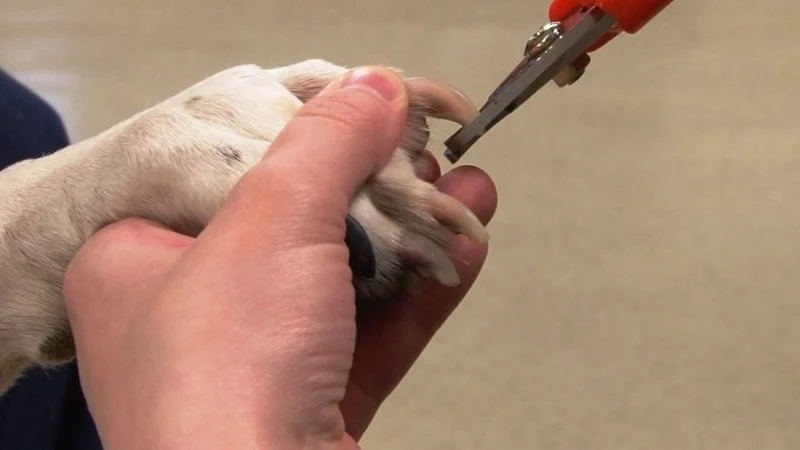
Hold your pet’s paw gently but firmly, and trim the tip of each nail, being careful to avoid the quick. Trim a little bit at a time to prevent cutting too much. If you're trimming black nails, trim a small amount and check for a darker area that signals the quick.
4. Reward and Reassure
After each trimming session, reward your pet with praise and a treat. This positive reinforcement will help them associate nail trimming with something enjoyable.
Common Mistakes to Avoid
While trimming your pet’s nails can be straightforward, there are some common mistakes to avoid:
1. Cutting Too Close to the Quick
Cutting too close to the quick can cause significant pain and bleeding. Be sure to avoid trimming the pink area inside the nail.
2. Rushing the Process
Rushing through the nail trimming process can make both you and your pet anxious. Take your time, and if needed, break the process into smaller sessions.
3. Using Dull Tools
Always ensure that your nail clippers are sharp. Dull clippers can crush the nail, causing discomfort and injury to your pet.
Real-Life Example: Nail Care for My Dog
I learned the importance of proper nail care the hard way with my dog, Max. His nails were becoming overgrown, and he started limping due to discomfort. After a trip to the vet for some advice, I began trimming his nails every 3-4 weeks. Using the right tools and going slowly made the process easier for both of us, and Max is much happier and more active now. If you're struggling with nail trimming, remember that patience and consistency are key!
If you’re looking for high-quality nail care products for your pets, visit Brothers Pets for the best selection of grooming tools and accessories.






 Desert Bloom Mobile Veterinary Service2.0 (6 reviews)
 Saving Grace Mobile Veterinary Services5.0 (17 reviews)
 Holistic Pet Wellness5.0 (6 reviews)
 Rosehill Veterinary Clinic4.0 (214 reviews)
 Corey Shagensky, DVM0.0 (0 reviews)
 Arashan British Cattery5.0 (11 reviews)
 How Annual Wellness Exams Can Add Years to Your Pet’s Life in the US
 Expert Advice on Raising Puppies & Kittens – Tips for New Pet Parents
 How to Care for Your Pet During Hot Weather: Essential Tips for Pet Owners
 How to Encourage Healthy Eating Habits in Puppies – Brothers Pets
 How to Keep Your Pet's Coat Shiny and Healthy
 Top 7 Tips for Pet Travel: Make Every Trip Safe and Stress-Free