
- 1. Why Proper Medication Administration is Crucial for Your Pet
- 2. Types of Pet Medication: Pills, Liquids, and More
- 3. Tips for Administering Pills to Your Pet
- 4. Techniques for Giving Liquid Medication
- 5. How to Make Medication Time Less Stressful for Your Pet
- 6. Real-Life Case: How One Owner Managed Their Pet's Medication
1. Why Proper Medication Administration is Crucial for Your Pet
Administering medication correctly is essential for ensuring that your pet recovers from illness or manages chronic conditions. Whether your pet needs medication for an infection, pain management, or a long-term health issue, improper administration can lead to ineffective treatment or, in some cases, harm. Understanding how to safely administer medication helps ensure that your pet receives the full benefit of the prescribed treatment and stays comfortable during the process.
2. Types of Pet Medication: Pills, Liquids, and More
Pet medication comes in various forms, and each type may require different techniques to administer. Here are the most common types:
- Pills and tablets: These are the most common form of medication and can sometimes be tricky to administer.
- Liquids: Easier for some pets to swallow but can be challenging to give without spilling or causing discomfort.
- Topical treatments: Applied directly to the skin, these medications are typically used for skin conditions or flea treatments.
- Injections: Often administered at the vet’s office, but some pet owners are trained to give certain injections at home.
3. Tips for Administering Pills to Your Pet
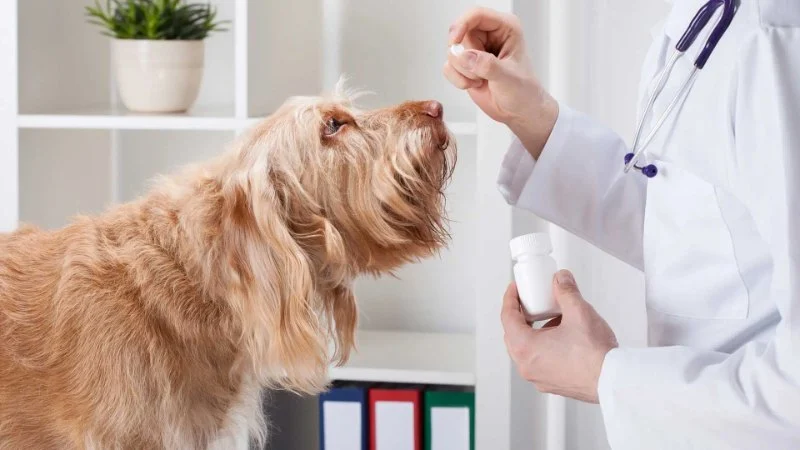
Giving pills to your pet can be challenging, but with the right approach, it becomes easier. Here are some tips for administering pills:
- Hide the pill in food: Wrap the pill in a small amount of your pet’s favorite treat or food. Soft cheese, peanut butter, or a bit of wet food can work well.
- Use a pill popper: A pill popper is a handy tool that helps you administer the pill directly into your pet’s throat, reducing the risk of them spitting it out.
- Hold their mouth closed: After placing the pill at the back of the throat, gently close your pet's mouth and stroke their throat to encourage swallowing.
4. Techniques for Giving Liquid Medication
Liquid medication can be easier for some pets to swallow, but it still requires careful handling. Here’s how to administer liquid medication:
- Use a syringe or dropper: Measure the correct dosage and gently place the syringe or dropper into the side of your pet's mouth. Aim for the back of the mouth, between the cheek and teeth.
- Slowly administer the liquid: Give the medication slowly to avoid choking or spilling. Allow your pet to swallow before giving the next portion.
- Reward after giving medication: Give your pet a treat or praise after successfully taking their medication to associate the experience with positive reinforcement.
5. How to Make Medication Time Less Stressful for Your Pet
Medication time can be stressful for both you and your pet. Here’s how to make the process smoother:
- Stay calm: Pets can sense your anxiety, so try to remain calm and reassuring during medication time.
- Create a routine: Administer medication at the same time every day, and create a calm, quiet environment.
- Use positive reinforcement: Reward your pet with treats or extra affection after taking their medication. This helps them associate the experience with something positive.
- Practice “pilling” without medication: Gently practice putting pills in your pet’s mouth (without medication) and follow up with a treat to get them used to the action.
6. Real-Life Case: How One Owner Managed Their Pet's Medication
A pet owner named Mark shared how he struggled with administering medication to his elderly cat, Luna, who required daily medication for arthritis. Mark tried several different methods before he found success by wrapping the pill in a small piece of soft cheese. Luna happily took her medication without fuss. Mark also made a point of praising Luna afterward and incorporating medication time into their daily routine. Over time, Luna became accustomed to the process, and Mark was able to ensure she received the medication she needed for a better quality of life.



 Mansfield Animal Clinic4.0 (359 reviews)
 Yorktown Animal Hospital4.0 (183 reviews)
 AZ Pet Spay and Neuter5.0 (13 reviews)
 Churchill Veterinary Supply Co5.0 (72 reviews)
 Oak Forest Animal Clinic4.0 (454 reviews)
 Tropical Kingdom4.0 (1553 reviews)
 How to Protect Your Pet’s Paws from Extreme Weather Conditions
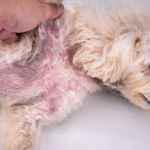 How to Spot and Treat Skin Dryness and Flakiness in Pets
 How to Introduce Your Dog to Other Pets Safely
 Avoid These Common Pet Safety Mistakes and Keep Your Pet Protected
 Best Dog Breeds for Active Families With Kids
 Understanding Pet Dental Health: Why Oral Care Matters