

1. What Are Seasonal Pet Allergies?
Just like humans, pets can suffer from seasonal allergies. These allergies typically occur during certain times of the year when environmental factors like pollen, mold, and dust mites increase. Pets, especially dogs and cats, may show signs of allergy symptoms when exposed to these allergens. Seasonal allergies can cause discomfort and affect your pet’s overall well-being. Understanding what triggers these allergies and how to manage them is key to helping your pet feel better.
2. Common Symptoms of Seasonal Allergies in Pets
Recognizing the signs of seasonal allergies in pets is essential for effective management and treatment. Here are some of the most common symptoms you might notice in pets affected by seasonal allergies:
2.1. Itchy Skin and Scratching
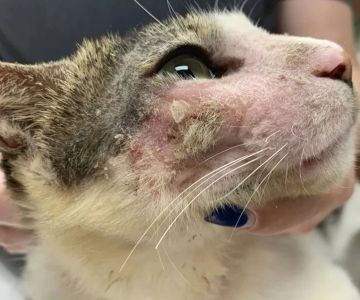
One of the most noticeable signs of allergies in pets is excessive itching. If your pet is constantly scratching, biting, or licking their skin, they may be reacting to seasonal allergens. This can lead to skin irritation, hot spots, and hair loss if not managed properly.
2.2. Red or Watery Eyes
Seasonal allergens can also cause eye irritation, resulting in redness, watering, or even swelling of the eyes. Pets may also squint or rub their eyes more frequently. If left untreated, eye infections can develop, causing further discomfort.
2.3. Sneezing and Coughing
Just like humans, pets may sneeze or cough in response to inhaling allergens. If you notice that your pet is sneezing excessively or has a persistent cough, it could be due to seasonal allergies. These symptoms are often accompanied by nasal discharge.
2.4. Ear Infections
Pets with allergies may also develop ear infections. This is especially common in dogs with floppy ears. Allergens can irritate the ear canal, leading to redness, inflammation, and a bad odor. Your pet may also shake their head or scratch at their ears.
2.5. Digestive Issues
Some pets may experience digestive issues like vomiting or diarrhea as a result of seasonal allergies. This occurs when the allergens cause inflammation in the digestive system. If your pet shows these signs along with other allergy symptoms, it’s important to consult your veterinarian.
3. How to Manage Seasonal Pet Allergies
Managing seasonal allergies in pets involves a combination of preventative measures, lifestyle changes, and medical treatments. Here are some practical steps you can take to help your pet feel more comfortable during allergy season:
3.1. Keep Your Home Allergen-Free
Reducing allergens in your home is one of the most effective ways to manage your pet's allergies. Regularly clean your home by vacuuming carpets, upholstery, and floors, using a vacuum with a HEPA filter to remove pet dander, dust, and pollen. Wash your pet’s bedding frequently and keep their living area free from dust and other irritants.
3.2. Limit Outdoor Exposure
During peak allergy season, limit your pet’s outdoor activities, especially during early mornings and late afternoons when pollen levels are at their highest. After outdoor walks, wipe your pet’s paws, coat, and face with a damp cloth to remove pollen and allergens before they can enter the home.
3.3. Bathing and Grooming
Regular baths and grooming can help remove allergens from your pet's coat and skin. Use a pet-safe, hypoallergenic shampoo that can help soothe irritated skin. Grooming your pet regularly will also reduce the amount of dander they shed, minimizing the allergens in your home.
3.4. Use Allergy Medications
Your veterinarian may recommend antihistamines or other allergy medications to manage your pet’s symptoms. These medications can help reduce itching, inflammation, and other allergic reactions. For pets with severe symptoms, your veterinarian may prescribe corticosteroids or allergy shots to provide longer-term relief.
3.5. Consider Air Purifiers
Using air purifiers with HEPA filters can help reduce airborne allergens in your home. Placing an air purifier in rooms where your pet spends the most time can significantly improve air quality and reduce the impact of allergens like pollen, dust, and mold.
4. Preventing Seasonal Allergies in Pets
While you can’t completely prevent seasonal allergies in pets, there are steps you can take to minimize the severity of symptoms and reduce exposure to allergens:
4.1. Allergy-Proof Your Pet’s Environment
Make your pet’s environment as allergen-free as possible. Keep windows closed during high pollen seasons, and use air conditioning instead of fans to circulate air. In areas with high humidity, consider using a dehumidifier to reduce mold spores that can contribute to allergies.
4.2. Diet and Supplements
A healthy diet can help boost your pet’s immune system and reduce allergic reactions. Talk to your veterinarian about foods that may help manage allergies, such as those rich in omega-3 fatty acids. Some pets may benefit from supplements like fish oil or probiotics, which can help reduce inflammation and improve skin health.
4.3. Regular Vet Check-ups
Regular veterinary visits are essential for monitoring your pet’s health, especially during allergy season. Your veterinarian can provide guidance on allergy prevention and recommend treatments if necessary. They may also perform blood tests to determine if your pet has specific allergies to certain environmental factors.
5. Case Study: Max’s Journey with Seasonal Allergies
Max, a 4-year-old Labrador Retriever, had struggled with seasonal allergies for years. His owner, Sarah, noticed that Max would constantly scratch his ears and bite his paws during allergy season. After a visit to the vet, Sarah learned that Max was allergic to pollen and dust mites. The vet recommended a combination of antihistamines, regular baths, and a special air purifier for Max’s favorite lounging spots. Sarah also made sure to wipe Max’s paws after outdoor walks and keep him inside during peak pollen times. These simple changes made a significant difference in Max’s comfort, and he experienced far fewer allergy symptoms the following year.
6. Conclusion: Helping Your Pet Through Allergy Season
Managing and preventing seasonal allergies in pets requires attention to their environment, grooming habits, and regular veterinary care. By staying proactive and taking the necessary steps to minimize allergens, you can help your pet enjoy a comfortable allergy season. For additional products and tips for managing your pet's allergies, visit Brothers Pets for expert advice and high-quality solutions tailored to your pet’s needs.



 Abby Pet Hospital4.0 (2416 reviews)
 Menifee Valley Animal Clinic4.0 (146 reviews)
 My Pet's Vet Dunwoody4.0 (30 reviews)
 Canyon River Run Vet Clinic4.0 (418 reviews)
 Lawrence Veterinary Hospital4.0 (327 reviews)
 Mineral Wells Veterinary Clinic0.0 (0 reviews)
 How to Deal with Pet Aggression Toward Other Animals | Brothers Pets
 The Dos and Don’ts of Pet Health Every Owner Should Know
 Senior Dog Joint Health: Supplements, Gentle Exercises, and Home Care for Better Mobility
 How to Recognize and Treat Common Pet Diseases: A Complete Guide
 How to Recognize and Treat Ear Infections in Pets
 Best Pet Carriers for Air Travel Safety and Comfort: Top Picks for Your Furry Friend