
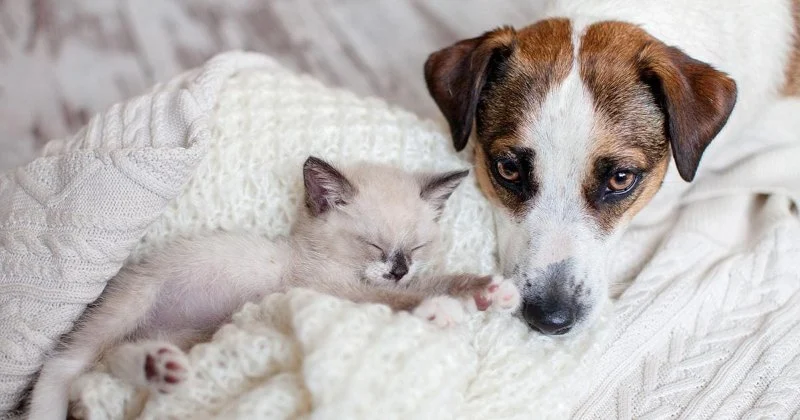
Understanding Pet Dynamics: New Pet and Older Pet
Introducing a new puppy or kitten to an older pet can be a stressful process, both for the pets and for you as the owner. Understanding how pets interact and establishing the right environment can significantly reduce potential conflict. Pets have their own social structures, and an older pet may feel territorial or stressed about the arrival of a newcomer. On the other hand, puppies and kittens are often excited to explore, which can be overwhelming for the older pet. It’s important to manage these dynamics carefully to ensure that both pets feel safe and comfortable.
Preparing Your Home for a New Puppy or Kitten
Before bringing your new pet into the home, it's essential to make sure your environment is set up to minimize stress for both pets. Here are a few key steps to prepare:
1. Create Separate Spaces
One of the first things you should do is designate separate spaces for each pet. This means creating a safe area for your older pet where they can retreat if they feel overwhelmed. Similarly, set up a space for your new puppy or kitten where they can have their own bed, food, and water, especially during the initial introduction period. This allows both pets to feel secure without the pressure of immediate interaction.
2. Bring in the New Pet Gradually
When the new pet arrives, introduce them to the house gradually. Allow your older pet to observe the newcomer from a distance without direct contact. For example, let them sniff each other under a door or through a baby gate. This controlled introduction helps both pets adjust to each other’s scent and presence before full interaction occurs.
3. Maintain Routine for Older Pet
Older pets can feel especially threatened by changes to their routine. To reduce stress, try to maintain your older pet’s regular feeding, walking, and play schedule as much as possible. This sense of normalcy will help them feel secure even with the new arrival in the house.
Step-by-Step Guide to Introducing Your New Pet
Follow these steps for a gradual, stress-free introduction process:
1. First Introduction: Scent First
Before allowing direct contact, let your pets get used to each other’s scent. You can swap bedding or use a cloth to rub each pet and then place it with the other. This helps each pet become familiar with the other’s scent without direct interaction.
2. Controlled Meeting
Once your pets have had a chance to adjust to each other’s scent, you can allow them to meet face-to-face. Start with short, controlled meetings in a neutral space. Use a leash for the puppy or kitten to ensure that they can’t rush toward the older pet too aggressively. Keep the interactions calm and observe their body language. If there’s tension, separate them and try again later.
3. Positive Reinforcement
During these meetings, provide positive reinforcement. Reward both pets with treats, praise, or petting when they behave calmly and show interest in each other. This encourages positive behavior and helps both pets associate each other with pleasant experiences.
4. Gradual Increase in Interaction
As both pets become more comfortable with each other, you can increase the duration of their interactions. Continue to supervise all meetings to ensure that both pets feel safe and confident. Never leave them alone together until you're sure that they’ve bonded and can interact without issues.
Managing the First Interactions Between Pets
During the first few interactions, it’s normal for pets to exhibit some territorial or defensive behavior. Here’s how to manage their first interactions effectively:
1. Watch for Warning Signs
Pay attention to body language. Hissing, growling, or showing teeth in cats or barking, lunging, or stiff posture in dogs can indicate that the pets are not comfortable with the interaction. If you notice any of these signs, calmly separate the pets and give them time to cool off. It’s important to never force them into an interaction they’re not ready for.
2. Allow Time for Adjustment
It may take a few days or even weeks for both pets to adjust to each other. Be patient and allow them time to get used to the new dynamic. Don’t rush the process, as forcing interaction too soon can lead to setbacks in the relationship between your older pet and the new one.
3. Keep Their Needs in Mind
While it’s essential for both pets to get along, their individual needs should also be considered. Your older pet might need more rest and space, while the puppy or kitten will likely have higher energy levels. Make sure each pet has enough personal space and attention to feel secure and happy.
Real-Life Case Studies: Successful Pet Introductions
Here are a couple of real-life examples of successful pet introductions that offer valuable insights:
Case Study 1: Max the Dog and Daisy the Kitten
When Max, a 7-year-old Labrador, was introduced to Daisy, a 12-week-old kitten, his owner was concerned about the age gap and potential territorial issues. To ensure a smooth transition, Max’s owner first let him sniff Daisy’s scent on a towel. The first face-to-face meeting was brief, with Max on a leash. Over the course of a week, they increased their interactions. Now, Max and Daisy are best friends and enjoy playing together every day.
Case Study 2: Bella the Cat and Oliver the Puppy
Bella, a senior cat, was not pleased when her owner brought home a new puppy named Oliver. Bella initially hissed and kept her distance. However, after a few days of scent swapping and gradual introductions, Bella and Oliver started to tolerate each other. Bella found a new favorite spot on top of the couch, where she could watch Oliver without being bothered. Today, Bella and Oliver coexist peacefully, and while they’re not best friends, they respect each other’s space.
These real-life stories show that with patience, preparation, and careful introductions, even the most nervous pets can learn to get along.






 Oxnard Veterinary Hospital4.0 (77 reviews)
 Bush Veterinary Neurology Service (BVNS) - Leesburg4.0 (131 reviews)
 Cabarrus Animal Hospital4.0 (755 reviews)
 Tolonen Family Pet4.0 (109 reviews)
 Tender Touch Animal Hospital4.0 (110 reviews)
 Bayberry Veterinary Care4.0 (46 reviews)
 How to Choose the Best Pet Food for Allergies or Sensitivities
 How to Make Mealtime Fun for Picky Dogs | Tips and Ideas
 How to Create a Pet-Friendly Environment at Home – Essential Tips for Your Furry Friends
 How to Help Your Pet Cope with Separation Anxiety During Travel
 How to Improve Your Pet’s Mental Health with Daily Enrichment
 Expert Advice on Pet Diseases: Symptoms, Prevention, and Real Solutions