
- Step 1: Assess the Situation and Stay Calm
- Step 2: Recognize Common Pet Emergencies
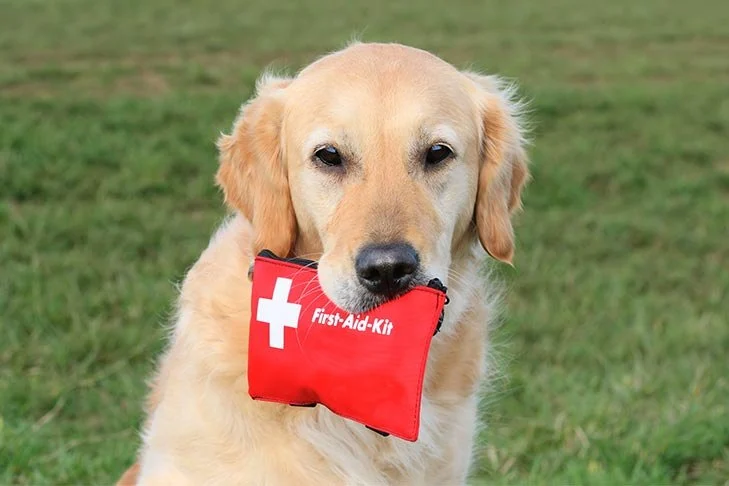
- Step 3: Gather Your Pet First-Aid Kit
- Step 4: Perform Basic First-Aid for Pets
- Step 5: Know When to Seek Professional Help
Step 1: Assess the Situation and Stay Calm
When a pet emergency arises, the first thing you need to do is stay calm. Animals can sense their owner's emotions, and if you panic, your pet might become more anxious or scared. Take a deep breath and quickly assess the situation. Are there any immediate threats, such as an injury, choking, or unconsciousness? Is your pet alert and responsive, or are they showing signs of distress?
Staying calm will help you think clearly and take the necessary steps to provide your pet with the care they need. If possible, try to move your pet to a safe and quiet space where you can begin to handle the emergency more effectively.
Step 2: Recognize Common Pet Emergencies
Pet emergencies can vary greatly depending on the situation, but some are more common than others. Here are a few examples of typical emergencies you may encounter:
- Trauma and Injuries: Cuts, broken bones, or bites can happen during fights, accidents, or falls.
- Choking: Pets can choke on small objects, food, or even toys.
- Poisoning: Ingesting toxic substances like household chemicals, plants, or certain foods can lead to poisoning.
- Heatstroke: Pets can easily overheat, especially in hot weather or after excessive exercise.
- Severe Bleeding: Large cuts or injuries can cause excessive bleeding, requiring immediate attention.
Recognizing the signs of these common emergencies is the first step in addressing them quickly and effectively. If your pet is experiencing any of these situations, it's important to act swiftly.
Step 3: Gather Your Pet First-Aid Kit
Having a well-stocked pet first-aid kit is essential for managing emergencies at home. A basic first-aid kit should include the following items:
- Bandages, gauze, and adhesive tape
- Antiseptic wipes or solution for cleaning wounds
- A pair of tweezers for removing splinters or stingers
- A thermometer to monitor your pet’s temperature
- Hydrogen peroxide (for inducing vomiting, if recommended by a vet)
- Eye wash solution for flushing out foreign objects
- Instant cold packs to reduce swelling or heat
- Gloves for hygiene and protection
- A muzzle (if your pet is in pain or might bite due to fear)
Make sure you know how to use each item in your first-aid kit, and check it regularly to ensure everything is in good condition. Knowing where your pet's first-aid kit is located and how to use its contents will save valuable time in an emergency.
Step 4: Perform Basic First-Aid for Pets
Once you’ve assessed the situation and gathered your first-aid supplies, you can begin administering care to your pet. Here are some basic first-aid steps:
- For Bleeding: Apply pressure to the wound with a clean cloth or bandage. If the bleeding is severe, elevate the injured area and apply more pressure.
- For Choking: If your pet is choking, try to open their mouth and remove the object if visible. If the object is stuck, you may need to perform a Heimlich maneuver (consult a vet on how to do this safely for your specific pet). Call your vet immediately if the object cannot be dislodged.
- For Poisoning: If your pet ingests something toxic, immediately call your vet or an emergency pet poison helpline. Do not induce vomiting unless instructed by a professional, as this can cause further harm.
- For Heatstroke: Move your pet to a cooler area, offer fresh water, and apply cool (not cold) water to their body, especially their paws and stomach. Avoid giving them ice-cold water, as it can cause shock.
Performing these steps can stabilize your pet and buy time until you can get them to a vet. Remember, if you’re unsure about how to handle a particular emergency, it’s always better to consult a professional immediately.
Step 5: Know When to Seek Professional Help
While basic first-aid measures can help in many situations, it's crucial to seek professional veterinary care whenever necessary. If your pet’s condition worsens, if the emergency is serious, or if you’re unsure about what to do, always contact a vet. Most emergency clinics offer 24/7 care, and they have the expertise and equipment to handle critical situations.
Don’t hesitate to reach out for help, as quick and appropriate care is essential in preventing long-term damage or complications. Your veterinarian can guide you on the next steps, whether it’s to take your pet in for immediate treatment or monitor their condition at home.
By following these steps and being prepared with the right knowledge and tools, you can handle pet emergencies confidently and effectively. Having a plan in place ensures that you’ll be able to respond quickly, minimizing the risks and stress for both you and your pet.
For more pet care resources, including emergency kits and care products, check out Brothers Pets, where you can find everything you need to care for your pet in an emergency.






 Performance Equine Specialists4.0 (7 reviews)
 Petco4.0 (759 reviews)
 Petco4.0 (746 reviews)
 Lagniappe Animal Hospital4.0 (71 reviews)
 Applewood Animal Hospital4.0 (298 reviews)
 Tuffy's Spay & Neuter Clinic of Lincoln County4.0 (20 reviews)
 Understanding Signs of Urinary Issues in Dogs: Symptoms and Solutions
 The Benefits of Regular Playtime for Mental Health in Pets
 Top Puppy Training Mistakes and How to Avoid Them for Success
 Expert Advice on Emergency Pet Care Every Owner Should Know
 The Importance of Regular Exercise for Your Pet – Healthy Habits with Brothers Pets
 Top Puppy Training Mistakes and How to Avoid Them