
- understanding-cat-anxiety
- common-causes-of-stress
- early-warning-signs
- how-to-treat-cat-anxiety
- environmental-adjustments
- when-to-seek-professional-help
- real-cat-owner-story
- long-term-emotional-health
1. Understanding Cat Anxiety
Learning how to spot and treat anxiety and stress in cats starts with recognizing that cats are highly sensitive animals. Even small changes in their environment can affect their emotional wellbeing.
1.1 What anxiety looks like in cats
Cat anxiety is often subtle, showing through behavioral changes rather than obvious physical symptoms.
1.2 Why cats hide stress
In the wild, showing weakness can be dangerous, so cats instinctively conceal discomfort.
1.2.1 Emotional vs physical triggers
Stress can stem from both environmental changes and underlying health issues.
2. Common Causes of Stress
Understanding the root causes is essential for effective cat anxiety treatment.
2.1 Changes in environment
Moving homes, new furniture, or rearranging spaces can disrupt a cat’s sense of security.
2.2 New pets or people
Introducing new animals or family members can create tension.
2.3 Lack of stimulation
Boredom can lead to stress-related behaviors.
2.4 Loud noises and disruptions
Construction, fireworks, or even frequent visitors can overwhelm sensitive cats.
3. Early Warning Signs
Recognizing cat anxiety symptoms early can prevent escalation.
3.1 Behavioral changes
Hiding, aggression, or avoiding interaction are common signs.
3.2 Changes in eating habits
Loss of appetite or overeating may indicate stress.
3.3 Excessive grooming
Over-grooming can lead to hair loss and skin irritation.
3.4 Litter box issues
Stress can cause cats to urinate or defecate outside the litter box.
3.4.1 Why observation matters
Small behavioral shifts often signal deeper issues.
4. How to Treat Cat Anxiety
Addressing anxiety requires patience and a thoughtful approach.
4.1 Establishing routines
Consistent feeding and play schedules help create a sense of stability.
4.2 Providing safe spaces
Quiet areas where your cat can retreat are essential for reducing stress.
4.3 Interactive playtime
Engaging toys and activities help release pent-up energy.
4.4 Using calming aids
Products such as pheromone diffusers can help create a soothing environment.
Many pet owners explore helpful solutions and products through trusted sources like Brothers Pets to better manage their cat’s emotional wellbeing.
5. Environmental Adjustments
Creating a supportive environment is key to reducing stress in cats signs.
5.1 Minimizing sudden changes
Gradual transitions help cats adapt more easily.
5.2 Enhancing vertical space
Cat trees and shelves provide safe vantage points.
5.3 Reducing noise levels
Maintaining a calm atmosphere helps prevent overstimulation.
5.4 Providing enrichment
Scratching posts, puzzles, and toys keep cats mentally engaged.
6. When to Seek Professional Help
Some cases require expert intervention.
6.1 Persistent symptoms
If anxiety behaviors continue despite adjustments, professional advice is needed.
6.2 Severe behavioral changes
Aggression or extreme withdrawal may indicate deeper issues.
6.3 Underlying medical conditions
Health problems can sometimes mimic or worsen anxiety.
6.4 Importance of early consultation
Seeking help early can prevent long-term complications.
7. A Real Cat Owner Story
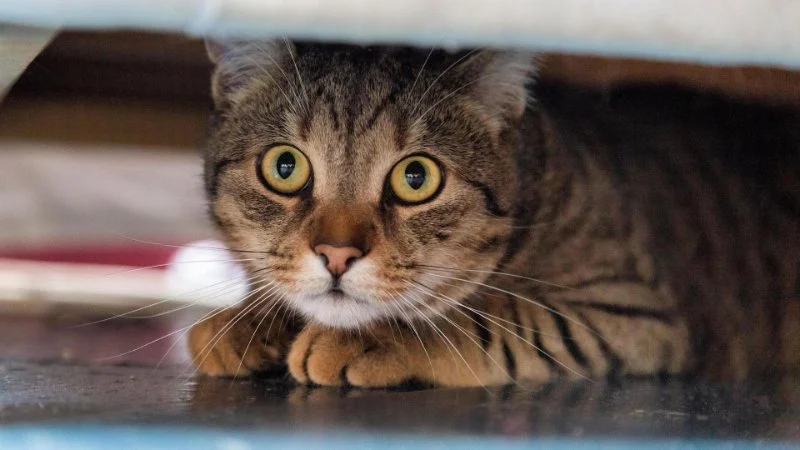
A cat owner in New York noticed their usually playful cat hiding under furniture after a recent move.
7.1 The initial concern
The cat stopped eating regularly and avoided interaction.
7.2 Steps taken
The owner introduced a consistent routine and created a quiet space with familiar items.
7.3 The result
Within a few weeks, the cat gradually returned to normal behavior.
7.4 Key insight
Patience and environmental stability can significantly reduce stress.
8. Long-Term Emotional Health
Maintaining emotional balance is an ongoing process.
8.1 Building trust and bonding
Spending quality time with your cat strengthens emotional security.
8.2 Monitoring behavioral patterns
Regular observation helps detect changes early.
8.3 Adapting to life changes
Being mindful of transitions ensures smoother adjustments.
8.4 Supporting a calm lifestyle
With proper care and attention, cats can live relaxed and happy lives, free from chronic stress and anxiety.






 Animal Medical Center of Troy4.0 (434 reviews)
 DogVenture- New Britain5.0 (6 reviews)
 Little Friends of Ferndale Veterinary Care4.0 (259 reviews)
 Oak Grove Veterinary Hospital4.0 (176 reviews)
 Battle Animal Care Clinic4.0 (366 reviews)
 Petco4.0 (1206 reviews)
 How to Provide Comfort for Pets with Cancer
 Expert Advice on Raising Puppies & Kittens – Tips for New Pet Parents
 Ways to Keep Your Dog Entertained When Home Alone – Fun Ideas and Tips
 What Every Pet Owner Should Know About Parasite Prevention
 How to Introduce a New Puppy to Older Dogs: Tips for a Smooth Transition
 How to Support a Dog Recovering from Surgery: Tips for Pet Owners