
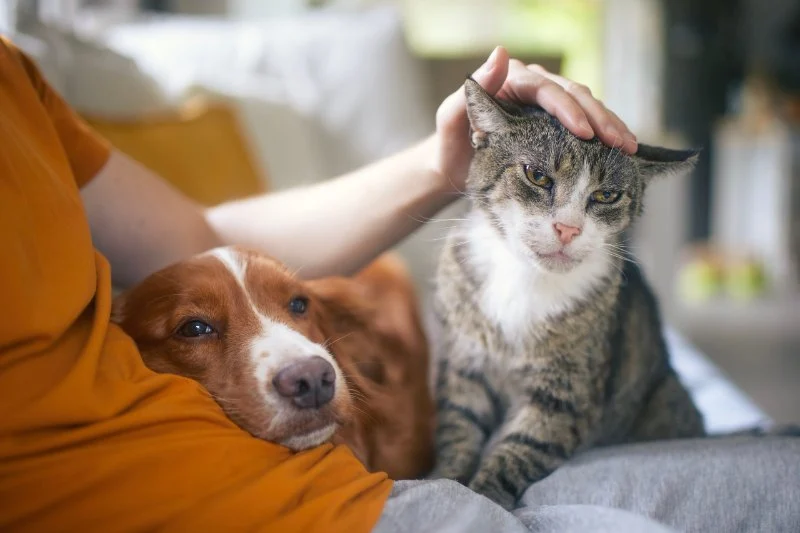
How to Provide the Best Care for Senior Cats and Dogs
- Introduction
- Understanding Aging in Pets
- Health and Vet Checkups
- Diet and Nutrition for Senior Pets
- Exercise and Mental Stimulation
- Creating a Comfortable Environment
- Emotional Well-being
Introduction
As pets age, they face unique health challenges, and as pet owners, it is our responsibility to provide them with the best care possible. Senior cats and dogs require special attention to maintain their quality of life, comfort, and happiness. In this guide, we’ll cover the key aspects of senior pet care, from health check-ups to diet and mental stimulation. With proper care, your aging pets can live their best life for as long as possible.
Understanding Aging in Pets
Just like humans, pets experience changes in their body and behavior as they grow older. A cat or dog is considered a senior when they reach the age of 7-10 years, but the exact age can vary depending on the breed and size. Larger dogs tend to age faster than smaller ones. Some common signs of aging include:
- Reduced energy or mobility
- Increased sleeping or resting time
- Changes in appetite or weight
- Behavioral changes such as increased irritability or confusion
Understanding these signs will help you address your pet’s needs effectively.
Health and Vet Checkups
Regular veterinary check-ups are crucial for senior pets. As pets age, they become more prone to health conditions like arthritis, dental issues, heart disease, and kidney failure. Schedule annual (or even bi-annual) vet visits for comprehensive health screenings. Some important aspects to focus on include:
- Blood work to monitor kidney, liver, and thyroid function
- Dental check-ups to prevent periodontal disease
- Arthritis management for easier movement
- Vaccination updates and parasite prevention
Early detection of health issues can lead to more effective treatments and better management of your pet’s condition.
Diet and Nutrition for Senior Pets
As pets age, their dietary needs change. Senior pets may not need as many calories as they did in their younger years, but they do need a higher-quality diet to support aging organs and joints. Here are some tips for feeding your senior cat or dog:
- Choose a senior-specific pet food that caters to your pet’s nutritional needs, such as lower calories and higher fiber content.
- Look for foods with joint support ingredients like glucosamine and chondroitin to support mobility.
- Ensure proper hydration by providing fresh water at all times, as older pets are more prone to dehydration.
- If your pet has specific health conditions (e.g., diabetes or kidney disease), your vet may recommend specialized diets.
A healthy diet will help keep your senior pet’s body functioning at its best and may even prevent some age-related health issues.
Exercise and Mental Stimulation
Exercise is still important for senior pets, although it may need to be adjusted to their physical abilities. Low-impact activities like gentle walks or playtime with toys will help keep your pet’s muscles and joints in good shape. Additionally, mental stimulation is vital for preventing cognitive decline in older pets. Here are some ideas:
- Short daily walks or low-intensity play sessions
- Interactive toys or puzzle feeders to engage their mind
- Training sessions to keep them sharp (simple tricks or commands)
By maintaining an appropriate exercise routine, you help your senior pet stay mentally and physically healthy.
Creating a Comfortable Environment
As pets age, they often experience joint pain, stiffness, or general discomfort. Creating a comfortable living space can make a huge difference in their overall well-being. Consider these suggestions:
- Provide a soft, orthopedic bed that supports their joints and promotes better sleep.
- Ensure easy access to food and water bowls, especially if your pet has mobility issues.
- Consider ramps or stairs for pets with difficulty jumping or climbing.
- Keep the home at a comfortable temperature and avoid sudden temperature changes that could cause stress.
Making your pet’s environment as comfortable as possible will help them enjoy their golden years.
Emotional Well-being
Senior pets may experience anxiety, depression, or confusion as they age. Keeping their emotional well-being in mind is just as important as their physical health. Here are some ways to support their mental health:
- Provide regular companionship and bonding time.
- Maintain routines to reduce stress.
- Offer comforting activities, like grooming, petting, or simply sitting with them.
- If your pet shows signs of severe cognitive dysfunction (e.g., confusion, pacing), consult your vet for possible treatments or medications.
Emotional care and attention will help your pet feel loved and secure in their senior years.
By following these tips and providing attentive care, you can ensure that your senior cats and dogs lead happy, healthy, and comfortable lives. For expert advice and high-quality pet products, visit Brothers Pets for trusted recommendations and services.






 Rosa Rodrigo DVM5.0 (14 reviews)
 Green Valley Veterinary Clinic4.0 (552 reviews)
 Animal Health International4.0 (6 reviews)
 Segrest Farms4.0 (113 reviews)
 CityVet | Highlands Ranch Veterinary Clinic & Urgent Care4.0 (200 reviews)
 O'Brien Heather L DVM4.0 (35 reviews)
 How to Clean Your Cat’s Ears Safely at Home: A Step-by-Step Guide
 How to Spot and Treat Thyroid Problems in Cats and Dogs
 Understanding Signs of Urinary Issues in Dogs: Symptoms and Solutions
 Top 13 Tips for Pet Health Every Owner Should Know
 Expert Advice on Seasonal Pet Care: Keep Your Pet Healthy Year-Round
 Understanding the Importance of Omega in Pet Diets