

What Are Heartworms and How Do Pets Get Them?
Heartworms are parasitic worms that can cause serious damage to your pet’s heart, lungs, and blood vessels. They are transmitted through the bite of an infected mosquito. Once inside your pet, these worms can grow to be several inches long and can severely affect their health. Heartworms are most commonly found in dogs, but cats can also be affected. While heartworm disease is treatable, preventing it is far easier than treating an infection once it has occurred.
How to Spot the Symptoms of Heartworms in Pets
Recognizing the symptoms of heartworms early is crucial to ensure your pet gets the treatment they need before the condition becomes severe. Here are the most common symptoms of heartworm disease in pets:
- Coughing: A persistent cough is often one of the first signs of heartworms, especially in dogs. This happens as the worms affect the pet’s lungs and airways.
- Fatigue: Pets infected with heartworms may become lethargic or tire easily, even after light exercise.
- Difficulty Breathing: As the worms infest the lungs, your pet may show signs of labored breathing, including wheezing or panting.
- Weight Loss and Decreased Appetite: Pets with heartworm disease may show a loss of appetite and lose weight despite maintaining normal activity levels.
- Abdominal Swelling: In severe cases, swelling of the abdomen may occur as a result of fluid buildup, which can be a sign of heart failure.
How to Prevent Heartworms in Pets
Prevention is always the best approach when it comes to heartworm disease. Thankfully, there are several effective ways to prevent heartworms in your pets:
- Monthly Preventive Medication: The most effective way to prevent heartworms is through monthly oral or topical medications prescribed by your veterinarian. These medications kill the microscopic larvae before they can develop into adult worms.
- Annual Testing: Even if your pet is on preventive medication, it’s important to have them tested for heartworms annually. This ensures that the prevention is working and that your pet hasn’t contracted heartworms.
- Minimize Exposure to Mosquitoes: While it’s not always possible to keep your pet inside, especially in warmer months, try to limit their exposure to mosquitoes. Keeping them indoors during peak mosquito hours (dawn and dusk) can help reduce the risk of infection.
- Year-Round Protection: Heartworm prevention should be maintained year-round, as mosquitoes can be active in different seasons depending on your location.
How to Treat Heartworms in Pets
If your pet has been diagnosed with heartworms, treatment is possible, but it’s essential to act quickly. The treatment plan typically involves several stages:
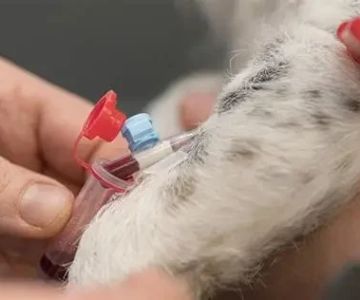
- Initial Assessment and Medication: The first step is to determine the severity of the infection. Your veterinarian will conduct blood tests and X-rays to assess your pet's heart and lung health. Depending on the severity, they may begin with medications to stabilize your pet’s condition.
- Adulticide Treatment: In dogs, the next step often involves administering an adulticide medication to kill the adult heartworms. This is typically given as an injection over the course of several months.
- Exercise Restriction: During treatment, it’s important to limit your pet’s physical activity to avoid complications such as pulmonary embolism (a blockage in the lungs) from the dying heartworms.
- Follow-Up Care: After the treatment, your veterinarian will monitor your pet closely to ensure that the heartworms are gone and to address any complications that may arise.
- For Cats: Unfortunately, treatment for heartworms in cats is more challenging, as there is no FDA-approved treatment for feline heartworm disease. In cats, the focus is on symptom management and preventing further complications.
Real-Life Stories of Heartworm Treatment in Pets
Many pet owners have successfully treated heartworm infections by following proper treatment protocols. Here are some real-life stories of heartworm recovery:
- Case Study 1: A Dog’s Journey to Recovery - Max, a 5-year-old Labrador, was diagnosed with heartworms after exhibiting symptoms of coughing and fatigue. His owner started him on monthly heartworm prevention but missed a few doses during the winter months. After diagnosis, Max underwent adulticide treatment, which was successful. Today, Max is healthy and back to his energetic self, thanks to early detection and treatment.
- Case Study 2: Overcoming Heartworms in a Rescue Dog - Bella, a rescue dog, came into her new home with a severe heartworm infection. After a thorough examination and heartworm test, Bella underwent a multi-stage treatment plan, including adulticide therapy and extended rest. With her owner’s dedication to her recovery, Bella is now heartworm-free and enjoying a healthy life.
Conclusion – Keeping Your Pets Healthy and Heartworm-Free
Heartworm disease is a serious condition, but with proper prevention and early detection, it’s a preventable and treatable disease. Make sure to schedule regular checkups with your veterinarian, stay on top of heartworm prevention, and monitor your pet for any symptoms. By doing so, you’ll keep your pets happy, healthy, and free from heartworm disease.
If you're looking for heartworm prevention products or need expert advice on your pet’s health, visit Brothers Pets, where we offer a variety of pet care products to keep your pets in the best possible condition.




 Chuck & Don's Pet Food & Supplies4.0 (306 reviews)
 Berry Animal Clinic of Piedmont, Alabama4.0 (677 reviews)
 Avondale Haslet Animal Clinic4.0 (740 reviews)
 Pet Town4.0 (364 reviews)
 PetVet Vaccination Clinic4.0 (42 reviews)
 Catawba Valley Animal Hospital4.0 (329 reviews)
 What Every Pet Owner Should Know About Pet Mental Health
 Understanding Pet Grooming: Tips for Maintaining Your Pet's Coat and Skin
 How to Spot and Treat Skin Dryness and Flakiness in Pets
 How to Prevent and Treat Pet Fleas Naturally: Safe Solutions for Your Pet
 How to Identify and Treat Allergic Dermatitis in Cats: A Guide for Pet Owners
 Top 12 Tips for Pet Diseases Every Pet Parent Should Know