
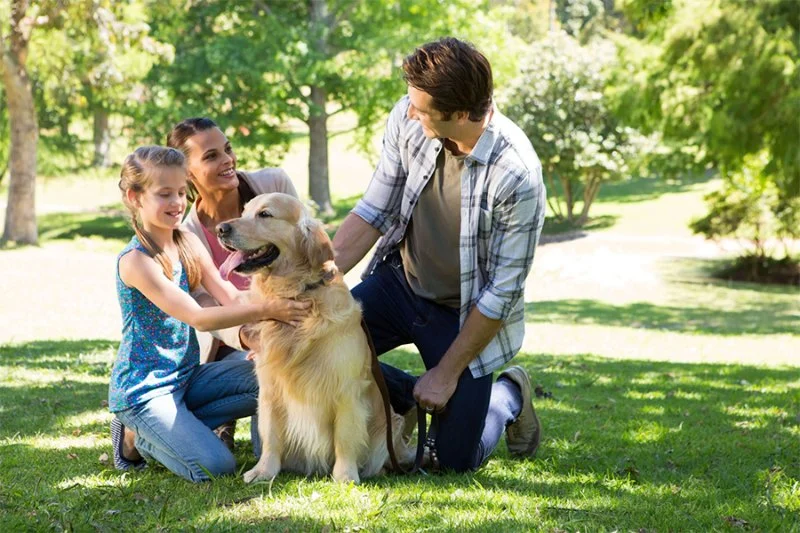
How to Train Your Pet for Positive Socialization
Socializing your pet is one of the most important aspects of their development. Whether you’ve just adopted a puppy or kitten, or you have a rescue pet that’s never learned proper social skills, it’s never too late to begin the process of socialization. Positive socialization can help your pet form good behaviors, learn to interact well with people and other animals, and avoid becoming fearful or aggressive in unfamiliar situations.
Understanding Socialization for Pets
Socialization is the process of exposing your pet to new environments, people, animals, and experiences in a positive and controlled way. The goal is to help your pet feel comfortable and confident in different situations. Proper socialization should begin early, but even older pets can benefit from socializing experiences. A well-socialized pet is more likely to develop into a well-adjusted companion.
Why Positive Socialization Matters
Positive socialization helps your pet develop a healthy understanding of the world around them. Pets that aren’t properly socialized may develop anxiety, aggression, or fearfulness, which can lead to behavioral problems. For example, a dog that has not been properly socialized may act aggressively towards strangers or other dogs, or a cat that hasn’t been exposed to different environments might become easily stressed in unfamiliar settings.
Steps to Successfully Socialize Your Pet
Follow these steps to help your pet become well-socialized, confident, and friendly in any situation:
1. Start Early
The earlier you begin socializing your pet, the better. Puppies and kittens have a critical period for socialization that typically occurs between 3 and 14 weeks of age. During this time, they are most receptive to new experiences, people, and animals. However, even adult pets can benefit from socialization, and it’s worth starting at any age to improve their comfort and behavior.
2. Introduce New Experiences Gradually
Start by introducing your pet to a variety of experiences in a calm, controlled manner. This might include meeting new people, other animals, different environments, and even new objects. Always ensure that the experiences are positive, and that your pet isn’t overwhelmed or frightened. Reward calm behavior with treats and praise to reinforce positive reactions.
3. Expose to Other Animals
Socializing with other animals is important for developing healthy, non-aggressive behaviors. Start by exposing your pet to well-mannered, friendly animals. If you have a dog, consider meeting other dogs in neutral spaces (like dog parks or obedience classes) where both pets feel comfortable. For cats, allow them to observe other animals from a safe distance before introducing face-to-face meetings.
4. Provide Positive Reinforcement
Always use positive reinforcement to reward good behavior. This can be in the form of treats, affection, or praise. The goal is to make socialization a rewarding experience for your pet, so they associate new situations with positive outcomes. Over time, your pet will learn to confidently approach new people, animals, and environments without fear.
5. Be Patient and Consistent
Socialization can take time, and every pet is different. Some may take longer to adjust to new experiences, while others may need more frequent exposure to become comfortable. The key is consistency. Gradually increase the complexity of the situations your pet is exposed to, and remain patient as they adjust at their own pace.
Common Challenges in Socializing Pets
While socialization is important, it’s not always easy. Some pets may exhibit fear, aggression, or anxiety when encountering new people or situations. Here are a few challenges you might face:
1. Fear-Based Aggression
Some pets, especially those with a history of abuse or neglect, may become fearful or defensive when socialized. If your pet displays fear-based aggression, avoid forcing interactions. Instead, take things slow, use positive reinforcement, and allow your pet to progress at their own pace.
2. Overwhelming Situations
New experiences can overwhelm some pets, leading to stress or anxiety. It’s important to recognize the signs of stress (like excessive barking, hiding, or growling) and remove your pet from overwhelming situations before they become too stressed. Gradually desensitize your pet to new experiences in smaller, more manageable steps.
How Brothers Pets Can Help
At Brothers Pets, we understand the importance of socialization for your pets. We offer a variety of training tools, pet care products, and expert advice to help make the socialization process easier and more effective. Whether you’re looking for training supplies, pet behavior resources, or socialization tips, we have everything you need to ensure your pet becomes a well-adjusted, happy companion.






 Valley Veterinary Hospital4.0 (410 reviews)
 A Town & Country Animal Clinic4.0 (160 reviews)
 Tropicana Animal Hospital3.0 (798 reviews)
 Vetco Vaccination Clinic3.0 (9 reviews)
 Vetco Vaccination Clinic3.0 (15 reviews)
 Animal Care of Mathews4.0 (40 reviews)
 How to Spot and Treat Thyroid Problems in Cats and Dogs
 Best Pet Carriers for Air Travel Safety and Comfort: Top Picks for Your Furry Friend
 How to Provide Comfort for Pets with Arthritis
 Pet Mental Health: What Vets Want You to Know in the US
 How to Spot and Treat Skin Dryness and Flakiness in Pets
 Top 8 Tips for Pet Aging: How to Care for Your Senior Pet with Love and Knowledge