
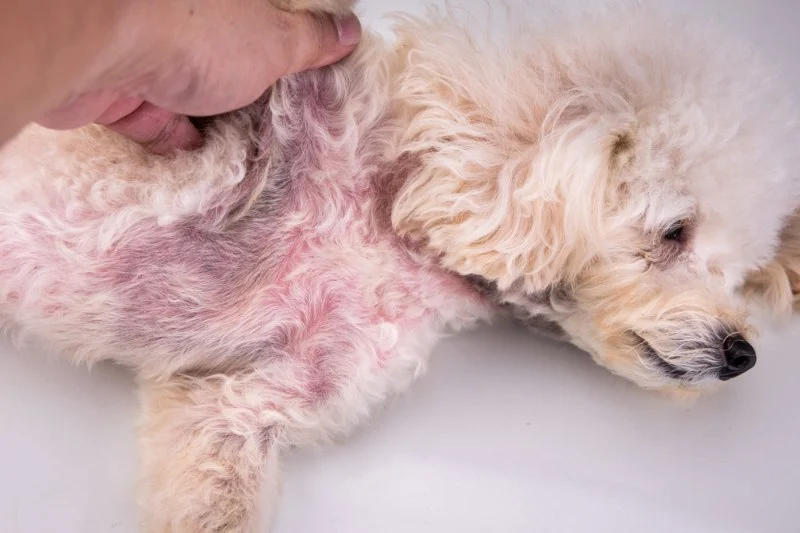
1. Understanding Skin Dryness and Flakiness in Pets
Skin dryness and flakiness are common problems for many pets, affecting both dogs and cats. This issue can cause discomfort, itching, and even more severe skin conditions if not addressed. In this section, we’ll explore what causes dry and flaky skin in pets and why it’s important to treat it early to prevent further complications.
2. Common Causes of Skin Dryness and Flakiness in Pets
2.1 Environmental Factors
Just like humans, pets can suffer from dry skin due to changes in their environment. Cold weather, low humidity, or frequent exposure to heating systems can strip moisture from your pet’s skin. If you live in an area with harsh winters, your pet may be particularly susceptible to dry, flaky skin.
2.2 Allergies and Irritations
Allergic reactions to food, flea bites, or environmental allergens like pollen and dust mites can also cause dry skin. Pets with sensitive skin may experience irritation that leads to flakiness. It’s essential to identify and eliminate the source of the allergy to prevent further flare-ups.
2.3 Poor Diet and Lack of Nutrients
A poor diet can directly impact your pet's skin health. Pets that don’t receive enough essential fatty acids or vitamins in their food may suffer from dry, flaky skin. Ensuring that your pet gets a balanced, nutrient-rich diet is crucial for maintaining healthy skin.
2.4 Fleas and Parasites
Fleas, ticks, and other parasites can cause skin problems, including dryness and flakiness. Flea infestations often lead to itching and scratching, which can damage the skin’s surface and cause irritation. Regular flea prevention is essential for avoiding these issues.
3. How to Spot Skin Dryness and Flakiness in Pets
3.1 Recognizing the Symptoms
The first step in treating skin dryness and flakiness is to recognize the signs. Common symptoms include constant scratching or biting, red or inflamed patches on the skin, dandruff-like flakes, and dull, brittle fur. If your pet exhibits any of these signs, it’s time to take action to address the issue.
3.2 Inspecting Your Pet's Skin
To get a better look at your pet’s skin, part their fur gently and check for dry or flaky patches. Focus on areas where the skin is more exposed, such as the belly, paws, and ears. If you notice any open sores, excessive redness, or swelling, it may indicate an infection that requires veterinary attention.
4. Effective Treatment Options for Dry and Flaky Skin in Pets
4.1 Moisturizing Treatments
Moisturizing treatments are one of the most effective ways to address dry skin in pets. You can use pet-safe lotions or oils specifically designed for skin hydration. Look for products containing natural ingredients like oatmeal or aloe vera, which soothe and hydrate the skin without harmful chemicals.
4.2 Bathing with Gentle, Hydrating Shampoos
Regular baths using gentle, hydrating shampoos can help to remove dirt and debris while moisturizing your pet’s skin. Be sure to choose a shampoo that is formulated for pets with dry skin. Shampoos with oatmeal, chamomile, or coconut oil can be especially helpful for soothing irritated skin.
4.3 Supplements and Diet Modifications
Adding fatty acid supplements, such as omega-3 and omega-6, to your pet’s diet can improve skin hydration from the inside out. These supplements help to strengthen the skin barrier and reduce inflammation, which is key for pets with dry or flaky skin. Be sure to consult with your vet to find the right supplement dosage for your pet’s size and needs.
4.4 Flea and Parasite Control
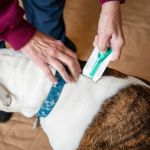
If your pet’s dry skin is caused by fleas or parasites, using flea preventatives and treatments is essential. Topical treatments, oral medications, or flea collars can help eliminate the pests that cause itching and irritation. Be consistent with your flea prevention to avoid re-infestations.
4.5 Veterinary Care for Severe Cases
In severe cases, or if the skin condition doesn’t improve with over-the-counter treatments, it’s important to consult with your vet. They may recommend prescription creams, medicated baths, or other treatments to address underlying conditions such as infections or severe allergic reactions.
5. Preventive Measures to Keep Your Pet's Skin Healthy
5.1 Regular Grooming
Regular grooming is vital for maintaining healthy skin. Brushing your pet’s fur helps remove dead skin cells, distribute natural oils, and prevent matting. Grooming also gives you an opportunity to check for early signs of dry skin or other skin conditions.
5.2 Create a Moisture-Rich Environment
If you live in a dry climate or use heating systems that dry out the air, consider using a humidifier in your home. This can help maintain moisture levels in the air and prevent your pet’s skin from becoming overly dry. Keeping your pet’s living space comfortable can make a big difference in skin health.
5.3 Consistent Diet and Hydration
Ensuring your pet stays hydrated is another important factor in skin health. Always provide fresh water and maintain a balanced diet rich in vitamins, minerals, and fatty acids to support your pet's skin from the inside out. A well-hydrated pet is less likely to suffer from dry, flaky skin.
6. Real-Life Case Studies: Success Stories in Treating Skin Dryness
Many pet owners have successfully treated their pets’ dry and flaky skin by following a consistent skincare routine. One dog owner shares how their dog’s skin improved after switching to a moisturizing shampoo and adding omega-3 supplements to their diet. Another cat owner noticed significant improvement after switching to a hypoallergenic food and using flea preventatives regularly.
7. Recommended Products for Skin Dryness and Flakiness Treatment
At Brothers Pets, we offer a variety of products to help treat and prevent dry, flaky skin in pets. From hydrating shampoos to omega-3 supplements and flea control treatments, our store has everything you need to keep your pet’s skin healthy and moisturized. Visit us today to find the best products for your furry friend’s skincare needs.
8. Conclusion
Skin dryness and flakiness in pets can be uncomfortable and bothersome, but with the right care and treatment, it is manageable. By recognizing the signs early, using the right products, and following preventive measures, you can help your pet maintain healthy and hydrated skin. Don’t wait for the problem to worsen—take action today to ensure your pet’s skin remains soft, smooth, and itch-free.




 DuBois Veterinary Clinic4.0 (64 reviews)
 somethingFISHY4.0 (381 reviews)
 Fairview Veterinary Clinic4.0 (41 reviews)
 Wabash Veterinary Hospital4.0 (178 reviews)
 Rice Lake Animal Hospital4.0 (278 reviews)
 Upper Arlington Veterinary Hospital4.0 (1074 reviews)
 Beginner's Guide to Parasite Prevention for Your Pets
 Top 8 Tips for Pet Training That Actually Work
 Preventing Bladder Infections in Cats with Proper Diet: Tips for Pet Owners
 How to Handle Pet Emergencies: A Step-by-Step Guide
 How to Recognize and Treat Anemia in Pets
 How to Treat and Prevent Flea Infestations in Pets