
How to Keep Your Pet’s Ears Healthy and Free from Infection
- Step 1 - Understanding the Importance of Ear Health for Your Pet
- Step 2 - Common Causes of Ear Infections in Pets
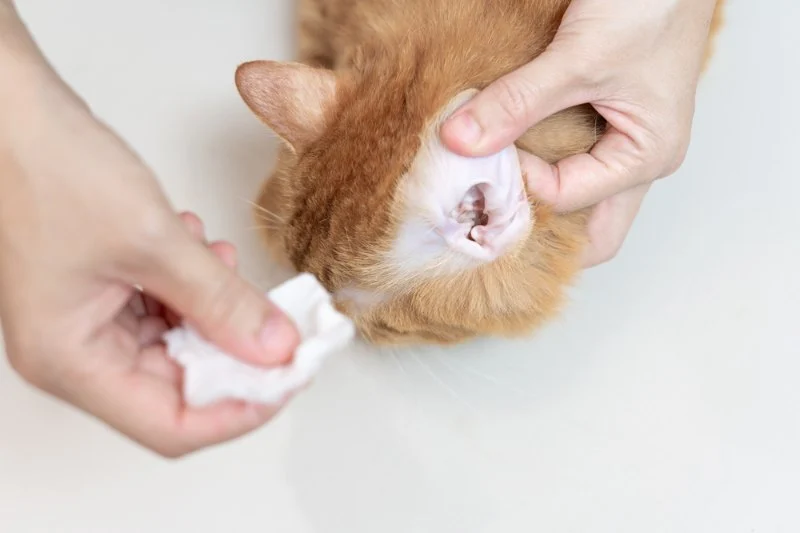
- Step 3 - How to Properly Clean Your Pet’s Ears
- Step 4 - Signs of Ear Infections in Pets
- Step 5 - Tips for Preventing Ear Infections
Step 1 - Understanding the Importance of Ear Health for Your Pet
Maintaining your pet’s ear health is crucial not only for their comfort but also for their overall well-being. Ears are delicate and susceptible to infections caused by bacteria, yeast, and allergies. Pets, especially dogs and cats with long ears or those that love swimming, can be more prone to ear problems.
By staying proactive in maintaining ear hygiene, you can help prevent infections, discomfort, and hearing issues. Regular ear care can also strengthen your bond with your pet, ensuring they remain healthy and happy.
Step 2 - Common Causes of Ear Infections in Pets
Ear infections in pets can occur due to several reasons. The most common causes include:
- Excess Moisture: Pets that enjoy swimming or live in humid environments may develop ear infections due to trapped moisture in their ears.
- Allergies: Environmental or food allergies can lead to ear problems by causing inflammation or increasing earwax production.
- Ear Mites: These tiny parasites can infest your pet’s ears, causing intense itching, discomfort, and potential infections.
- Foreign Objects: Grass, dirt, or other debris can get trapped in your pet’s ears, leading to irritation and infections.
- Overproduction of Wax: Some pets naturally produce more earwax, which can lead to blockages and infections if not regularly cleaned.
Identifying the underlying cause of ear issues can help in providing the appropriate treatment and prevention strategies.
Step 3 - How to Properly Clean Your Pet’s Ears
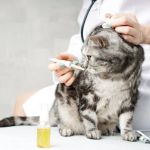
Regular ear cleaning is essential for maintaining ear health and preventing infections. Here’s how you can properly clean your pet’s ears:
- Choose the Right Cleaner: Use a veterinarian-approved ear cleaning solution. Avoid using harsh chemicals, alcohol, or hydrogen peroxide as they can cause irritation.
- Gentle Cleaning: Apply a small amount of the ear cleaner to a cotton ball or gauze pad, and gently wipe the inside of the ear. Avoid pushing anything into the ear canal as this can cause damage.
- Don’t Overclean: Overcleaning your pet’s ears can irritate the ear canal. Clean their ears only when necessary, typically once a week or as recommended by your vet.
- Dry the Ears: After cleaning, ensure your pet’s ears are dry. Moisture trapped in the ear can lead to infections, so use a dry cotton ball to gently remove any remaining liquid.
If your pet has a lot of earwax buildup, it’s best to consult your vet for advice on how often you should clean their ears and if any treatments are needed.
Step 4 - Signs of Ear Infections in Pets
It’s important to be able to recognize the signs of an ear infection in your pet. Some common symptoms to watch for include:
- Excessive Scratching: If your pet is constantly scratching or pawing at their ears, it may be a sign of irritation or infection.
- Discharge: Unusual discharge from the ear, whether it’s brown, yellow, or bloody, is a strong indicator of an infection.
- Odor: A foul smell coming from your pet’s ears is often a sign of bacteria or yeast buildup.
- Head Shaking: Frequent shaking of the head can be a sign that your pet is experiencing discomfort in their ears.
- Redness or Swelling: Infected ears may appear red, swollen, or inflamed, and your pet may seem sensitive to touch around the area.
If you notice any of these symptoms, it’s important to consult your veterinarian as soon as possible for diagnosis and treatment. Untreated ear infections can lead to chronic problems and even hearing loss.
Step 5 - Tips for Preventing Ear Infections
Preventing ear infections in your pet requires regular care and attention. Here are some tips to keep your pet’s ears healthy and infection-free:
- Keep Ears Dry: After swimming or bathing, always dry your pet’s ears thoroughly to prevent moisture buildup.
- Maintain Regular Cleaning: Clean your pet’s ears as needed, based on their breed and lifestyle, to keep them free of excess wax and debris.
- Manage Allergies: If your pet has allergies, work with your vet to manage them to prevent ear inflammation caused by allergens.
- Watch for Early Signs: Regularly check your pet’s ears for signs of irritation or infection, so you can address any issues early on.
By following these preventive measures, you can help keep your pet’s ears healthy and reduce the risk of infections.
If you need high-quality ear cleaning products or other pet care essentials, visit Brothers Pets for expert recommendations and top-rated products for your pet’s health.



 Davenport veterinary clinic4.0 (224 reviews)
 Four Seasons Veterinary Specialists4.0 (638 reviews)
 The Frenchie Connection Plus0.0 (0 reviews)
 King Veterinary Clinic4.0 (400 reviews)
 Richmond Veterinary Clinic, Inc.4.0 (69 reviews)
 VIP Petcare Vaccination Clinic0.0 (0 reviews)
 Preparing Your Pet for a New Baby: A Complete Guide for U.S. Families
 Tips for Preventing Hairballs in Long-Haired Cats: Grooming, Diet, and Care
 How to Spot and Treat Stress-Related Symptoms in Pets
 How to Spot and Treat Thyroid Problems in Cats and Dogs
 How to Spot and Treat Pet Anxiety and Stress
 The Importance of Regular Exercise for Your Pet – Healthy Habits with Brothers Pets