
- 1-Understanding-Essential-Oils-and-Pet-Safety
- 2-Which-Essential-Oils-Are-Safe-or-Unsafe-for-Pets
- 3-Proper-Dilution-and-Application-Methods
- 4-Signs-of-Essential-Oil-Toxicity-in-Pets
- 5-Best-Practices-for-Responsible-Pet-Aromatherapy
1. Understanding Essential Oils and Pet Safety
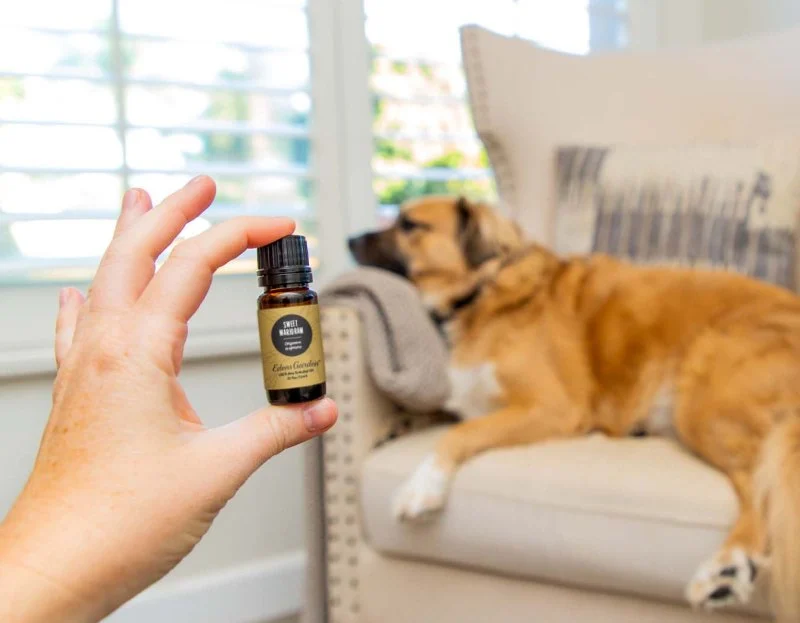
Essential oils have grown in popularity across the United States as part of natural wellness routines. From lavender diffusers to peppermint sprays, many households use plant-based oils for relaxation and home fragrance. But when pets are part of the family, safety must come first.
Learning how to safely use essential oils for pets is critical because animals metabolize substances differently than humans. Dogs and cats, in particular, have heightened senses of smell and more sensitive respiratory systems. Cats are especially vulnerable because their livers lack certain enzymes needed to break down specific compounds found in essential oils.
While some oils may offer calming or soothing effects when properly diluted and supervised, improper use can cause irritation, respiratory distress, or toxicity. Responsible pet owners should approach pet aromatherapy with careful research and professional guidance.
2. Which Essential Oils Are Safe or Unsafe for Pets
Not all essential oils are created equal when it comes to pet safety. Some are considered lower risk when heavily diluted, while others should be strictly avoided.
2.1 Oils That May Be Used with Caution
Lavender and chamomile are sometimes used in diluted forms for calming purposes in dogs. Even then, concentration matters significantly. Direct application without dilution can cause skin irritation.
2.2 Oils to Avoid Around Pets
Tea tree oil, eucalyptus, clove, cinnamon, and pennyroyal are commonly cited as high-risk oils. Even passive exposure through diffusers in poorly ventilated rooms can pose problems, especially for cats and small animals.
2.3 Species Differences Matter
Dogs and cats react differently to essential oils. For example, what may be tolerated in minimal diluted form by a dog could be dangerous for a cat. Birds and small mammals are even more sensitive due to delicate respiratory systems.
A California pet owner once shared online that after diffusing a strong eucalyptus blend during cold season, her cat began coughing and acting lethargic. A veterinarian later explained that essential oil vapors can accumulate in enclosed spaces, affecting pets more quickly than humans realize.
3. Proper Dilution and Application Methods
Understanding dilution is one of the most important aspects of how to safely use essential oils for pets.
3.1 Always Dilute Heavily
If a veterinarian approves essential oil use, it must be diluted with a carrier oil such as coconut or almond oil. Concentrations for pets are far lower than those used for humans.
3.2 Avoid Direct Skin Application Without Guidance
Applying essential oils directly to a pet’s skin can cause burns or allergic reactions. Even diluted blends should only be used under professional advice.
3.3 Diffuse with Caution
If using a diffuser, ensure the room is well-ventilated and allow your pet to leave the area freely. Never confine a pet in a room filled with essential oil vapor.
Many veterinarians recommend avoiding essential oil ingestion entirely unless specifically prescribed by a licensed professional trained in veterinary herbal medicine.
4. Signs of Essential Oil Toxicity in Pets
Recognizing early symptoms can prevent serious complications.
4.1 Respiratory Symptoms
Coughing, wheezing, difficulty breathing, or nasal discharge may indicate irritation from airborne oils.
4.2 Neurological Changes
Lethargy, tremors, unsteady walking, or unusual behavior can signal toxicity and require immediate veterinary care.
4.3 Skin Reactions
Redness, itching, drooling, or excessive pawing at the face may suggest contact irritation. Immediate washing with mild soap and water can help reduce further absorption while seeking professional help.
If you suspect exposure, contacting your veterinarian promptly is essential. Early treatment greatly improves outcomes.
5. Best Practices for Responsible Pet Aromatherapy
When it comes to essential oils and pets, less is more. Safety should always outweigh trends.
5.1 Consult a Veterinarian First
Before introducing any essential oil into your home routine, speak with a veterinarian familiar with pet aromatherapy safety tips. They can advise based on your pet’s species, age, and health history.
5.2 Choose Pet-Specific Products
Some companies formulate products specifically for animals with safe dilution levels. Reliable sources like Brothers Pets can help guide pet owners toward products designed with animal safety in mind.
5.3 Monitor Your Pet Closely
Even after careful preparation, observe your pet for any unusual behavior. Immediate discontinuation at the first sign of discomfort is critical.
Essential oils may offer certain benefits when handled responsibly, but they are never risk-free. By understanding how to safely use essential oils for pets, consulting professionals, and prioritizing proper dilution and ventilation, you can protect your furry companions while maintaining a safe home environment.

 Banfield Pet Hospital4.0 (210 reviews)
 Harts Run Veterinary Hospital4.0 (124 reviews)
 Just Cats Clinic4.0 (401 reviews)
 Neptunes Aquarium Store4.0 (484 reviews)
 Monson Animal Clinic4.0 (125 reviews)
 Hometown Veterinary4.0 (61 reviews)
 How to Spot and Treat Stress-Related Symptoms in Pets
 How to Spot and Treat Common Digestive Problems in Pets
 Is Your Seasonal Pet Care on Track? | Year-Round Wellness Tips for Pets
 How to Prevent Joint Pain and Arthritis in Older Pets
 How to Keep Your Pet’s Ears Healthy and Free from Infection
 Traveling with Pets: Keeping Dogs and Cats Comfortable and Healthy