
- 1 - Understanding Your Pet’s Needs
- 2 - Types of Pet Toys for Different Health Benefits
- 3 - Mental Health Benefits of Pet Toys
- 4 - Physical Health Benefits of Pet Toys
- 5 - Choosing the Right Toy Based on Your Pet’s Preferences
- 6 - Real-Life Cases: How Toys Helped Pets Thrive
1. Understanding Your Pet’s Needs
Before selecting the best pet toys for your furry friend, it's important to understand the specific needs of your pet. Not all pets are alike, and their needs for mental and physical stimulation can vary widely based on age, breed, and personality. For instance, a puppy may require toys that help with teething and mental development, while an older dog might prefer toys that stimulate their senses and keep them active without overexerting them.
2. Types of Pet Toys for Different Health Benefits
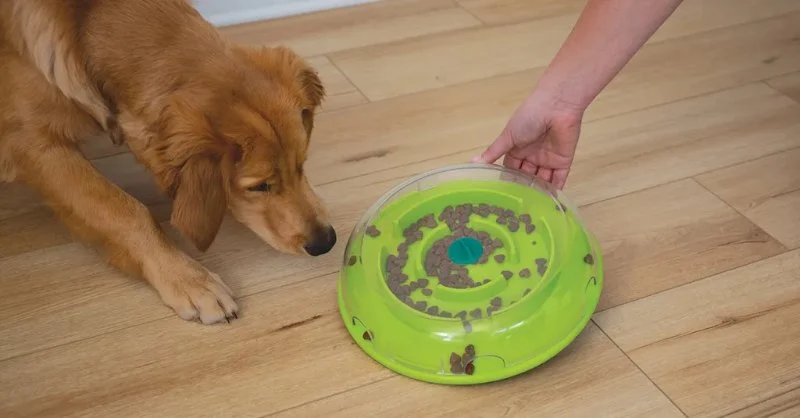
There are several types of toys available for pets that offer various mental and physical benefits. These can range from chew toys for dental health to interactive toys for cognitive stimulation. Common types include:
- Interactive Toys: Designed to keep your pet engaged and mentally challenged.
- Chew Toys: Great for dental health and alleviating stress.
- Fetch Toys: Perfect for physical activity and bonding with your pet.
- Puzzle Toys: These toys enhance your pet's problem-solving abilities and cognitive skills.
3. Mental Health Benefits of Pet Toys
Pets need mental stimulation to stay healthy, just as much as they need physical exercise. Toys that promote problem-solving, like puzzle toys or treat-dispensing toys, can help prevent boredom and reduce anxiety. Engaging in regular play can also alleviate stress, enhance learning, and provide emotional enrichment.
4. Physical Health Benefits of Pet Toys
Physical activity is essential for your pet’s health. Toys that encourage active play, such as fetch toys or tug-of-war ropes, help pets maintain a healthy weight and muscle tone. Active play also contributes to cardiovascular health and strengthens joints, making it a key part of their overall well-being.
5. Choosing the Right Toy Based on Your Pet’s Preferences
Every pet has its preferences when it comes to play. Some dogs love tugging and fetching, while others may enjoy chew toys or puzzle games. Observe your pet’s behavior to identify which toys they gravitate towards. For example, dogs with high energy levels may enjoy chase toys, while calmer pets might prefer soft, comforting toys. Cats, on the other hand, tend to enjoy toys that mimic prey behavior, such as feathers or laser pointers.
6. Real-Life Cases: How Toys Helped Pets Thrive
Many pet owners have experienced firsthand how choosing the right toys can make a significant difference in their pets’ health. For example, a dog named Max was once plagued with anxiety when left alone, but after introducing puzzle toys, Max became more relaxed and less destructive. Similarly, Bella, a senior dog, gained energy and mobility through regular play with her favorite fetch ball. These real-life cases showcase the incredible benefits that well-chosen toys can have on a pet’s overall health.






 Family Pet Health Center4.0 (481 reviews)
 Good Neighbor Vet4.0 (59 reviews)
 Osage Veterinary Clinic PC4.0 (211 reviews)
 Twinsburg Veterinary Hospital & Pet Lodge4.0 (88 reviews)
 Pittsford Animal Hospital (of Pittsford)4.0 (700 reviews)
 Banfield Pet Hospital4.0 (68 reviews)
 Parasite Prevention: What Vets Want You to Know for Your Pet's Health
 Avoid These Common Pet Safety Mistakes and Keep Your Pet Protected
 The Dos and Don'ts of Pet Behavior: A Practical Guide for Pet Owners
 How to Recognize and Treat Pet Allergies
 The Importance of Regular Parasite Prevention for Your Pets
 How to Help Your Pet Cope with the Loss of a Loved One | Brothers Pets