
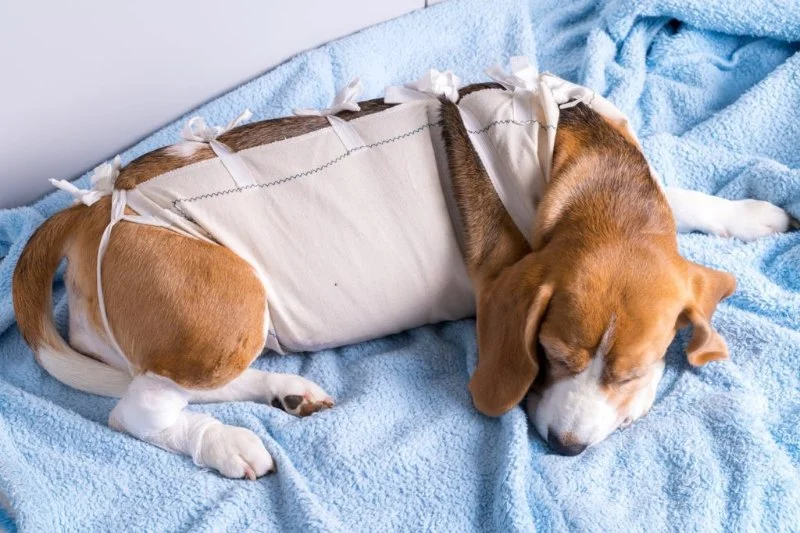
- 1. Preparing for Your Pet’s Recovery
- 2. Monitoring Your Pet’s Health After Surgery
- 3. Creating a Comfortable Recovery Space for Your Pet
- 4. Nourishing Your Pet During Recovery
- 5. When to Seek Veterinary Help for Your Pet
1. Preparing for Your Pet’s Recovery
When your pet undergoes surgery, the recovery process is crucial to their healing. Whether it’s a routine procedure or something more involved, it’s important to prepare ahead of time to ensure a smooth recovery. The first step is to discuss the recovery process with your veterinarian. They can provide specific instructions based on your pet’s health, type of surgery, and individual needs.
Preparation includes setting up a safe, quiet space where your pet can rest undisturbed, stocking up on any necessary medications, and ensuring that you have the right tools to help with post-surgery care. Understanding what to expect during your pet’s recovery can help you stay proactive and provide the best care possible during this critical time.
2. Monitoring Your Pet’s Health After Surgery
After surgery, it’s essential to closely monitor your pet’s health to detect any signs of complications. Watch for changes in their behavior, appetite, and energy levels. Some common things to look out for include:
- Changes in appetite: A lack of interest in food or water could indicate discomfort or complications.
- Signs of infection: Redness, swelling, or discharge from the surgical site may suggest an infection.
- Pain or distress: If your pet seems unusually lethargic or is showing signs of pain (e.g., whining, limping, or aggression), it may require pain management from your vet.
- Vomiting or diarrhea: These can sometimes be side effects of anesthesia or medications, but they should still be monitored closely.
Keep your vet informed of any concerning symptoms, and always follow their guidance on how to handle these situations. In many cases, prompt intervention can prevent more serious issues from developing.
3. Creating a Comfortable Recovery Space for Your Pet
Creating a comfortable and safe environment for your pet is key to their recovery. Consider the following when setting up their recovery space:
- Quiet, low-traffic area: Place your pet in a quiet room where they won’t be disturbed by loud noises or children. A calm environment promotes healing and reduces stress.
- Comfortable bedding: Provide a soft, clean bed where your pet can rest. Ensure they are comfortable and have enough space to move around as needed without straining themselves.
- Easy access to food and water: Make sure that food and water are within easy reach, so your pet doesn’t have to move too much to stay hydrated and nourished.
- Limit movement: Depending on the surgery, your veterinarian may recommend restricting your pet’s movement. Use barriers or crates if necessary to prevent excessive jumping or running.
Ensuring that your pet has a quiet, comfortable space will help them heal faster and with less stress.
4. Nourishing Your Pet During Recovery
Proper nutrition plays a significant role in your pet’s recovery process. After surgery, pets may experience a decrease in appetite due to pain or anesthesia. It’s important to encourage them to eat and drink to aid their recovery. Here are some tips for nourishing your pet:
- Offer soft, easily digestible food: If your pet is reluctant to eat their regular food, consider offering softer, more palatable food options such as boiled chicken or a prescription recovery diet recommended by your vet.
- Monitor hydration: Dehydration can slow down recovery, so ensure your pet is drinking enough water. If they’re refusing water, try offering ice cubes or water through a syringe (as directed by your vet).
- Follow the vet’s instructions: If your vet has prescribed any supplements, probiotics, or special foods to aid recovery, make sure you follow their instructions carefully.
Proper nutrition and hydration are key to a successful recovery, so always keep an eye on your pet’s intake and report any concerns to your vet.
5. When to Seek Veterinary Help for Your Pet
While you can provide excellent at-home care, there may be times when professional veterinary help is required during your pet’s recovery. Some situations where you should seek immediate veterinary care include:
- Uncontrolled pain: If your pet is in severe pain and over-the-counter pain relief isn’t enough, your vet may need to adjust their pain management plan.
- Signs of infection: If you notice swelling, redness, or pus coming from the surgical site, seek veterinary attention to prevent the infection from spreading.
- Failure to eat or drink: If your pet refuses to eat or drink for more than 24 hours, they may need an IV drip or additional support to stay hydrated and nourished.
- Behavioral changes: Sudden behavioral changes, such as aggression, excessive lethargy, or confusion, could be signs of complications and should be addressed by a professional.
It’s always better to err on the side of caution when it comes to your pet’s health. If you’re ever unsure, contact your vet for advice or to schedule an appointment.
If you’re looking for high-quality pet recovery products, expert advice, or professional services, visit Brothers Pets for trusted pet care solutions during your pet’s recovery.

 Pet Supermarket4.0 (286 reviews)
 PetVet Vaccination Clinic4.0 (2 reviews)
 Parrots for sale in USA0.0 (0 reviews)
 Hillsdale Animal Hospital4.0 (267 reviews)
 Dove Creek Animal Hospital4.0 (212 reviews)
 Westside Animal Hospital3.0 (316 reviews)
 Understanding the Importance of Year-Round Heartworm Prevention | Brothers Pets
 Preparing Your Pet for a New Baby: A Complete Guide for U.S. Families
 How to Clean Your Cat’s Ears Safely at Home: A Step-by-Step Guide
 How to Care for Your Pet’s Joints and Mobility as They Age
 How to Help Pets Cope with Separation Anxiety | Tips for Pet Owners
 How to Choose the Right Vet for Your Pet's Specific Needs