
How to Manage Your Pet’s Anxiety at Home: Techniques and Tips
- 1. Understanding Pet Anxiety
- 2. Common Causes of Anxiety in Pets
- 3. Signs Your Pet Is Anxious
- 4. Techniques to Calm Anxious Pets
- 5. Creating a Safe Environment at Home
- 6. How Brothers Pets Can Help
1. Understanding Pet Anxiety
Pets, especially dogs and cats, can experience anxiety much like humans. It’s a natural response to certain situations or stimuli, but when it becomes chronic, it can negatively affect your pet's health and well-being. Managing anxiety is crucial for your pet’s mental and physical health, as well as for maintaining a peaceful home environment.
What Is Pet Anxiety?
Pet anxiety refers to the feelings of fear, unease, or stress that a pet experiences in response to specific triggers, such as loud noises, separation from their owner, or unfamiliar environments. Left untreated, anxiety can manifest in various destructive behaviors or health issues, making it essential to recognize and manage it early on.
2. Common Causes of Anxiety in Pets
There are several reasons why your pet may experience anxiety. By identifying the cause, you can tailor the right approach to ease their stress.
1. Separation Anxiety
Many pets, especially dogs, experience separation anxiety when their owners leave them alone. This can result in destructive behaviors like chewing furniture, excessive barking, or soiling indoors.
2. Fear of Loud Noises
Thunderstorms, fireworks, and even vacuum cleaners can trigger anxiety in pets. The loud noises create a stressful environment that can cause your pet to hide or exhibit nervous behavior.
3. Changes in Routine
Pets are creatures of habit, and sudden changes to their environment or daily routine can lead to anxiety. Moving to a new home, adding a new family member, or even a change in the owner's schedule can cause stress in pets.
4. Health Issues
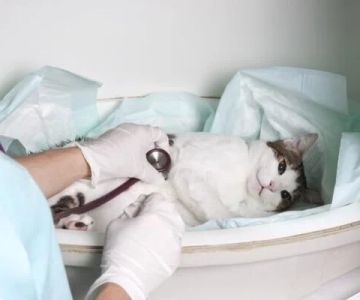
Physical health problems can sometimes manifest as anxiety. If your pet is in pain or discomfort, they may become more anxious. It's important to rule out medical issues with a veterinarian if anxiety is a new behavior for your pet.
3. Signs Your Pet Is Anxious
Recognizing the signs of anxiety in pets is the first step to managing it effectively. The symptoms can vary depending on the type of anxiety and the pet’s personality, but common signs include:
1. Excessive Barking or Meowing
If your dog or cat barks or meows excessively, especially when left alone or in response to certain triggers, it could indicate anxiety.
2. Destructive Behavior
Chewing furniture, scratching doors, or other destructive behaviors can be a sign of anxiety, particularly in response to being left alone.
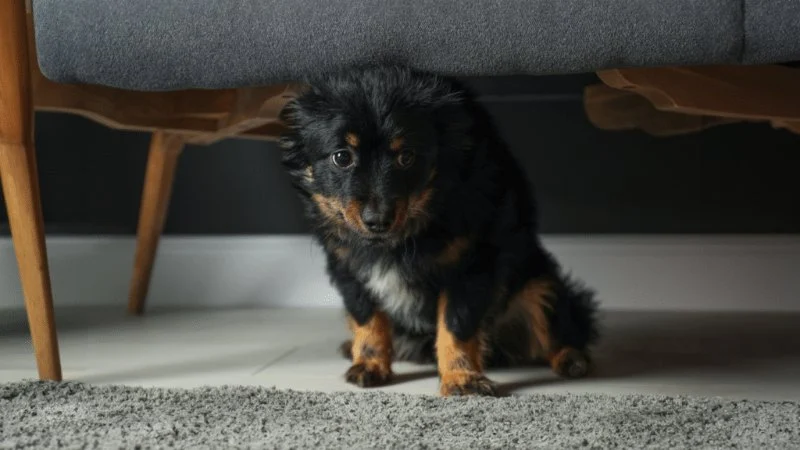
3. Hiding or Avoiding Contact
Pets experiencing anxiety may retreat to a quiet, secluded spot and avoid interaction with their family. This is often a coping mechanism to deal with their stress.
4. Changes in Eating Habits
Anxiety can affect your pet’s appetite. Some pets may eat excessively, while others may refuse food altogether when they are stressed.
4. Techniques to Calm Anxious Pets
There are many techniques you can use at home to help calm your pet’s anxiety. Here are some of the most effective methods:
1. Provide Comfort and Reassurance
Sometimes, simply offering your pet reassurance and comfort can help ease their anxiety. This may include cuddling, petting, or talking to them in a soothing voice. However, be mindful of not reinforcing anxious behavior with excessive attention.
2. Create a Safe Space
Designate a quiet, comfortable area where your pet can retreat to when they feel overwhelmed. A cozy bed, favorite blanket, or soft toys can make the space feel safe and secure.
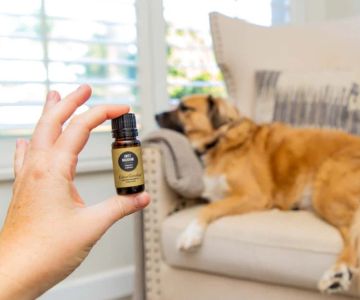
3. Use Calming Products
There are many calming products available, such as anxiety wraps, calming collars, and pheromone diffusers. These can provide your pet with the comfort and security they need during stressful situations.
4. Regular Exercise and Mental Stimulation
Regular exercise and mental stimulation can help reduce anxiety in pets. Activities like walks, playtime, or puzzle toys can keep your pet occupied and reduce excess energy that may contribute to anxiety.
5. Training and Positive Reinforcement
Training your pet to associate positive experiences with anxiety-inducing situations can help alleviate their fear. Positive reinforcement, such as treats or praise for calm behavior, can encourage your pet to feel more comfortable in stressful situations.
5. Creating a Safe Environment at Home
Creating a calm and safe environment for your pet at home is crucial in managing their anxiety. Here are some steps to help foster a peaceful space for your pet:
1. Set a Routine
Consistency is key when managing pet anxiety. Try to stick to a regular feeding and walking schedule to give your pet a sense of stability and predictability.
2. Minimize Stressful Stimuli
Reduce exposure to loud noises, sudden movements, or unfamiliar people that could trigger your pet's anxiety. A calm and quiet home environment will help your pet feel more secure.
3. Use Calming Music or Sounds
Playing calming music or white noise can help drown out external sounds that may stress your pet, such as traffic or thunderstorms.
6. How Brothers Pets Can Help
At Brothers Pets, we understand that managing your pet’s anxiety at home requires time, patience, and the right resources. We offer a variety of products designed to help calm anxious pets, from anxiety wraps and calming collars to soothing toys and treats. Our experts can provide advice and guidance on the best solutions for your pet’s specific needs, helping you create a more peaceful environment for both you and your furry friend.




 VCA Farmingville Animal Hospital4.0 (262 reviews)
 Pet Vet Battlewood4.0 (204 reviews)
 Dr. Kelli Rosen4.0 (6 reviews)
 Banfield Pet Hospital3.0 (327 reviews)
 Petco4.0 (1810 reviews)
 Bush Lake Pet Hospital4.0 (208 reviews)
 What Every Pet Owner Should Know About Pet Aging
 Common Skin Conditions in Dogs and Their Treatments – Practical Guide for Pet Owners
 The Ultimate Guide to Seasonal Pet Care for U.S. Pet Owners
 The Importance of Regular Vet Check-Ups for Preventive Care
 How to Recognize and Treat Heatstroke in Pets
 How to Choose the Best Dog Breed for Your Family’s Lifestyle