
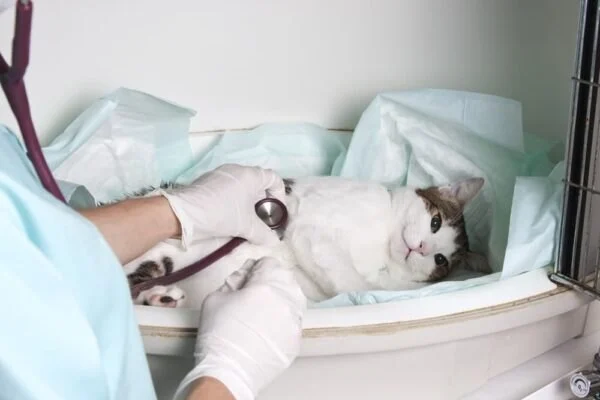
- 1- Understanding Pet Emergencies
- 2- Common Pet Emergencies and How to Respond
- 3- Quick Response Tips for Pet Emergencies
- 4- When to Seek Professional Help
- 5- Real-Life Experiences and Expert Advice
Understanding Pet Emergencies
Pet emergencies can happen unexpectedly, and it’s crucial to be prepared to handle any situation that may arise. Whether it’s a minor injury, an allergic reaction, or a more severe health issue, knowing what to do in the moment can save your pet’s life or prevent further harm. Pet emergencies can be distressing, but staying calm and responding quickly is essential.
Why Being Prepared is Essential
Pets rely on their owners for safety and care. During an emergency, the first few moments are critical. Having a solid understanding of how to respond and what tools to use can make all the difference in protecting your pet. Preparation is key—being familiar with basic first aid and knowing how to handle common pet emergencies ensures that you are ready to act when needed.
Common Pet Emergencies and How to Respond
There are various situations in which a pet may need urgent care. Understanding the most common pet emergencies will help you respond appropriately.
1. Choking
Choking is a serious emergency and requires immediate action. If your pet is choking, you may see signs like pawing at the mouth, difficulty breathing, or a blue tongue. If you can see the object blocking their airway, try to remove it using tweezers or your fingers. If the object is deeper, you may need to perform the Heimlich maneuver on your pet.
2. Poisoning
Poisoning can occur if pets ingest toxic substances, such as chocolate, household cleaners, or plants. Symptoms include vomiting, diarrhea, lethargy, or seizures. If you suspect poisoning, immediately contact a veterinarian or an emergency animal poison hotline for advice. Bring the packaging or a sample of the substance to the vet if possible.
3. Cuts and Wounds
Pets can get cuts or wounds from sharp objects, accidents, or fights with other animals. If your pet suffers a cut, clean the wound gently with water and apply pressure to stop the bleeding. For larger wounds, cover them with a clean cloth and get to the vet as soon as possible to prevent infection.
4. Allergic Reactions
If your pet experiences an allergic reaction (e.g., from a bee sting, food, or medication), symptoms may include swelling, hives, difficulty breathing, or vomiting. Mild reactions may be treated at home, but severe reactions require immediate veterinary attention to prevent shock or respiratory failure.
Quick Response Tips for Pet Emergencies
In any pet emergency, remaining calm and acting quickly is crucial. Here are some general tips to help you respond effectively:
1. Stay Calm
Pets can sense their owner’s anxiety, so it’s important to stay calm. Take a deep breath, assess the situation, and focus on the next steps. Panicking can hinder your ability to think clearly and make effective decisions.
2. Know Basic Pet First Aid
Having a basic understanding of pet first aid can be a lifesaver. Learn how to check your pet’s pulse, perform CPR, and bandage wounds. Having a pet first aid kit at home, stocked with essentials like gauze, bandages, antiseptic wipes, and tweezers, can also be helpful in a pinch.
3. Act Quickly but Carefully
In an emergency, every second counts. However, acting too quickly without thinking can sometimes cause more harm. For example, when performing the Heimlich maneuver, make sure your pet’s airway is fully cleared before moving on to other steps. Be efficient but gentle in your approach.
4. Keep Important Contact Numbers Handy
Always have the contact information for your vet, an emergency animal clinic, and an animal poison control hotline readily available. In an emergency, it’s easy to forget important numbers, so keep them in your phone or write them down in a visible location.
When to Seek Professional Help
While some minor pet emergencies can be handled at home, it’s important to know when professional help is required. If your pet is not responding to your actions, or if the situation seems dire, seek veterinary care immediately. Some emergencies, such as seizures, difficulty breathing, or major trauma, should never be handled without professional intervention.
When in Doubt, Call the Vet
If you’re unsure about the severity of the situation, it’s always better to err on the side of caution and contact a veterinarian. They can help guide you through the steps to take and may advise you to bring your pet in for immediate care.
Real-Life Experience and Advice for Choosing a Dental Clinic
Consider this real-life example of how quick action helped save a pet’s life: Emily, a dog owner, shared her story: "One evening, my dog accidentally ingested some chocolate I had left on the counter. I immediately noticed the signs of poisoning and contacted the emergency animal poison hotline. The advice they gave me was critical—I managed to get my dog to the vet in time, and she made a full recovery. Having the hotline number saved us both a lot of stress!"
This story highlights the importance of being prepared and knowing what to do in pet emergencies. Emily’s quick thinking, combined with the right resources, made all the difference in ensuring her pet’s safety.
If you want to be fully prepared for any pet emergency, consider checking out Brothers Pets for pet first aid kits, health products, and more. Being ready for anything ensures you’re always able to protect your pet when they need you most.




 Pet Club5.0 (91 reviews)
 PetVet Vaccination Clinic0.0 (0 reviews)
 Hoof and Horn Mobile Veterinary Services PLLC4.0 (18 reviews)
 Modern Animal Veterinary Care4.0 (22 reviews)
 Velocitypigeons racing pigeons for sale4.0 (10 reviews)
 Creation of the Sea, LLC4.0 (11 reviews)
 Tips for Teaching Puppies Basic Commands at Home
 How to Choose the Best Pet Groomer for Your Pet’s Needs
 Senior Dog Joint Health: Supplements, Gentle Exercises, and Home Care for Better Mobility
 Common Mistakes in Parasite Prevention and How to Avoid Them
 How to Introduce Your Dog to Other Pets Safely
 Recognizing Signs of Liver Problems in Dogs: What Every Pet Owner Should Know