
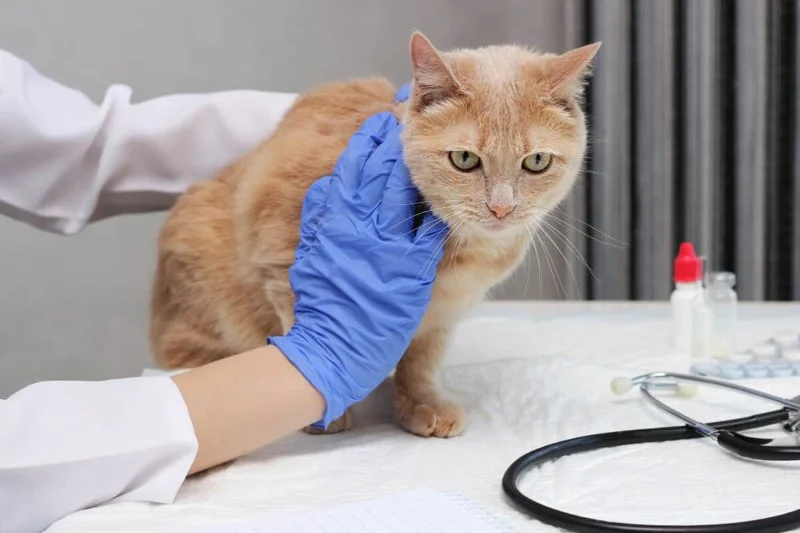
- 1-understanding-the-role-of-the-liver-in-pet-health
- 2-early-warning-signs-of-liver-disease
- 3-common-causes-of-liver-disease-in-pets
- 4-how-veterinarians-diagnose-liver-conditions
- 5-treatment-options-for-cats-and-dogs
- 6-a-real-life-story-of-pet-recovery
- 7-prevention-and-long-term-liver-care
1. Understanding the Role of the Liver in Pet Health
The liver is one of the most important organs in a pet’s body. It performs hundreds of functions that support digestion, detoxification, and nutrient storage. Because of its vital role, any disruption to liver function can quickly affect a pet’s overall health. Understanding how to spot and treat liver disease in cats and dogs helps pet owners act early and improve the chances of successful treatment.
In both cats and dogs, the liver processes toxins, produces essential proteins, and helps regulate metabolism. When the liver becomes damaged, these processes slow down or stop working properly. Fortunately, the liver has an impressive ability to regenerate if the condition is detected early and treated appropriately.
Recognizing subtle symptoms and seeking veterinary care promptly can make a significant difference in your pet’s recovery.
2. Early Warning Signs of Liver Disease
Liver disease can develop gradually, which is why early symptoms are sometimes overlooked. Pet owners should pay close attention to changes in behavior or physical condition.
1. Loss of Appetite
A noticeable reduction in appetite or refusal to eat is often one of the first signs of liver trouble.
2. Lethargy and Weakness
Pets with liver disease may appear tired, less active, or uninterested in normal activities.
3. Vomiting or Digestive Upset
Frequent vomiting, diarrhea, or stomach discomfort can occur when liver function becomes impaired.
4. Yellowing of Eyes or Gums
A yellow tint in the eyes, gums, or skin—known as jaundice—is one of the most recognizable indicators of liver problems.
3. Common Causes of Liver Disease in Pets
Several factors can contribute to liver disease in cats and dogs. Understanding these causes helps owners reduce risks whenever possible.
1. Toxic Substances
Certain household chemicals, medications, or toxic foods can damage the liver if ingested.
2. Infections
Bacterial or viral infections sometimes affect liver function and require medical treatment.
3. Genetic Conditions
Some breeds are predisposed to inherited liver disorders that require long-term monitoring.
4. Poor Diet or Obesity
Unbalanced diets and excessive weight gain may increase stress on the liver over time.
Many pet owners explore educational health resources through Brothers Pets, where information on nutrition, wellness products, and responsible pet care helps support healthier lives for animals.
4. How Veterinarians Diagnose Liver Conditions
Veterinarians rely on several diagnostic tools to determine whether a pet is experiencing liver disease.
1. Blood Tests
Blood chemistry panels help measure liver enzymes and identify abnormalities in liver function.
2. Ultrasound Imaging
Ultrasound scans allow veterinarians to evaluate the size, shape, and structure of the liver.
3. Biopsy Procedures
In certain cases, a small tissue sample may be taken for detailed laboratory analysis.
These diagnostic steps help determine the severity of the condition and guide treatment decisions.
5. Treatment Options for Cats and Dogs
Treatment for liver disease varies depending on the underlying cause and the stage of the condition.
1. Medication Therapy
Veterinarians may prescribe medications that support liver function, reduce inflammation, or treat infections.
2. Dietary Adjustments
Specialized veterinary diets designed for liver support often include easily digestible proteins and controlled nutrient levels.
3. Fluid Therapy
In more serious cases, intravenous fluids help stabilize hydration and support detoxification.
With early diagnosis and proper care, many pets can recover or manage liver conditions successfully.
6. A Real-Life Story of Pet Recovery
A dog owner named Melissa once noticed that her normally energetic beagle, Charlie, had become unusually tired and refused meals. Concerned, she scheduled a veterinary visit where blood tests revealed early-stage liver disease.
Charlie’s veterinarian recommended medication and a specialized diet. Within a few months, Charlie regained his appetite and energy. Melissa later shared that recognizing the early symptoms likely saved her dog from a much more serious condition.
This story highlights how attentive observation and prompt veterinary care can lead to positive outcomes.
7. Prevention and Long-Term Liver Care
While not all liver diseases can be prevented, several proactive steps help protect your pet’s liver health.
1. Provide Balanced Nutrition
High-quality diets designed for your pet’s age and activity level support healthy metabolism and organ function.
2. Avoid Toxic Foods and Chemicals
Common household items such as certain medications, cleaning products, and foods like grapes or onions can be harmful to pets.
3. Schedule Regular Veterinary Exams
Routine health checkups allow veterinarians to detect early warning signs before they develop into serious conditions.
Understanding how to spot and treat liver disease in cats and dogs allows pet owners to respond quickly when symptoms appear. With careful monitoring, professional veterinary guidance, and proper nutrition, many pets with liver conditions can continue living active and comfortable lives.





 Just For Pets Animal Hospital4.0 (16 reviews)
 Jordan Veterinary Clinic4.0 (173 reviews)
 Safe Smile Pet Dental5.0 (110 reviews)
 Rivers Veterinary4.0 (26 reviews)
 Vetco Vaccination Clinic2.0 (3 reviews)
 Vetco Vaccination Clinic5.0 (1 reviews)
 How to Choose the Right Pet Carrier for Safe Travel
 How to Prevent and Treat Urinary Tract Issues in Cats and Dogs
 Top 11 Tips Every Owner Should Know for Optimal Pet Health
 How to Train Your Pet to Be Comfortable Around Strangers
 Top 12 Tips for Pet Diseases Every Pet Parent Should Know
 How to Train Your Dog to Be Comfortable Around Strangers