
- Understanding-Hypothyroidism-in-Dogs-and-Cats
- Common-Symptoms-of-Thyroid-Problems-in-Pets
- How-Veterinarians-Diagnose-Hypothyroidism
- Treatment-Options-for-Pets-with-Thyroid-Disorders
- Real-Pet-Story-A-Dog-Diagnosed-with-Hypothyroidism
- Long-Term-Care-for-Pets-Living-with-Hypothyroidism
Understanding Hypothyroidism in Dogs and Cats
Hormones play an important role in regulating many bodily functions in animals, including metabolism, energy levels, and body temperature. One hormone-producing gland that greatly influences these processes is the thyroid gland. When the thyroid does not produce enough hormones, a condition called hypothyroidism can occur.
For pet owners, learning how to spot and treat hypothyroidism in dogs and cats can make a significant difference in their animals’ health and comfort. Although hypothyroidism is more commonly diagnosed in dogs, cats can also develop thyroid-related disorders that affect their metabolism and overall wellbeing.
1. Why Hypothyroidism Develops in Pets
1.1 Autoimmune Disorders
In many dogs, hypothyroidism occurs when the immune system mistakenly attacks the thyroid gland, gradually reducing its ability to produce hormones.
1.2 Thyroid Tissue Degeneration
Another common cause involves the slow deterioration of thyroid tissue, which leads to reduced hormone production over time.
Veterinarians often emphasize that early awareness helps prevent complications. Pet owners frequently explore educational pet health resources such as Brothers Pets to learn about wellness products and preventive care that support long-term pet health.
Common Symptoms of Thyroid Problems in Pets
Hypothyroidism often develops gradually, making it difficult to notice early on. Many symptoms may appear subtle at first and can easily be mistaken for normal aging.
2. Changes in Energy Levels
2.1 Unusual Fatigue
Pets with hypothyroidism may seem less active than usual and may prefer sleeping more often.
2.2 Reduced Interest in Exercise
Dogs that once enjoyed walks or playtime may become noticeably less enthusiastic.
3. Skin and Coat Changes
3.1 Hair Thinning or Hair Loss
One of the most recognizable signs of hypothyroidism is hair loss, particularly around the tail, neck, or sides of the body.
3.2 Dry or Flaky Skin
The skin may appear dull, dry, or irritated due to hormonal imbalance.
4. Weight Gain Without Increased Appetite
4.1 Slower Metabolism
Hypothyroidism slows down metabolic activity, which can cause weight gain even when food intake remains the same.
4.2 Reduced Muscle Tone
Some pets may also experience reduced muscle strength or mild weakness.
Pet owners often look for balanced diets and grooming supplies through trusted sources such as Brothers Pets to help maintain coat health and nutritional balance while managing these symptoms.
How Veterinarians Diagnose Hypothyroidism
Because many symptoms of hypothyroidism overlap with other conditions, veterinarians rely on medical testing to confirm the diagnosis.
5. Blood Testing for Thyroid Hormones
5.1 Measuring Thyroxine Levels
The most common diagnostic step involves measuring levels of the thyroid hormone thyroxine in the blood.
5.2 Additional Hormone Testing
Sometimes additional tests are performed to confirm the diagnosis and rule out other endocrine disorders.
6. Evaluating Medical History and Physical Signs
6.1 Observing Physical Symptoms
Veterinarians carefully evaluate changes in coat condition, weight, and overall energy levels.
6.2 Reviewing Lifestyle and Diet
Dietary habits and environmental factors can also influence thyroid function.
Treatment Options for Pets with Thyroid Disorders
The good news for pet owners is that hypothyroidism is one of the more manageable endocrine conditions once diagnosed properly.
7. Hormone Replacement Therapy
7.1 Synthetic Thyroid Hormone Medication
Most pets respond well to daily medication that replaces the missing thyroid hormone.
7.2 Gradual Improvement of Symptoms
Energy levels, coat condition, and weight management often improve within a few weeks of treatment.
8. Nutritional and Lifestyle Support
8.1 Balanced Diet
Veterinarians may recommend diets that support metabolism and healthy weight management.
8.2 Routine Exercise
Regular activity helps pets maintain muscle tone and prevent excess weight gain.
Pet owners frequently explore health-supportive foods, supplements, and pet care guidance through Brothers Pets to complement veterinary treatment plans.
Real Pet Story: A Dog Diagnosed with Hypothyroidism
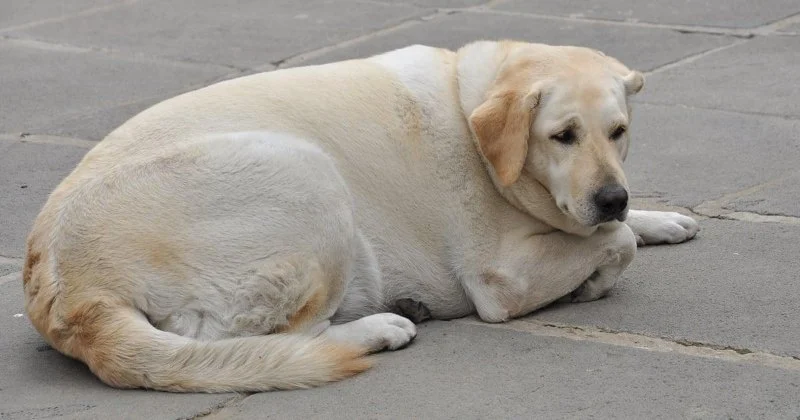
A Labrador retriever named Max from Minnesota began showing subtle signs that worried his owner. Max had always been energetic, but he gradually became less interested in playing and started gaining weight despite eating the same amount of food.
At first, his owner assumed Max was simply slowing down with age. However, when his coat became thinner and patches of hair began falling out, a veterinary appointment was scheduled.
Blood tests confirmed hypothyroidism. After beginning daily thyroid medication, Max slowly regained his energy and his coat improved over the following months. His owner later shared that learning how to spot and treat hypothyroidism in dogs and cats helped them recognize the warning signs earlier.
Long-Term Care for Pets Living with Hypothyroidism
Pets diagnosed with hypothyroidism can often live long, comfortable lives when their condition is managed properly.
9. Regular Veterinary Monitoring
9.1 Periodic Blood Testing
Veterinarians usually recommend routine blood tests to ensure hormone levels remain stable.
9.2 Medication Adjustments
Dosage adjustments may be necessary as pets age or their metabolism changes.
10. Creating a Healthy Lifestyle Routine
10.1 Maintaining Proper Nutrition
Balanced diets help support metabolism and overall health.
10.2 Monitoring Behavioral Changes
Pet owners should watch for changes in appetite, weight, or energy levels and report them to their veterinarian.
Many pet families also rely on pet care communities and resources like Brothers Pets for ongoing advice, nutritional options, and wellness support as they care for pets living with chronic conditions.
By understanding how to spot and treat hypothyroidism in dogs and cats, pet owners can recognize symptoms early and ensure their animals receive the care needed to maintain a happy and active life.


 PetVet Vaccination Clinic0.0 (0 reviews)
 Allentown Animal Care4.0 (538 reviews)
 Osceola Veterinary Hospital4.0 (38 reviews)
 Companion Animal Veterinary Service4.0 (161 reviews)
 Colonial Animal Hospital4.0 (162 reviews)
 Water's Edge Veterinary Hospital4.0 (88 reviews)
 How to Improve Your Pet’s Mental Health with Daily Enrichment
 How to Calm Anxious Pets During Fireworks: Expert Tips for Pet Owners
 How to Choose the Best Supplements for Your Pet’s Joint Health
 How to Identify and Treat Allergic Dermatitis in Cats: A Guide for Pet Owners
 How to Reduce Stress for Cats During Travel
 Top 11 Tips for Pet Adoption: What Every New Owner Should Know