
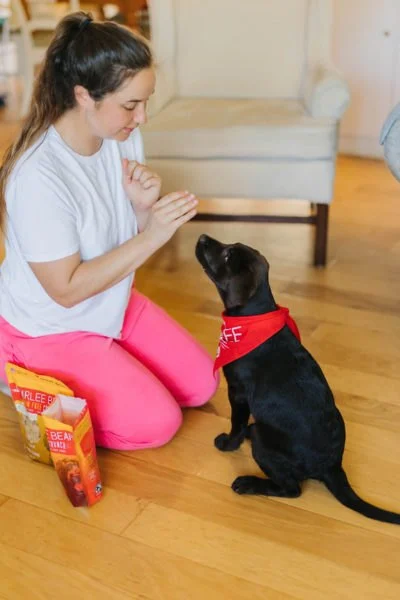
Tips for Teaching Puppies Basic Commands at Home
- 1 - Getting Started with Puppy Training
- 2 - Basic Commands to Teach Your Puppy
- 3 - Effective Training Tips and Techniques
- 4 - Common Mistakes to Avoid During Training
- 5 - Keeping Your Puppy Engaged During Training
- 6 - Real-Life Examples of Successful Puppy Training
- 7 - Conclusion and Where to Find Puppy Training Resources
1 - Getting Started with Puppy Training
Training your puppy is one of the most rewarding experiences of pet ownership, and it helps build a strong bond with your furry companion. However, teaching your puppy basic commands can sometimes be a challenging task for new pet owners. Understanding the fundamentals of puppy training is key to success. Start by creating a positive and structured environment for your puppy, as this will make learning fun and effective. Consistency is the most important aspect of puppy training, and it’s important to keep training sessions short and frequent.
2 - Basic Commands to Teach Your Puppy
Teaching your puppy basic commands is essential for their development and safety. These commands will help guide their behavior and set a foundation for more advanced training. Here are the top commands to start with:
2.1 Sit
“Sit” is often one of the first commands that puppies learn. It’s easy for them to understand and can help calm an excited puppy. To teach “sit,” hold a treat above your puppy’s nose and move it back towards their ears. This will naturally cause them to sit down. As soon as their bottom touches the floor, reward them with the treat and praise.
2.2 Stay
Once your puppy has mastered sitting, teaching “stay” will help them learn patience. Start by having your puppy sit, then open your hand in front of their face and say “stay.” Gradually increase the duration and distance of the command while rewarding them for staying in place.
2.3 Come
The “come” command is essential for recall and safety. Begin by saying “come” as you take a step back, and encourage your puppy to follow you. When they reach you, reward them with a treat and praise. Always use a happy, enthusiastic tone to make the experience fun for your puppy.
3 - Effective Training Tips and Techniques
To successfully teach your puppy basic commands, it’s important to use effective techniques. Here are some tips to help you along the way:
3.1 Use Positive Reinforcement
Positive reinforcement is the most effective training method. Always reward your puppy with treats, praise, or affection when they successfully follow a command. This reinforces the behavior you want to see.
3.2 Keep Sessions Short and Fun
Puppies have short attention spans, so keep training sessions brief—no more than 5 to 10 minutes at a time. Make the sessions fun and engaging, and finish each one on a positive note to keep your puppy excited about learning.
3.3 Be Consistent
Consistency is key when teaching your puppy commands. Use the same words, tone of voice, and hand signals every time to avoid confusing your puppy. The more consistent you are, the quicker they will learn.
4 - Common Mistakes to Avoid During Training
Training a puppy can be a rewarding experience, but there are some common mistakes that can slow down the process. Avoid these pitfalls to ensure a smoother training journey:
4.1 Inconsistent Commands
If you change the words or hand signals you use, your puppy may become confused. Stick to the same commands every time, and make sure everyone in the household is on the same page.
4.2 Lack of Patience
Training a puppy takes time, so don’t expect immediate results. Puppies are learning and developing their brains, so be patient and allow them time to understand the commands.
4.3 Punishing Instead of Rewarding
Never punish your puppy for not following a command. This can create fear and anxiety, which can lead to behavioral problems. Always reward positive behavior instead of focusing on mistakes.
5 - Keeping Your Puppy Engaged During Training
Training can be a fun and rewarding experience for both you and your puppy, but it’s important to keep them engaged and excited about the process. Here are some tips to maintain your puppy’s focus:
5.1 Vary the Training Activities
Change up the activities during training to keep things interesting. Try different locations, new toys, or challenges to keep your puppy mentally stimulated and eager to learn.
5.2 Use High-Value Treats
Not all treats are created equal. Use high-value treats, like small pieces of chicken or cheese, during training to keep your puppy motivated. These treats should be something they love and are excited to work for.
5.3 Incorporate Playtime
After a successful training session, reward your puppy with playtime. This will help them associate learning with fun and positive experiences.
6 - Real-Life Examples of Successful Puppy Training
Here are some real-life examples of successful puppy training:
6.1 Sarah’s Puppy “Max” Mastering Basic Commands
Sarah, a new puppy owner, was initially frustrated with her puppy, Max, not responding to basic commands. After following a consistent training schedule, using positive reinforcement, and practicing patience, Max was able to learn basic commands like “sit,” “stay,” and “come” within a few weeks.
6.2 John’s Success with Housebreaking and Commands
John adopted a rescue puppy who was initially hesitant to learn commands due to past trauma. Through gentle training, positive reinforcement, and daily practice, John was able to teach his puppy the basics and successfully housebreak him.
7 - Conclusion and Where to Find Puppy Training Resources
Teaching your puppy basic commands at home is an essential part of building a well-behaved companion. Remember, consistency, patience, and positive reinforcement are the keys to success. For expert advice and training resources, visit Brothers Pets, where you can find the best products and services for your puppy’s training needs.






 PetVet Vaccination Clinic5.0 (1 reviews)
 PAWS Spay/Neuter and Wellness Clinic4.0 (1701 reviews)
 San Diego Aquarium Cleaning0.0 (0 reviews)
 Clarksburg Veterinary Hospital4.0 (238 reviews)
 Berlin Animal Hospital4.0 (17 reviews)
 Mercy Animal Hospital4.0 (408 reviews)
 Expert Advice on Pet Behavior That Every Owner Should Know
 Prevent Overfeeding and Ensure Healthy Meals for Your Dog | Dog Feeding Tips
 The Ultimate Guide to Treating and Preventing Dog Diarrhea at Home
 Best Practices for Cleaning Your Dog’s Paws After Walks
 Is Your Seasonal Pet Care on Track? | Year-Round Wellness Tips for Pets
 How to Care for Your Pet's Reproductive Health: Essential Tips for Pet Owners