
- why-dog-dental-health-matters
- tools-and-products-for-effective-cleaning
- step-by-step-dog-dental-cleaning-at-home
- real-life-examples-of-successful-routines
- common-mistakes-to-avoid
- how-to-make-it-stress-free-for-your-dog
- when-to-seek-professional-help
- trusted-resources-and-recommendations
1. Why Dog Dental Health Matters
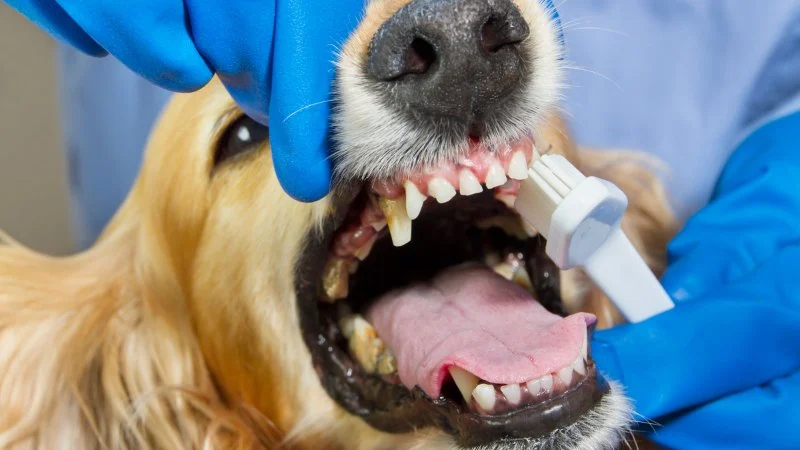
Many pet owners underestimate the importance of oral care. Poor dental hygiene can lead to plaque buildup, gum infections, and even heart disease in dogs. Studies have shown that over 70% of dogs develop periodontal disease by age three. Preventive care at home, including proper cleaning, can help avoid costly treatments and keep your furry friend healthy.
2. Tools and Products for Effective Cleaning
2.1 Choosing the Right Toothbrush
Specially designed dog toothbrushes, often angled and with softer bristles, are more effective and comfortable for pets. Finger brushes can be a great alternative for smaller breeds or puppies that are new to dental routines.
2.2 Safe Toothpaste for Dogs
Never use human toothpaste, as fluoride can be toxic to dogs. Instead, opt for veterinary-approved formulas, often flavored with chicken or peanut butter to make brushing more enjoyable.
3. Step-by-Step Dog Dental Cleaning at Home
3.1 Getting Your Dog Comfortable
Start by letting your dog sniff the toothbrush and taste the toothpaste. Gradually introduce brushing sessions to avoid stress or resistance. Building trust is key before attempting a full cleaning.
3.2 Brushing Technique
Hold the brush at a 45-degree angle to the gum line and gently scrub in small circular motions. Focus on the outer surfaces of the teeth where plaque is most likely to build up. Aim for at least two to three brushing sessions per week for best results.
4. Real-Life Examples of Successful Routines
A dog owner from Texas shared how her Labrador initially resisted dental cleaning. By introducing it with flavored toothpaste and rewarding the dog afterward, brushing soon became a bonding activity. This shows that with patience, even hesitant dogs can adapt to a dental care routine at home.
5. Common Mistakes to Avoid
Skipping regular cleaning and relying only on dental treats is a mistake many owners make. While chews can help reduce plaque, they are not a replacement for brushing. Another common error is brushing too aggressively, which can hurt the gums and make the dog fearful of future sessions.
6. How to Make It Stress-Free for Your Dog
Turn dental cleaning into a positive experience by pairing it with playtime or treats. Keep sessions short in the beginning, and gradually increase duration as your dog becomes more comfortable. Using a calm voice and rewarding good behavior reinforces the habit positively.
7. When to Seek Professional Help
If you notice persistent bad breath, bleeding gums, or difficulty eating, it may be time to seek professional veterinary dental care. These signs often indicate deeper issues that cannot be addressed through at-home cleaning alone.
8. Trusted Resources and Recommendations
Pet parents looking for reliable supplies can visit Brothers Pets, which offers veterinarian-approved toothbrushes, toothpastes, and dental chews. Having the right tools on hand makes maintaining your dog’s dental health at home both easier and more effective.




 Hartford Animal Clinic4.0 (397 reviews)
 Mt Holly-Bantam Small Animal4.0 (23 reviews)
 Lakewood Veterinary Center4.0 (222 reviews)
 UrgentVet4.0 (145 reviews)
 Aboite Animal Clinic & House Call Practice4.0 (391 reviews)
 PetVet Vaccination Clinic5.0 (1 reviews)
 How to Spot and Treat Canine Hip Dysplasia: A Comprehensive Guide
 How to Prevent and Treat Pet Allergies to Food and Environment
 How to Spot and Treat Kidney Disease in Pets
 Top 7 Expert Tips for Ensuring Pet Safety at Home and On the Go
 How to Support a Dog Recovering from Surgery: Tips for Pet Owners
 Expert Advice on Emergency Pet Care Every Owner Should Know