
- 1 - Understanding Eye Health in Pets
- 2 - Common Eye Problems in Pets
- 3 - How to Spot Eye Problems in Pets
- 4 - Treating Eye Issues in Pets
- 5 - When to See a Vet for Eye Problems
1. Understanding Eye Health in Pets
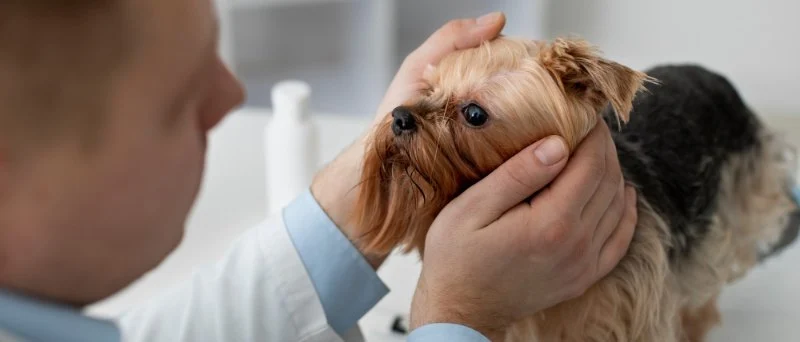
Eye health is just as important for pets as it is for humans, but pet owners often overlook the significance of maintaining their pet's eye health. The eyes are essential for your pet’s mobility and overall well-being, and problems can lead to discomfort, pain, or even blindness. Just like we check our eyes regularly, it's important to keep an eye on your pet's eyes as well. Understanding the basics of eye health can help you spot potential issues early and take appropriate action.
- Structure of the Eye: Pets have similar eye anatomy to humans, including the cornea, iris, retina, and lens. Understanding how these parts function helps in identifying any issues that may arise.
- Importance of Eye Health: Healthy eyes enable pets to engage with their surroundings, avoid dangers, and interact with their owners. Unaddressed eye problems can lead to a decrease in quality of life.
2. Common Eye Problems in Pets
There are various eye problems that pets can face, ranging from mild irritations to more serious conditions. Knowing the common eye issues will help you understand what your pet might be going through:
1. Conjunctivitis
Conjunctivitis, commonly known as "pink eye," occurs when the lining of the eye becomes inflamed. It can be caused by infections, allergies, or irritants.
2. Cataracts
Cataracts are cloudiness or opacity in the lens of the eye, often seen in older pets. They can lead to blindness if not addressed, though surgery is sometimes required to treat them.
3. Corneal Ulcers
A corneal ulcer is an open wound on the surface of the cornea, usually caused by trauma or infection. If left untreated, it can cause significant damage to the eye and lead to vision loss.
4. Dry Eye (Keratoconjunctivitis Sicca)
Dry eye occurs when pets cannot produce enough tears to keep their eyes lubricated. This condition can lead to inflammation, discomfort, and even permanent damage to the eye if untreated.
5. Glaucoma
Glaucoma is a painful condition caused by increased pressure inside the eye. It can lead to blindness if not treated promptly. Pets may show signs of discomfort or pawing at their eyes.
3. How to Spot Eye Problems in Pets
Spotting eye problems in pets early is crucial for treatment and recovery. Here are the common signs that may indicate an eye problem:
1. Redness or Swelling
If your pet's eyes are red or swollen, it could be a sign of infection or an allergic reaction. This is often seen in conjunctivitis or other inflammatory conditions.
2. Excessive Tearing or Discharge
Discharge or excessive tearing may indicate an underlying infection, injury, or blocked tear duct. Different types of discharge, such as yellow or green, can indicate infection.
3. Squinting or Pawing at the Eyes
If your pet is squinting or constantly pawing at their eyes, it could be a sign of pain, irritation, or an eye injury. You may also notice them avoiding bright light.
4. Cloudy or Bluish Eyes
Cloudy or bluish eyes could be a sign of cataracts or other eye diseases. If you notice this in your pet, it’s important to seek a vet’s opinion on the matter.
5. Behavioral Changes
Pets experiencing eye issues may exhibit behavioral changes like bumping into objects, becoming more cautious, or showing signs of fear or anxiety. Vision problems can make pets feel disoriented and unsure of their surroundings.
4. Treating Eye Issues in Pets
Treatment for eye problems in pets depends on the condition and its severity. Here are some common treatments for various eye issues:
1. Medications
For conditions like conjunctivitis, glaucoma, and corneal ulcers, your vet may prescribe eye drops or oral medications to reduce inflammation, fight infection, or control pressure inside the eye.
2. Surgery
For more serious conditions such as cataracts or severe corneal ulcers, surgery may be required. Surgical intervention can help restore vision and prevent further complications.
3. Home Remedies and Care
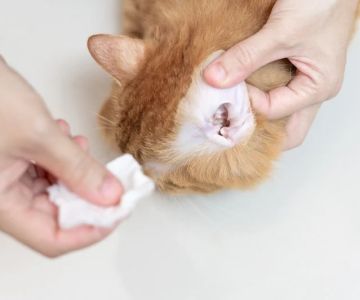
Some eye problems can be treated at home with regular cleaning, soothing eye washes, or moisturizing eye ointments. However, always consult your vet before administering any treatment on your own.
4. Regular Monitoring
Once treatment begins, regular follow-ups with the vet are essential to monitor your pet’s progress and make sure the condition is improving.
5. When to See a Vet for Eye Problems
If you notice any of the signs mentioned above or suspect your pet has an eye problem, it's important to consult a veterinarian immediately. Early detection and treatment are crucial to avoid permanent damage or vision loss.
In particular, if your pet exhibits severe symptoms such as excessive pain, noticeable changes in vision, or if the condition worsens despite initial treatment, don't hesitate to seek professional help.
At Brothers Pets, we offer a variety of pet care products that can assist in managing eye health. Be sure to check out our selection of eye care products to help protect and maintain your pet’s eye health.


 Pet Dental Clinic5.0 (69 reviews)
 Broadview Animal & Bird Hospital4.0 (512 reviews)
 Americana Animal Hospital4.0 (152 reviews)
 PetWow Home Veterinary Care4.0 (33 reviews)
 405 Vet Animal Hospital4.0 (632 reviews)
 Heartland Animal Hospital4.0 (238 reviews)
 The Benefits of Regular Vet Check-Ups for Your Pet's Longevity and Quality of Life
 How to Recognize and Treat Common Pet Diseases: A Complete Guide
 Understanding Pet Parasites: Prevention and Treatment
 Top 11 Tips for Pet Adoption: What Every New Owner Should Know
 Top 11 Tips Every Owner Should Know for Optimal Pet Health
 Understanding Pet Obesity: Causes, Risks, and Prevention