
How to Deal with Dog and Cat Hair Loss: Causes and Treatments
- 1. Understanding the Causes of Hair Loss in Dogs and Cats
- 2. Types of Hair Loss in Pets
- 3. Treatments for Dog and Cat Hair Loss
- 4. Natural Remedies to Promote Healthy Fur
- 5. Real-Life Case Study: How Diet Changed a Pet's Hair Health
1. Understanding the Causes of Hair Loss in Dogs and Cats
Hair loss in pets is a common issue that many dog and cat owners face. While shedding is a natural process for pets, excessive hair loss can indicate an underlying problem. There are many causes of hair loss in both dogs and cats, including medical conditions, poor diet, allergies, stress, and environmental factors.
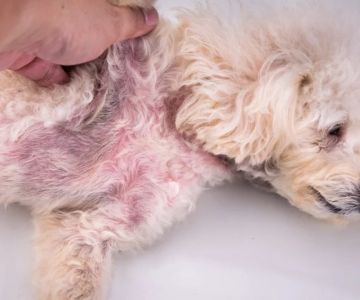
For dogs, common causes of hair loss include hormonal imbalances, flea infestations, skin infections, and allergies. Cats may experience hair loss due to similar reasons, such as fungal infections, parasites, or allergic reactions to food or grooming products. Identifying the root cause of hair loss is essential to determining the appropriate treatment.
2. Types of Hair Loss in Pets
There are several types of hair loss that pet owners should be aware of. Understanding the type of hair loss your pet is experiencing can help guide the treatment process:
Seasonal Shedding
Many pets shed more during certain seasons. Dogs and cats with double coats are particularly prone to seasonal shedding, where they lose fur to adjust to the changing weather. This type of shedding is natural and usually isn’t a cause for concern.
Alopecia (Bald Spots)
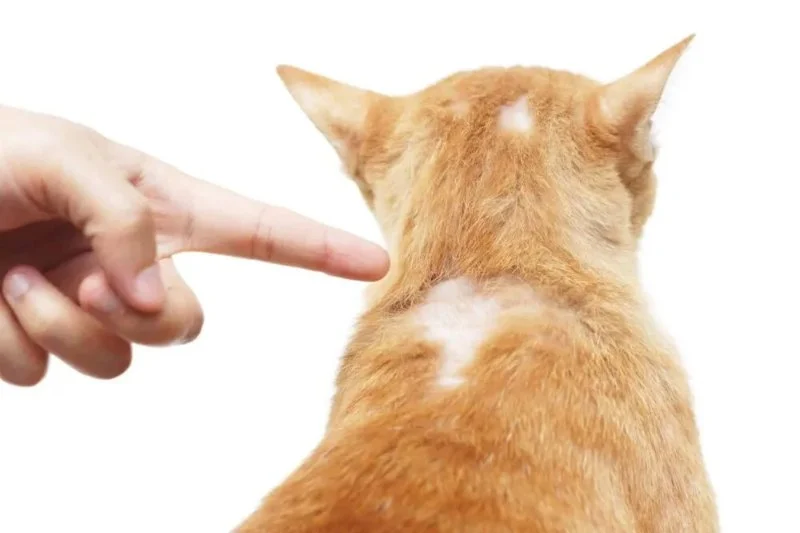
Alopecia refers to bald patches that may develop on a pet’s skin. This type of hair loss can be caused by infections, parasites, or hormonal changes. In some cases, alopecia may indicate a more serious health problem such as Cushing's disease or hypothyroidism.
Excessive Grooming
Some pets may excessively groom themselves, leading to hair loss in certain areas. This could be a result of anxiety, stress, or skin conditions like dermatitis. Overgrooming can cause fur to thin or fall out in patches.
3. Treatments for Dog and Cat Hair Loss
The treatment for hair loss in pets depends on the underlying cause. Here are some common treatments that can help address hair loss issues in dogs and cats:
Veterinary Diagnosis
Consulting with a veterinarian is crucial for diagnosing the cause of your pet’s hair loss. Your vet may conduct tests, including skin scrapings, blood tests, or allergy panels, to determine the cause. Once a diagnosis is made, the vet can recommend a tailored treatment plan.
Medication
In cases where hair loss is caused by infections, parasites, or allergies, your vet may prescribe medications such as antifungal creams, antibiotics, or corticosteroids. Flea treatments may also be necessary if your pet’s hair loss is due to a flea infestation.
Diet and Supplements
A poor diet can contribute to hair loss in pets. Ensuring your pet receives a balanced diet rich in vitamins, minerals, and omega fatty acids can help promote healthy fur growth. Supplements like biotin or omega-3 fatty acids can be beneficial for improving skin health and preventing shedding.
4. Natural Remedies to Promote Healthy Fur
If you're looking for natural remedies to help combat hair loss in your pets, here are a few tips that can promote healthy fur growth:
Omega-3 Fatty Acids
Omega-3 fatty acids, found in fish oil or flaxseed oil, are excellent for promoting healthy skin and fur. They can reduce inflammation and improve the overall condition of your pet’s coat.
Frequent Brushing
Brushing your pet’s fur regularly helps remove dead hair, prevent mats, and stimulates hair follicles, which can encourage new fur growth. For pets that shed a lot, regular brushing also reduces shedding and hair loss.
Stress Reduction
Pets that suffer from anxiety or stress may overgroom, leading to hair loss. Ensuring your pet has a comfortable and calming environment can help reduce stress levels. Consider using calming pheromone sprays or providing enrichment activities for your pet to help with relaxation.
5. Real-Life Case Study: How Diet Changed a Pet's Hair Health
Let’s take the example of Max, a Golden Retriever who suffered from hair loss and dry skin for months. His owner, Sarah, consulted with a veterinarian and learned that Max's diet lacked essential nutrients. After switching to a high-quality, omega-rich food and adding a supplement with biotin and omega-3s, Max’s coat improved drastically. Within a few months, his hair grew back fuller, and his skin became healthier.
This case study demonstrates how a proper diet can make a significant difference in your pet’s skin and coat health. At Brothers Pets, we offer a variety of premium pet foods and supplements that can help promote healthy fur and reduce shedding. Explore our products today to find the best options for your pet’s needs!

 VCA Southwest Freeway Animal Hospital4.0 (239 reviews)
 CWE Vet Hospital & Urgent Care4.0 (310 reviews)
 Animal MD Michelle Bahns DVM4.0 (289 reviews)
 Frank's Frag Farm4.0 (74 reviews)
 Drippy Pets2.0 (31 reviews)
 Gentle Doctor Animal Hospital4.0 (146 reviews)
 How to Identify and Treat Flea Bites on Cats – Effective Care Tips
 How to Spot and Treat Digestive Problems in Cats: A Guide for Pet Owners
 How to Reduce Stress for Cats During Travel
 How to Spot and Treat Allergies in Cats and Dogs: A Comprehensive Guide
 The Benefits of Regular Grooming for Your Pet's Health
 Human Foods That Are Surprisingly Safe for Dogs